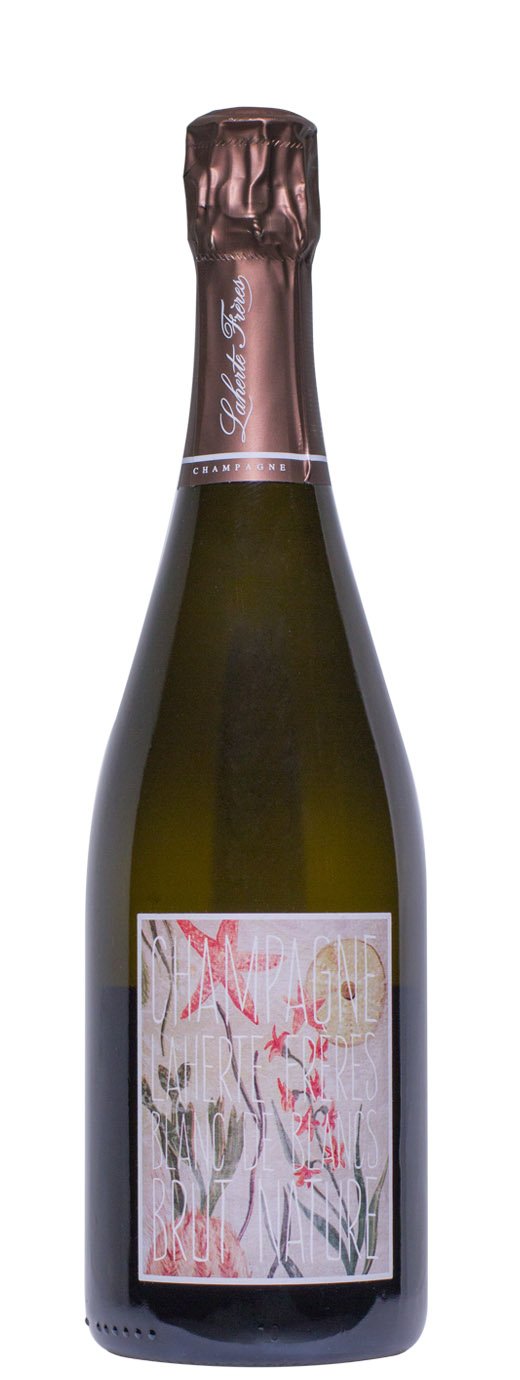
Laherte Frères Champagne Blanc de Blancs Brut Nature/$46-$60
The Laherte Freres offers tremendous value for Champagne
Several months ago, The Big Guy called and said, “We have many reasons to celebrate. I’ll bring the Champagne.”
Which turned out to be the Laherte Freres Champagne Blanc de Blancs Brut Nature ($50, purchased, 12.5%) – and which turned out to be a reason to celebrate all by itself. Given that even mediocre Champagne can cost this much, the Laherte Frères is an especial value,
It’s everything that Champagne – the sparkling wine from the Champagne region of France – should be, and especially for those of us who prefer a cleaner, more minerally style. One set of tasting notes calls the aroma “crushed chalk,” which seems to be a bit of stretch. Still, it makes the point about how mineral-driven the wine is.
The Lahere Freres is made entirely of chardonnay, so expect sort of lemon and green apple fruit, with the tight bubbles and almost creamy foam that’s the mark of quality sparkling wine. There isn’t much yeastiness, and it’s more dry than most sparkling wine (the Brut Nature vs. Brut designation). In this, the wine is incredibly complex and structured, and very young. One estimate gives it another 20 years in the bottle, and I wouldn’t argue with that at all.
Highly recommended, whether you’re celebrating an August birthday or want something for later in the year.
Smith-Madrone’s riesling is a top-notch New World take on a classic grape
Once more into the riesling breach, dear readers: And why not? I’ve probably tasted more reislings over the past 18 months than I have in the blog’s entire 14 year history. And I’ve rarely been disappointed. The Smith-Madrone, despite California’s lackluster track record with the grape, is just one more reason to sip and smile.
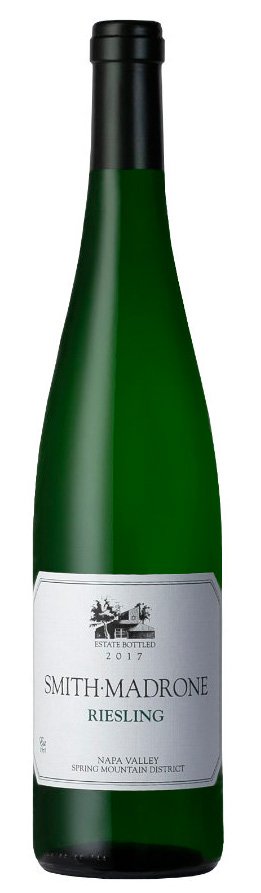
The Smith-Madrone riesling 2017 ($35, sample, 12.9%) combines New World-style fruitiness with the varietal characteristics that make great riesling so much fun to drink. In other words, not sweet for the sake of sweetness, and not some kind of fruity confection because, you know, that’s what Americans drink.
Look for lime zest, a bit of tingliness in the back, a hint of petrol, some sweetness floating around to remind you it’s riesling, just enough acidity to greet the sweetness, and stoniness in the finish. In fact, this is one of the few times where the wine geek descriptor “wet stone” almost makes sense.
Highly recommended – the kind of wine that people who don’t think they like riesling should try. Even the very tough crowd on CellarTracker (the blog’s unofficial wine inventory app) like this wine. And the usually only like high-end Napa wines.
The Justin Isosceles is a pricey California red blend that delivers quality and consistency
One of the many perks of this job is tasting the Justin Isosceles, a red blend from Paso Robles. It’s an example of California wine at its best, an effort that speaks to terroir, a certain winemaking style, and the idea that all California wine at this price doesn’t have to taste alike.
Because the Justin Isosceles isn’t cheap. The 2016 ($80, sample, 14.5%) costs about $10 more than the 2015, so it gives me a reason to be even more critical. Fortunately, the wine is as it always is – polished and enjoyable, combining a powerful Paso Robles style with technique and skill so that it’s fresh and approachable. In this, though, it doesn’t taste exactly the same every vintage, and the 2016 isn’t quite as big as the 2015.
Look for lots (and lots) of ripe berry fruit mixed with some green herbs and an almost menthol sort of thing. There’s a full mouth feel and soft tannins, but this isn’t an overripe, stuff it in your face whether you like it or not kind of wine. It’s not subtle, certainly, but you can take a couple of swallows without fanning yourself.
Just the wine for a Father’s Day gift or Father’s Day cookout – red meat, certainly, and something to to be enjoyed and savored with the meal.
The Pio Cesare Cortese di Gavi is a reminder that great wine doesn’t have to be ridiculously expensive
The last time I reviewed this wine it cost one-third less and was a wine of the week. Nevertheless, it was a value then and it remains a value today.
That’s because quality wines made by a top-notch producer may cost more than they used to. But they still deliver value when too many other wines cost more for no reason other than they should. The Pio Cesare Cortese di Gavi ($22, purchased, 13.5%) is firmly of the first category.
It’s an Italian white made with the less-known cortese grape. This vintage, though already three years old, could use a little more time in the bottle to come together. Still, it’s well worth drinking, and especially well worth buying for a Mother’s Day brunch next week.
Look for green herbs, barely ripe pear fruit, and even the kind of grassiness usually found in traditional California sauvignon blanc. Plus, it’s wonderfully flinty and almost savory in a way certain Italian white wines can be when they don’t try to be something other than Italian white wines.
Highly recommended. It’s the kind of wine the late Pia Boffa would have tasted with a wine writer and then expounded on, telling the writer why it’s the best example of its kind of wine possible.
It’s not cabernet sauvignon. It’s not from Bordeaux or California. And, as far as I can tell, it has never gotten 95 points from one of the wine magazines. It’s a red blend from Chile’s Colchagua Valley; this vintage has mostly carmenere, not an easy grape to work with, as well as cabernet franc, cabernet sauvignon, and a splash of syrah.
So, with that as the caveat for those of you who are looking for a more polished and Winestream-y sort of wine, this is an amazing effort – young and still a little rough around the edges, but something that will show depth and power as it ages. That the carmenere – which can turn any wine green and unpleasantly herbaceous – doesn’t get in the way speaks volumes about its quality.
Look for just-picked red fruit (berries more than cherries), a surprising freshness given this is as old as it is, and a long, almost woodsy finish. Highly recommended — just the kind of wine to give someone as a gift who wants to try something different.
“OK, now before we decide if we like this wine, let me check and see how much it costs.”
New study finds “Pleasantness of the budget wine increased when presented with a fake higher price”
The Wine Curmudgeon is regularly asked why he doesn’t like expensive wine. That the question is always framed that way speaks to the snobbery and elitism inherent in wine. Because, of course, expensive wine is the only wine worth drinking.
But I don’t dislike expensive wine. What makes me crazy is wine that’s expensive for the sake of being expensive — that costs more to cost more, and not because it’s better or worth the money.
For which there is one more piece of evidence, a study to be published later this year in an academic journal called “Food Quality and Preference.” The result? Expensive wine tastes better, even when it’s cheap wine given a fake, higher price.
Ain’t wine marketing grand?
“Was I surprised at all the attention? Well, a bit… but then again, no,” says Jens Gaab, a professor in clinical psychology and psychotherapy at the University of Basel in Switzerland, who co-authored the study. Their work has made the rounds of the wine, popular science, and mainstream media in the past couple of weeks, with the usual sort of headlines: “Yep, Cheap Wine Really Does Taste Better if You Increase The Price Tag.”
In the study, 140 people tasted three different low-, mid- and high-priced wines. Pricing didn’t seem to affect what the study called intensity of taste; it reflected retail prices, with costlier wines doing better. But if they thought the cheaper wine cost more, the tasters rated it more highly in what the study called pleasantness.
This was not the case if they knew the price or were not given price information; perhaps more importantly, “deceptive down-pricing of high-price wine had no effect on pleasantness ratings.” In other words, “cheaper” wines didn’t do better, even if they weren’t cheap. Talk about price being stitched on our frontal lobes as a decider of wine quality.
Which should not be surprising. We assume price is some sort of Holy Grail of wine quality, but as Paul Tincknell, the newsletter’s official wine marketing guru, points out, wine doesn’t work that way. (And, actually, he says, almost nothing does – we just assume wine is different.)
“The pricing study is the same exercise as when the same wine is poured from bottles with different labels,” Paul says. “A taster would probably rank an $8 cabernet sauvignon lower than the same $8 wine if it was poured from a $50 cabernet bottle. They might be disappointed by the ‘expensive’ wine, but would still rank it higher.”
So, once again, it’s not price that matters – it’s the perception of quality that comes with price. So drink the wine, decide what it’s worth, and go from there. Don’t let price fool you.
The Eden Rift Estate pinot noir is traditional in style and more than enjoyable
Pinot noir may be the most controversial subject among wine geeks today. Should it taste like pinot noir – earthy and spicy, with more reserved fruit, or is it OK to taste like a fruity red blend (and even sweet)?
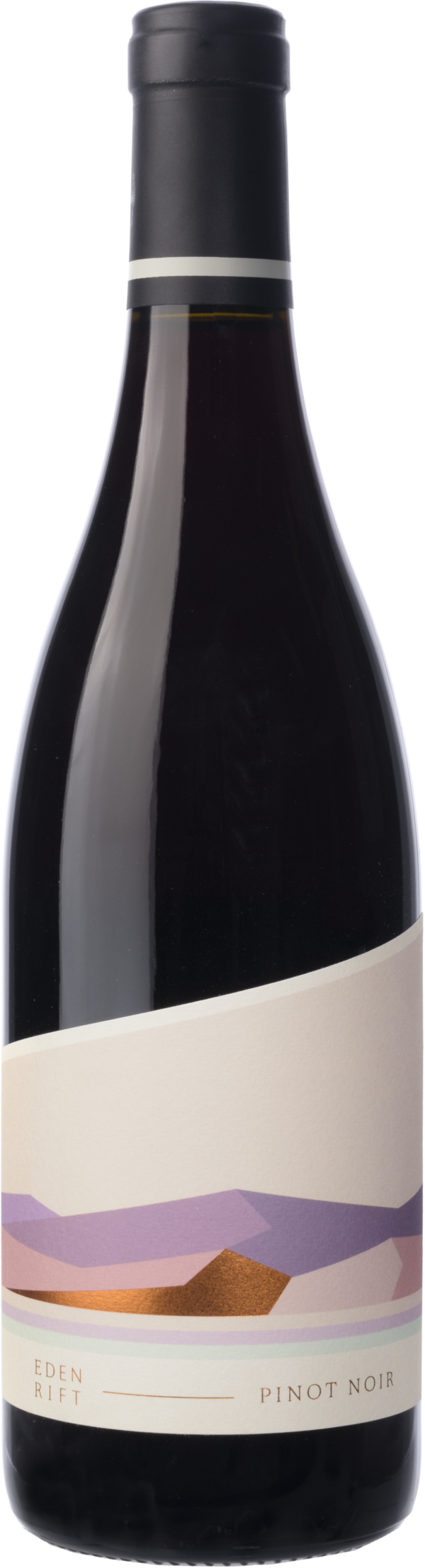
Regular visitors will know where the Wine Curmudgeon stands in this debate, and the Eden Rift Estate pinot noir is a marvelous example of what traditional pinot noir should – and can – taste like.
Even more surprising: The Eden Rift ($48, sample, 13.8%) is a California wine, from the less well known Cienega Valley, a couple of hours south of San Francisco. California, of course, invented the second style of pinot noir.
In this, there is much to appreciate about the Eden Rift. Look for a little earth – just enough to let you know it’s pinot noir, but not to make you think it’s from Burgundy. Plus, there’s dark, tart fruit (cranberry? blackberry?), some pepper, and more than a little minerality on the finish. The tnnins are tucked nicely in the background, just as they should be for pinot noir.
Highly recommended. Yes, $48 is a lot to pay, but given the middling quality of so many pinot noirs in this price range, it’s a decent value.











 The Eden Rift Estate pinot noir is traditional in style and more than enjoyable