Category:Wine reviews

Wine of the week: The Curator Red 2021

The Curator Red bottle
The Curator Red 2021/$10-$16

There’s a reason why so many South African wines keep showing up on the blog

In the blog’s first decade, it was rare to see a South African wine. Maybe a sauvignon blanc every once in a while, but that was about it. These days, though, they show up all the time.

So what changed?

Quality and value both improved, as The Curator Red ($13, sample, 14%) demonstrates.

This South African red blend isn’t quite as well done as previous vintages – there are some rough edges, though they may go away in time. But it’s still another professional, fairly-priced wine that tastes like wine. And we know how difficult those are to find these days.

The blend is mostly cabernet sauvignon and shiraz (about one-third each), which explains why it tastes the way it does — some spice, some dark fruit, and more tannins than I expected. But it’s not heavy or hot, and it won’t overwhelm dinner.

Pair this with end of summer barbecues or even a smoked pork shoulder (or, for those without a smoker, a slow cooker). If it’s not quite Hall of Fame worthy (as the white blend is), it’s still a fine cheap wine.

Imported by Broadbent Selections

Expensive wine 171: William Fevre Champs Royaux Chablis 2020

William Fevre Champs Royaux Chablis bottle
William Fevre Champs Royaux Chablis 2020/$25-$40

Another fine vintage of this Chablis from a top-notch producer

Chablis is one of the few places left to find value in white Burgundy, France’s high-end version of chardonnay. Value, of course, is relative in this case, since very ordinary white Burgundy that’s not especially high-end can cost $40.

Which is where the William Fevre Champs Royaux Chablis 2020 ($28, purchased, 12.5%) comes in. William Fevre is a top producer, and its wines have appeared on the blog a couple of times. They were also among the Big Guy’s favorites; several of us drank this in his honor a couple of weeks ago.

The Champs Royaux is richer than many Chablis, which is most often a lean, more crisp approach to chardonnay. That’s because the Royaux gets a tiny hint of oak – not enough so the wine is oaky, but enough to notice that it’s a bit different. But the lemon and apple fruit is subdued, and it’s still a mineral driven wine, as Chablis should be (what the wine geeks call wet stone). Let this age a bit, and it should get a little leaner.

Highly recommended, and something to think about when it’s time for late summer entertaining. The Big Guy would have asked me to roast a chicken to pair with it, and that’s always a fine idea with this wine.

Imported by Maison & Domaines Henriot America

Wine of the week: Goats do Roam White 2022

Goats do Roam White bottle
Wine of the week: Goats do Roam White 2022/$8-$16

South African quality shows again – and no, that’s not a typo

A friend was reminiscing the other day about “critter wines” – the glut of simple, cheap (and some not so cheap) wines with cutesy animals on the label that were inspired by Yellow Tail and that dominated store shelves in the early 2000s. “I hope,” he said, “that they never come back.”

Which is understandable, given the poor quality of many. But some critter wines never went away — and, in fact, really weren’t critter wines at all.

Instead, they used that kind of label to market quality cheap wine, of which the South African Goats do Roam 2022 ($12, purchased, 13.5%) is a terrific example.

The wine is a white blend, using grapes from France’s Rhone. Hence, Goats do Roam is a play on Rhone. Regardless, it’s a spot on example of the style. It’s made with viognier, grenache blanc, marsanne, and roussanne, so expect some oiliness, stone fruit, a little lime in the back, and even – hard to believe, I know– hints of minerality.

Highly recommended, and a candidate for the 2024 Hall of Fame. Chill this and drink it as summer ends; it’s just the kind of thing for 105 degree days we’ve had in Dallas. Pan bagna, anyone?

Imported by Indigo Wine Group

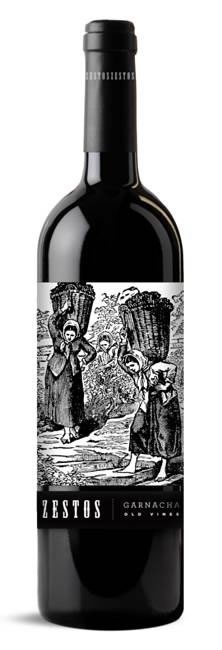
Wine of the week: Zestos Garnacha 2020

Zestos garnacha bottle
Zesto Garnacha 2020/$10-$15

Trust importer Ole & Obrigado to produce a fine wine in trying times

Regular readers know how much I respect importer Ole & Obrigado – I don’t know that I’ve ever tasted one of its wines that didn’t offer value for what it cost.

And this wine may demonstrate that better than any other.

The 2020 vintage in Spain suffered a double whammy – the pandemic and the Trump wine tariff, which slapped an extra 25 percent on red wines less than 14 percent alcohol. Many produces and importers responded by raising the alcohol to more than 14 percent, even if the result was crummy wine.

But not Ole & Obrigado.

The 2020 vintage of the Zestos garnacha ($12, purchased, 14.5%) is not the best ever. But given the bump in alcohol, which can turn this style of wine into frat party jungle juice, it’s an amazing wine.

Garnacha – Spain’s version of the grenache grape – can be jammy and ripe, even at lower alcohol levels. And the 14.5 percent here makes it a little more ripe than I like. But, somehow, it’s still varietally correct, it’s not hot, and you don’t feel swacked after a couple of glasses.

Look for red fruit (black raspberry and cherry?) and even a tiny hint of pepper at the back. The wine is mostly balanced and not too jammy, though it does need food. Burgers, anyone?

Would that all producers cared as much about their wines as this one shows it does with this wine.

Imported by Ole & Obrigado.

Mini-reviews 171: Yet again. four imported wines of varying quality

Shopper paying for wine
“Hopefully, this isn’t one of the WC’ss wines of varying quality.”

Reviews of wines that don’t need their own post, but are worth noting for one reason or another. Look for it on the fourth Friday of each month. This month, yet again, four imported wines of varying quality.

• Herdade do Rocim Mariana Branco 2020 ($14, sample, 12.5%): Portuguese white blend, made in a more traditional style and not as fresh and as interesting as others have been. Not poorly made — just not a style that I enjoy. Some stone fruit, heavyish in the mouth. Imported by Shiverick Imports

• Brancott Sauvignon Blanc 2022 ($8, purchased, 12.4%): Boring, supermarket-style New Zealand white  from a producer that used to pleasantly surprise me. Mostly grapefruit, and not enough of anything else to note in a review. Imported by Pernod Richard USA

• Carpineto Dogajolo Bianco 2022 ($15, sample, 13%):  Italian white blend for people who like chardonnay and sauvignon blanc in their Italian white blends (and you can really taste the chardonnay). Needless to say, it made me crazy. Imported by Opici Wines & Spirits

• Albert Bichot C’est La Vie Rouge 2021 ($13, sample, 13%): Be glad this wine has limited availability; old-fashioned and not in a good way. That means sour, bereft of fruit, and barely ripe at all. Imported by Albert Bichot USA

Photo: Christiann Koepke on Unsplash


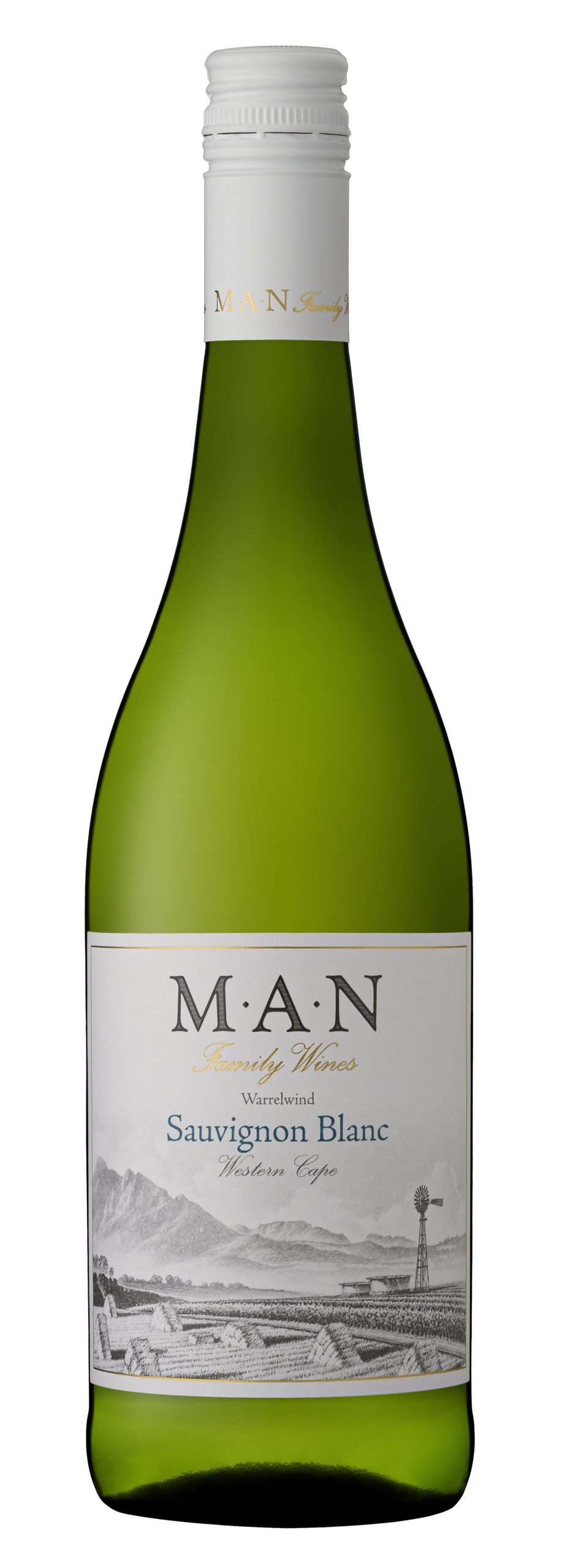
Wine of the week: MAN Sauvignon Blanc 2022

MAN Sauvignon Blanc bottle
MAN Sauvignon Blanc 2022/$7-$15

Once again, South Africa’s MAN delivers quality and value

During last week’s podcast with Greg Doody of Vineyard Brands, he spoke glowingly of South Africa’s MAN wines. And why not, given the quality of this white? (Or most of the other MANs, for that matter.)

The MAN Sauvignon Blanc 2022 ($10, purchased, 13%) is neither New Zealand, French, or California in style. So no head-smacking grapefruit, no long stony finish, no aromas of freshly cut grass. Rather, it’s terroir driven — a little softer and more tropical than French or California. That means a not quite pineapple fruitiness but enough lime for balance. And, of course, crisp enough to be sauvignon blanc.

The 11 percent semillion in the blend makes it richer than I expected – who expects a $10 sauvignon blanc to offer more than one note? Plus, there’s a bit of a complex mouth feel, which is also not common in a wine at this price.

Highly recommended, and certain to return to the Hall of Fame next year. Pair this with any summer salad or grilled fish. And, frankly, it’s just the thing to keep chilled and drink when you’re ready for a glass of white wine.

Imported by Vineyard Brands

Wine of the week: Santa Julia Malbec Organica 2022

Santa Julia Malbec label
Santa Julia Malbec Organica 2022/$8-$15

This red wine from Argentina is a spot on $10 effort

Most of the malbec I taste for the blog comes from samples; it’s just not a varietal I much care for. Unless, of course, the wine is made by Familia Zuccardi.

Then I buy it all the time.

Hence the Santa Julia Malbec Organica 2022 ($10, purchased, 13.9%); $10 malbec doesn’t get much better than this.

What impresses me the most about this Argentine red wine is not just its consistency, in that it’s top-notch from vintage to vintage, but that it’s so well made that it appeals to those who prefer something a little sweeter as well as the rest of us. Most inexpensive malbecs only bother with the first group.

This vintage is soft and fruity (berries? cherries?), but it isn’t sweet; that’s not always easy to do. In addition, it’s so well balanced that the soft tannins and lower acidity aren’t overwhelmed by the fruit. Finally, it’s food friendly, but not too heavy for the summer.

Highly recommended, and a candidate for the Hall of Fame next year.

Imported by Winesellers Ltd.