









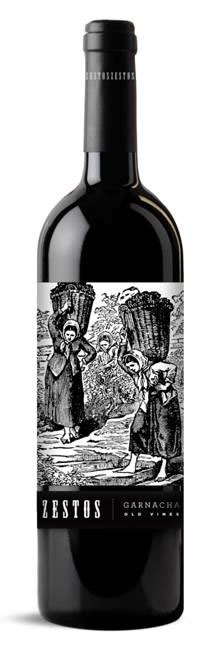
Trust importer Ole & Obrigado to produce a fine wine in trying times
Regular readers know how much I respect importer Ole & Obrigado – I don’t know that I’ve ever tasted one of its wines that didn’t offer value for what it cost.
And this wine may demonstrate that better than any other.
The 2020 vintage in Spain suffered a double whammy – the pandemic and the Trump wine tariff, which slapped an extra 25 percent on red wines less than 14 percent alcohol. Many produces and importers responded by raising the alcohol to more than 14 percent, even if the result was crummy wine.
But not Ole & Obrigado.
The 2020 vintage of the Zestos garnacha ($12, purchased, 14.5%) is not the best ever. But given the bump in alcohol, which can turn this style of wine into frat party jungle juice, it’s an amazing wine.
Garnacha – Spain’s version of the grenache grape – can be jammy and ripe, even at lower alcohol levels. And the 14.5 percent here makes it a little more ripe than I like. But, somehow, it’s still varietally correct, it’s not hot, and you don’t feel swacked after a couple of glasses.
Look for red fruit (black raspberry and cherry?) and even a tiny hint of pepper at the back. The wine is mostly balanced and not too jammy, though it does need food. Burgers, anyone?
Would that all producers cared as much about their wines as this one shows it does with this wine.
Imported by Ole & Obrigado.
 The Zestos Old Vine Garnacha, a Spanish red, remains one of the world’s great wine values
 The Cellers Unio Clos de Nit shows why Spanish wine offers the best value in the world
 The Sangre de Toro garnacha is a red wine for hot weather, and delivers more than $7 worth of value
 Spain’s Muga Rioja Reserva may deliver $40 of value at two-thirds of the price
 The Barcelona Garnacha is another $10 Spanish wine that is better than we have any reason to expect
 One of the Wine Curmudgeon’s battle cries is varietally correct — that is, does the wine taste like the grapes it came from, or has winemaking been used to make it taste a certain way? The latter approach, though useful in making certain kinds of cheap wine, is ultimately not very satisfying. The best wines, of whatever price, should be varietally correct.