Category:Wine news

Winebits 775: Glass prices, Facebook, Los Angeles wine

wine bottles
Prices for glass wine bottles in Europe have more than doubled this year for some producers.

This week’s wine news: Energy shortages in Europe may drive up glass bottle and wine glass prices, plus Facebook and wine have something in common and a history of LA-area wine

• Blame the Russians: Glass prices — both for wine bottles and wine glasses — are going up, thanks to natural gas shortages in Europe, reports Felicity Carter in Wine Business News. Says one Italian winemaker: “A lot of suppliers are telling us take it or leave it. If you ask for 15,000 bottles, they say they can supply 3,000 and will deliver when they can.” His prices have increased twice — about 20 percent each time. The cause? The Russian invasion of Ukraine, which cut the flow of natural gas to western Europe. Most glass producers in western Europe use natural gas to power their furnaces.

• Much in common: What does Facebook have in common with wine? Its customer base is getting older and older. A recent study conducted by Pew Research Center found that U.S. Baby Boomers older than 65 increased from 26 to 40 percent of the site’s traffic. On the other hand, Millennials (1977-95) and Baby Boomers (1946-64) only rose by two percent; Gen X users — those born between 1965 and 1976 — actually decreased by two percent. So it’s  no wonder your grandchildren roll their eyes when you talk about Facebook.

• L.A. wine: Before Napa– even before Prohibition — California’s biggest wine region was in and around Los Angeles: “dozens of wineries and more than a million grapevines made up an enormous L.A. cash crop. In 1869, when L.A.’s wineries were squeezing out as much as 5 million gallons, 3 out of every 4 Los Angeles manufacturing workers were earning their pay in some fashion from the wine business.” That’s the word from Patt Morrison in the Los Angeles Times. Writes Morrison: “Around 1857, vintner Manuel Requeña and future citrus tycoon William Wolfskill sent gifts of vino to President James Buchanan, packing red and white wine, brandy and Angelica; the winemaking Sainsevains brothers sent their own rudimentary sparkling wine to the White House. In a thank-you letter from ‘Washington City,’ Buchanan thanked the freres Sainsevain and predicted a great future for California wine.”

Winebits 774: Taylor Swift, climate change, Drizly

Mont Gravet rose bottle
Honest, Taylor — cheap and good.

This week’s wine news: Taylor Swift has unkind lyrics for cheap rose, plus climate change hits Canadian growers and the feds go after Drizly

• We don’t need no stinkin’ rose: This would have been a standalone post on the old blog, when I needed to sacrifice at the altar of the great god Google to attract visitors. And these days, SEO doesn’t get much better than Taylor Swift. But now, thanks to Substack, I can write a silly and short item here and be done with it. Swift, apparently, does not read the blog – there’s a lyric in a song on her new album that talks about getting drunk on cheap, screwcap rose. Heaven forfend. Taylor — Mont Gravet, La Vieille Ferme, Scaia (and its glass cap) and so many more that are cheap and well worth drinking. I’ll even give you the special pop music superstar discount.

• Even in Canada: Grape growers in Ontario are facing a unique challenge from climate change — extreme cold, even in regions used to cold weather. We this in Colorado several years ago, and Ontario growers said last year’s bitter cold snap. Reports the CBC: “extreme, unpredictable swings in weather are having a big effect on Ontario’s wine industry and forcing producers to respond with costly pivots.” One grower estimates that the he lost three-quarters of his crop for 2022 and will lose as much as one half in 2023 from vines that still haven’t recovered from temperatures as low as -30 F.

• Security breach: Drizly, the booze delivery app, is in trouble with the federal government. The Federal Trade Commission has ordered the company, owned by Uber, to destroy unnecessary user data, restrict future data collection and retention, and implement data security requirements. The order comes in the wake of a massive cyber breach two years when the company ignored warnings that hackers could access the data. One particularly egregious flaw made it possible for hackers to mine bitcoin on the company’s cloud system – even after Drizly insisted that its sites were secure. The other thing scary about this? Drizly collected information that had nothing to do with liquor purchases.

Winebits 773: Cutting prices, alcohol delivery, weed delivery

Wall mural with marijuana slangThis week’s wine news: One more failing consumer business cuts prices to attract customers, plus a wine delivery update and some Canadians get weed delivery

• Crappy season: The blog has noted the similarities between baseball and wine; the core demographic for each is an aging and mostly white population; younger people could care less. Baseball, for all of its many failings, recognizes this and has made a variety of efforts to expand its base. And even one of its most hidebound and money grubbing teams – my once beloved Cubs – has acknowledged that no one wants to watch boring losers whose owners don’t seem particularly concerned about winning. Hence, the Cubs are cutting ticket prices by five percent for next season. This is mind-boggling, given that the Ricketts family, which owns the Cubs, is so insensitive that it has been accused of cheating the disabled. So the WC must ask: If the movies and even the Cubs, when wine?

• Not so fast: DoorDash, the home delivery service, wants to expand its booze delivery with a service called Drinks with DoubleDash. There’s a ctach, of course, reports Supermarket News. Retailers are “poised to jump on the alcohol delivery bandwagon — but whether they’re allowed to go along for the ride depends largely on what states and sometimes even the county courthouse will let them do.” This is not news to regular readers of the blog, but it is a reminder of how how draconian three-tier is in most of the country. DoorDash, for example, can only deliver in 23 states and the District of Columbia. The DoorDash official quoted in the story is cautiously optimistic about changing local laws to make delivery easier. Guess he’ll find out differently soon enough, yes?

• It’s your weed delivery: If you live in Toronto, Uber Eats can now set up a legal marijuana delivery. Take that, three-tier system! The CBC reports that the delivery service will process pot orders through online marijuana marketplace Leafly, using three Toronto dope shops. Consumers, who must be 19 or older, place orders on the Uber Eats app, which sends the order through Leafly to the retailer. A certified retailer employee will deliver the Mary Jane. Interestingly, says the story, “Uber positioned the partnership as a way to tackle the illicit cannabis market, which licensed pot producers have long blamed for curbing sales.”

Photo: Marijuana slang in neon at cannabis shop in Oregon (2017).jpg” by Steve Morgan is licensed under CC BY-SA 4.0.

Winebits 772: Montana wine, wine pests, Aztec alcohol god

Spotted Lanternfly
Yes, perhaps billions of spotted lanternflies.

This week’s wine news: Montana wants to be Napa, plus wine pests in the east and archaeologists uncover an Aztec alcohol god

• Bring on Montana? This is how far we’ve come with Drink Local: Montana wants to be the next Napa. We’ll excuse the cliché – most rookie wine regions haven’t learned yet that the goal is not to emulate another region, but to be the best region they can be. Having said that, the story hits all the right notes – using locally grown grapes and focusing on varieties that can withstand Montana’s extreme climates. And it also notes that the state is not well known for fruit of any kind, as one of the many challenges facing the few growers the state has.

• Spotted lanternfly: The spotted lanternfly doesn’t get as much publicity as other wine pests, like the glassy winged sharpshooter, but it can be just as ruinous. Which CNBC reports is the case in a variety of states east of the Mississippi, including key wine regions like New York, Virginia, and Michigan. One Maryland grower says he has lost half his crop this year. Insecticides do some good in controlling the lanternfly, but one experts says there may be billions of them in the region.

• Pulque: A pre-Columbian wall mural, buried under several layers of whitewash in an ancient Spanish convent, may depict Tepoztēcatl, the Azetc god of the alcoholic beverage pulque. The god was worshiped by the Nahuatl-speaking Aztec who inhabited the area before the 16th century Spanish conquest, The Art Newspaper reports. Researchers didn’t expect to find the mural; weren’t even looking for it, in fact. If it is what they think it is, it is a significant archaeological discovery.

Winebits 771: Lipton, Constellation Brands, viral marketing

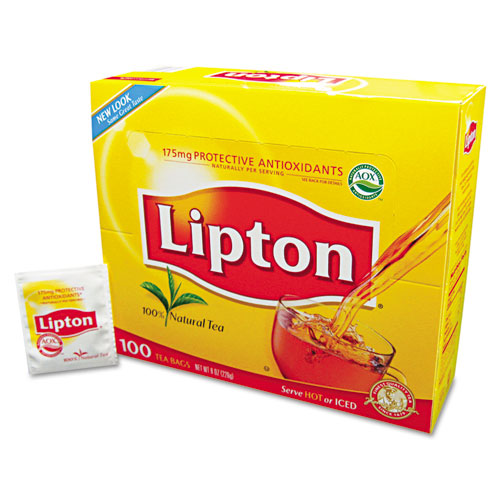
Box of Lipton tea
No, not this Lipton tea.

This week’s wine news: Get ready for Lipton’s iced tea booze, plus Constellation sheds more wine brands, and why going viral matters

• How sweet is it? Lipton, which has been making tea for more than a century, is getting into the hard beverage business — Lipton Hard Iced Tea (technically a malt beverage). There will be four flavors, for those of you looking forward to the launch next year: Lemon, Half and Half, Peach, and Strawberry. Each will be about five percent alcohol, or about the same as light beer. Lipton, of course, is owned by the same company that owns Pepsi, and which has given us Hard Mtn Dew (or Mountain Dew, for those of us not cool enough to figure that out). My question, given how these things keep proliferating: What’s next? Hard wine?

• Dumping wine: Constellation Brands, which is betting on Mexican beer, high-end wine and spirits, and legal weed, has sold five wine labels to The Wine Group. The brands include previous high fliers Cooper & Thief and The Dreaming Tree, as well as the ubiquitous Monkey Bay. These are, for the most part, less expensive wines and don’t fit the company’s premiumization game plan. This is another of the company’s cheap wine dumping, following its huge sale to E&J Gallo several years ago. But it’s interesting to note that, despite all this offloading, Constellation expects a sales decline in its wine and spirits business.

• Going viral: This is a fascinating look at viral marketing, and why – for some products – it seems to perform miracles. Researchers have called it “rogue marketing,” and it “occurs when an unaffiliated individual creates and posts an informal message about a brand on social media that becomes viral. Although the post is not funded or endorsed by the company that owns the brand, the viral status provides free and unexpected advertising.” It helps to explain the growth of hard seltzer over the past couple of years, and may also explain why we don’t see more of this for more traditional products (like wine).

Winebits 770: Wine smuggling, Utah, “affordable” wine

cartoon: Criminal bribing policemanThis week’s wine news: The Chinese bust another wine smuggling ring, plus Utah’s liquor laws and “affordable” French wine

• $51 million: Chinese authorities reportedly broke up a French wine smuggling operation worth more than US$51 million. The story in the link looks to be an English-language adaptation of a Chinese-language news report, so how much of the story is accurate is anyone’s guess. It doesn’t identify most of those arrested or detail the wines. I mention it here given the blog’s interest in wine crime, and the fact that the smugglers were apparently caught because they listed a legitimate importer on the wine labels. When the police checked with the importer on the label, the importer denied any knowledge of the wines. One would think smugglers would be a bit more cagey than that.

• Bring it on, Utah: What do you do if you’re a bar in Utah and need a liquor license? Wait. And then wait some more. Utah, as regular readers know, always makes the WC smile with its tangle of liquor laws, and this story is no exception. The Salt Lake Tribune reports that the state’s liquor authority had 11 applications for one available license in the entire state, but didn’t even give the one out. The reason? Ask the state legislature, said the liquor board chairman. No, I don’t understand it, either.

• “Affordable”? I don’t quite understand what this story is talking about, and I’m especially confused by the headline. It’s ostensibly about investing in fine wine, and there’s a chart that shows the popularity of Burgundies costing as much as $1,000: “In the year to date, the region has generated an aggregate return of 25.3%, putting it comfortably ahead of all major financial benchmarks.” So what does that have to do with affordable? Or has wine just reached a level that I can’t even begin to comprehend?

Yes, nutritional labels fit on wine bottles

Gazela nutrition facts label
Damn! Only 87 calories. Who knew?

The Gazela vinho verde found space – why can’t others?

Almost everyone – including the federal government – has come to the realization that wine needs ingredient and nutritional labels. But there is still resistance from wine, because that’s the way wine works.

Hence, this post, and the picture at the left: A nutritional label on the Gazela vinho verde.

I contacted the Gazela importer to find out why the producer (one of Portugal’s biggest) added the label. If I hear back, I’ll update the post.

But it’s easy to figure out why: Just 87 calories, which is about three-quarters of a typical glass of wine (and fewer than light beer); almost no carbs; and no fat. My only complaint is that the alcohol content (a measly 9 percent) is stuck up in the upper left hand corner of the back label; it should be next to the nutrition box.

So, yes, Gazela and parent Sogrape have lots of ulterior motives to add the information. Obviously, they’re going after the younger, hard seltzer demographic, which sees that beverage as a more healthy form of alcohol than wine – less calories, less carbs, and so forth. So the box is letting those consumers know that Gazela is just as “healthy” – fewer calories, even. In this, vinho verde has always struck me as the perfect wine alternative for all those hard thises and hard thats.

So, given wine’s resistance to nutrition and ingredient labels, I don’t much care how many ulterior motives Gazela and Sogrape have. Results matter, and this is one more crack in the anti-label wall.