This Italian white blend shows the difference honest winemaking brings to cheap wine
The Wine Curmudgeon has been drinking this Italian white blend for six years, and this is the fourth vintage we’ve reviewed on the blog. Do you see a pattern?
In other words, terrific cheap wine year after year. Yes, there have been vintage differences, and the 2013 is still the most interesting effort. But each of the others have been worth buying and drinking.
Know a couple of things about the Scaia Garganega Chardonnay 2020 ($10, purchased, 12.5%). First, it’s an unlikely bend, since garganega is the grape used to make Soave and chardonnay is hardly very Italian. Second, neither is much respected among the Winestream Media, and so I’ve never really seen this wine get many raves.
And who cares? It’s cheap, well-made, and is just the thing for any weeknight dinner or for a glass of wine after work. This vintage has little more balance than the 2018, though not as well done as the 2013. There is lots of tart green apple fruit, and the wine is clean and crisp at the finish — simple, but not stupid.
Highly recommended, and sure to return to the Hall of Fame in 2022. And anyone who drink this regularly has a serving bowl full of the glass tops that the wine is closed with sitting in their kitchen.
The Balnea Verdejo 2019 ($12, purchased, 14.5%), on the other hand, has a high enough alcohol level so it would have been exempt from the tariff. But it still tastes like it’s supposed to taste, and it doesn’t taste like it’s 14.5 percent. There are a couple of subtle differences between this vintage and the 2018, which was just 12.5 percent. But it’s still a fine value and a Hall of Fame wine.
The 2019 isn’t quite as zippy and lemonish as the 2018. Instead, it’s more full in the mouth and feels a bit heavier, with an almost glycerin finish. But heavier is relative – this isn’t a big red wine. Rather, it’s just not quite as light as it was the year before.
What impressed me most, given how poorly made so many of the other wines with boosted alcohol seemed, was that the Balnea was still a professional, competent wine. I can’t imagine it’s easy to add two full points to the alcohol level on a crisp, light white wine so that it still tastes like a crisp, light white wine.
Who knew there was a t-shirt to pair with these wines?
The calls, texts, and emails are crazy – and I don’t even have granite counter tops
The Wine Curmudgeon is not ashamed to admit he knows nothing about real estate. Hence, Dallas’ pandemic-fueled housing boom has left me especially baffled. Yes, my 1950s-style ranch has lots of trees and is more than comfortable, but there are no granite counter tops, double kitchen sinks, or master suites.
Nevertheless, the emails keep coming. The texts keep coming. The phone calls keep coming – in English, an Asian language, and Spanish. There’s even someone who keeps sending postcards with a color photo of my house.
And the message is the same: “We want to buy your home!”
These four wines have made it much easier to keep all that is going on in perspective. The housing market will eventually crash, but I’ll still have a place to live:
• Joseph Drouhin Mâcon-Villages 2019 ($15, purchased, 13%): This is chardonnay from Macon in France’s Burgundy region, and as such offers tremendous value. It’s bright, fresh, and lemony, truly tasting of chardonnay. I drank this one afternoon when I got six texts in a row about the house – so sip, block, delete; sip, block, delete; and repeat, repeat, repeat, and repeat. Imported by Dreyfus, Ashby & Co.
• Capezzana Carmignano Vin Ruspo 2020 ($15, purchased, 12.5%): The Italian Wine Guy has pointed me in the direction of several top-notch Italian roses this summer, including this one. It’s almost pretty – full of berry fruit, sort of rich in the mouth, but also quite fresh. A fine example of this particular Italian style, and just the sort of thing to drink on the porch when the phone is inside the house. Imported by Dallas Terra
• Calcu Pinot Noir Escarlata 2020 ($12, sample, 13%): This Chilean red fits firmly in what passes for pinot noir these days – pleasant and drinkable, even if it isn’t especially varietal. There’s not too much red fruit, some sort of oak thing, and soft tannins. It’s dinner wine with leftovers – meat loan sandwiches, perhaps, and with the phone on mute. Imported by Global Vineyard Importers
• Bouvet Brut Signature NV ($12, purchased, 12%): This French bubbly was outstanding, and not just because I drank it to celebrate a Sunday afternoon bereft of anyone asking about the house. It’s softer than Champagne, since it’s made with chenin blanc. But the bubbles are still tight, there’s a zingy mouth feel, and nicely done lemon apple fruit. Highly recommended. Imported by Kobrand
Rickshaw’s sauvignon blanc shows it’s still possible to find quality California wine that offers value at a price we can all afford
Once upon a time, in a wine world far different from ours, sauvignon blanc was made in a variety of styles. French winemakers took a couple of approaches – one in Bordeaux and one in the Loire. New Zealand wines, new to the market, featured what would become its trademark grapefruit style.
In California, the same grape produced a decidedly different wine, with less minerality than France and hardly any grapefruit. The wines were aromatic, with lemongrass and what we used to call “freshly mowed lawn,” and the fruit was more lemon than anything else.
Today, though you can still find some of the French style if you’re willing to pay for it, it’s almost impossible to find the California style. Most producers, and especially at the blog’s prices, make New Zealand-style sauvignon blanc and leave it at that (unless they sweeten the wine up).
Which is why I was so excited to find this previous vintage of the Rickshaw ($12, purchased, 13.5%) at a Dallas retailer.
This is classic California sauvignon blanc, and if it’s a little short in the back, chalk it up to age. The 2020 bottle in the link shouldn’t have that problem. This is a delicious, well-made, and fairly priced white wine. It has those California cut grass aromas, as well as some stoniness and citrus fruit that is more lemon than grapefruit. And it’s very fresh, despite its age.
Highly recommended, and I say this even though Rickshaw wines have always been kind of geeky, aimed more at restaurants than at retailers (and its more expensive label mate, Banshee, is even geekier). And yes, I know the brand has been sold to a burgeoning Big Wine company; so far, though, so good.
Chill this wine, bring it out for fall barbecues or spaghetti and clam sauce, and be glad someone in California is thinking about quality at this price.
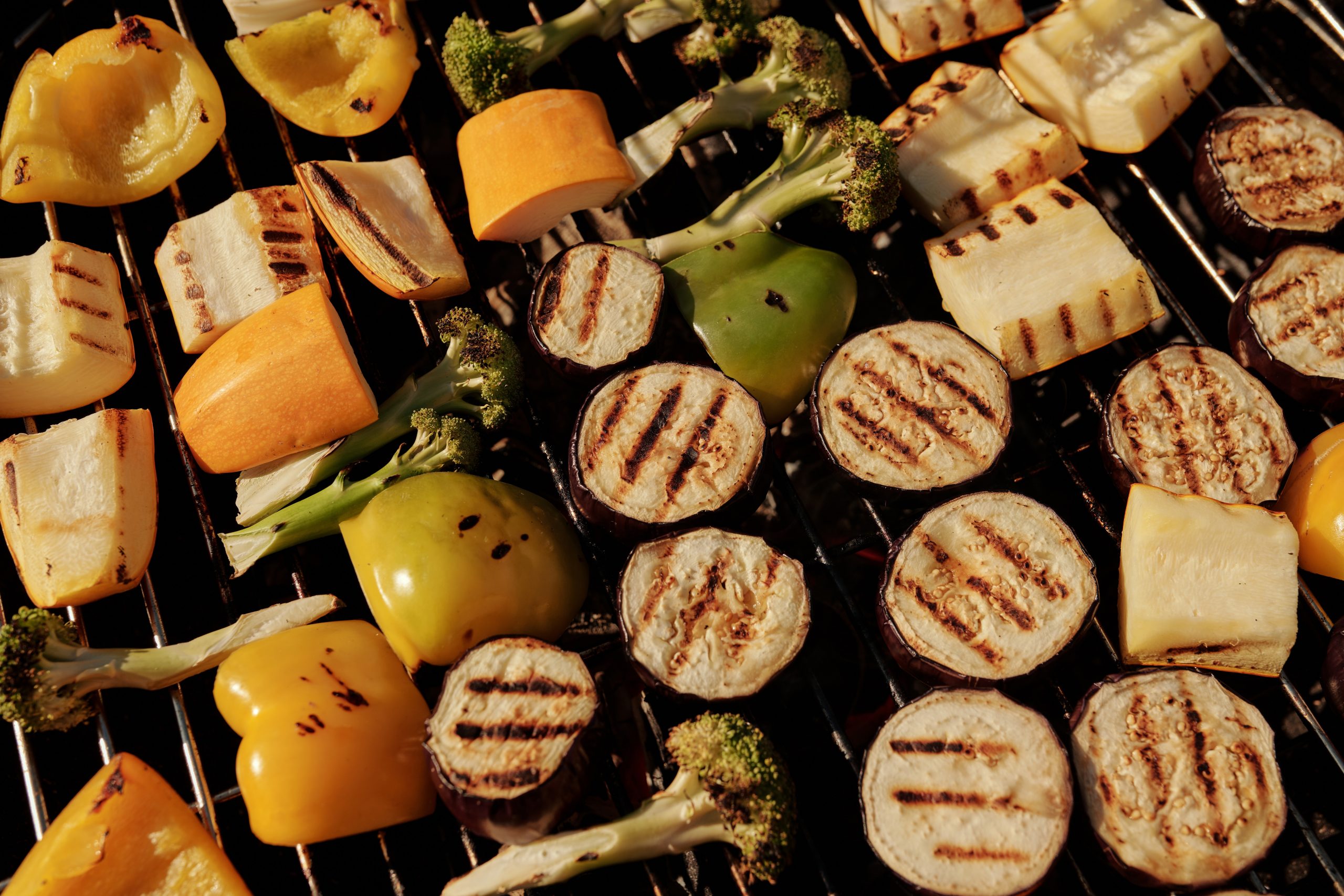
Yes, you can pair wine with grilled vegetables. It’s one reason that rose exists.
Labor Day wine 2021 — four wines to mark the end of summer
Labor Day marks the traditional end of summer, so why not pour a glass of wine, grill something worth enjoying, and know we’ve made it this far after a not easy past 16 months? Churro, the blog’s associate editor, and the Wine Curmudgeon will be doing just that, though if Dallas’ 100-degree temperatures hold up, it will be indoor grilling. A little chicken marinated in lemon juices, garlic, and olive oil, perhaps?
• Cave de Lugny Les Charmes 2018 ($12, purchased, 13%): This was once a fine, affordable French white wine from Macon in Burgundy, and then the past three years happened. So when I saw it at this price, I snapped it up — should have bought a case. Crisp apple fruit, a little more body than I was expecting, and very clean. Imported by Deutsch Family Wines & Spirits
• Zardetto Prosecco Brut NV ($13, sample, 11%): I’ve never been able to figure out Zardetto’s Italian sparkling wines. Sometimes, they taste like no one cares; at other times, like this, they’re a step up from supermarket Prosecco. This one is hardly sweet at all, has much tighter bubbles, and more citrus fruit (some orange, in fact?). There’s even a little structure. Imported by Winebow
• Mont Gravet Rose 2020 ($10, purchased, 12%): This French pink is one of the blog’s favorite roses. It’s much more Rhone in style this vintage, with more fruit (strawberry?) and a bit less tart. So it’s a fine cheap wine — just in a different way. Imported by Winesellers, Ltd.
• Two Birds One Stone Rouge 2018 ($10, purchased, 12%): I didn’t think this kind of simple, enjoyable French table wine existed any more. It has more more fruit than I would have thought (lots of red berries), but also soft tannins, and balance in the back. This is the kind of wine to buy a case of, pull out when you want wine with dinner, and not worry about. Imported by Wine-Circle
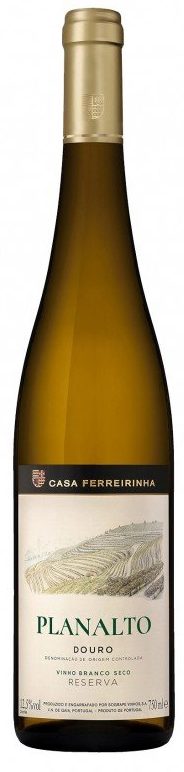
This Portugese white wine shows once again that Portugal delivers quality and value
First, it was Portuguese red wines. Now, it’s Portuguese whites. The wine world, once we get out of the pigeon holes assigned to us by our betters, is an amazing place. There’s quality and value, if only we would look.
The Casa Ferreirinha Planalto 2019 ($11, sample, 12.5%) shows, like its country’s reds, how far the whites have come. It’s not old, yellow-ish and oxidized, as often used to be the case. Rather, it’s fresh, vibrant, and fruity, a truly amazing wine at this price.
Know, first, that it’s a blend, just as most of Portugal’s reds are. But don’t worry if you haven’t heard of any of the grapes: viosinho, malvasia fina, gouveio, arinto, and códeg. Vioainho and malvasia fino, for example, have been traditionally been used to make port.
Know, second, that the wine offers a little lime, something tropical in the middle, and a long, clean finish. Frankly, I was stunned – yes, Portuguese whites have continued to improve, but I didn’t know they had improved this much.
Chill this and drink it on its own as summer ends, or pair it with grilled seafood or chicken marinated in garlic and olive oil. Highly recommended, and candidate for the Hall of Fame in 2022.
First the rose, and then the La Vieille Ferme white – how much luckier can we be?
Two decades ago, the various French La Vieille Ferme wines were of uneven quality – sometimes drinkable, sometimes rough and uneven and even less drinkable. These days, they leave me speechless.
The rose, of course, has established its place as one of the great cheap wines of all time. The red, though still a bit old-fashioned, is usually a more than acceptable $8 wine.
And the white? It’s improved so much that I’m almost at a loss for words.
The La Vieille Ferme Blanc 2020 ($9, purchased, 13%) is a white blend made with grapes most of us haven’t heard of – bourboulenc, anyone? This, of course, keeps the cost down. It also allows production of a simple, but not stupid, wine that is clean and fresh and absent any off flavors or aromas. Trust me – this was not always the case.
This vintage isn’t too fruity (it is a French wine, after all), with some sort of lime and maybe some stone fruits. But it’s not especially tart, which happens all too often with this style of wine at this price.
Highly recommended, and almost certain to enter the Hall of Fame in January. Drink this chilled on its own or with grilled chicken and summer salads.