



Tag Archives: Portuguese wine

Mini-reviews 175: Black Friday edition 2023

Black Friday at the mall
“I hope we can find that verdicchio the WC has in this review.”

Reviews of wines that don’t need their own post, but are worth noting for one reason or another. Look for it on the fourth Friday of each month. This month: a red, two whites, and a sparkler for Black Friday 2023

Famille Bougrier Anjou 2021 ($10, purchased, 12%): French white is Hall of Fame quality; the catch is that it’s a Total Wine private label. Otherwise, impeccable chenin blanc from the Loire — a bit of stoniness, a bit of green apple, well balanced, not tart, and refreshing. Imported by Saranty Imports

Excelsior Syrah 2020 ($10, purchased, 14%): This is the most ordinary of the Excelsior South African wines, which are otherwise terrific values. It’s mostly a supermarket effort, with tar instead of bacon fat and very simple. Imported by Cape Classics

Fazi Battaglia Verdicchio 2021 ($12, purchased, 12.5%): This Italian white is sort of available — big surprise, huh? Surprisingly creamy for verdicchio; more green apple than citrus, with some almond and lots of minerality. Nicely done. Imported by Palm Bay International

Wycliff Sparkling Rose NV ($6, purchased, 10.5%): Once more, the WC takes one for the team. This California sparkler is flat, sweet,and flabby, and I’m not sure I’d buy it again even if I wanted a flat, sweet, and flabby sparkler.

Photo: “Black Friday at the mall” by Lars Plougmann is licensed under CC BY-SA 2.0.
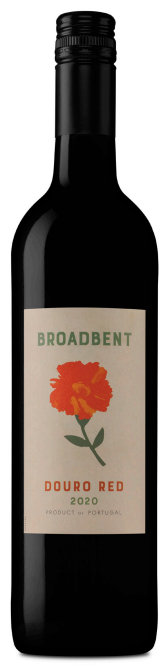
Wine of the week: Broadbent Douro Red 2020

Broadbemt Four Red bottle
Broadbent Douro Red 2020/$10-$16

This Portuguese red blend reminds us heavier wines can still be pleasant

“Smoooth” wine is not the only trend dominating the wine business; there’s also “biggg wine,” aimed at men of a certain age where the point is to make the wine rough and tannic so that one can go around fist-umping after drinking a couple of glasses.

This is not that kind of wine.

Instead, the Broadbent Douro Red 2020 ($13, sample, 13%) is a wine made in a heavier style because that’s what the grapes do when they’re turned into wine. There isn’t any winemaking going on to appeal to specific demographics; in this, it’s what I call an honest wine, in which the winemaker takes what’s there and makes something enjoyable out of it.

In other words, a professional, competent Portuguese red blend (four grapes, including the Portuguese version of tempranillo). That means it’s a little heavier in the mouth than a Spanish tempranillo. But there is also dark red fruit (black raspberries?), softish tannins, and bright acidity. The tasting notes say a bit of spice, and that may well be true.

It needs food, but that’s not a problem this time of year – almost anything on the grill will work, and especially for a Father’s Day barbecue.

Imported by Broadbent Selections

Mini-reviews 163: Black Friday edition 2022

People waiting in line for Black Friday
“Why does the WC keep reviewing wines that are hard to find?”

Reviews of wines that don’t need their own post, but are worth noting for one reason or another. Look for it on the fourth Friday of each month. This month: four whites for Black Friday 2022

Bodega Marichal Sauvignon Blanc 2021 ($12, sample, 12.7%): Uruguayan sauvignon blanc that is spot on and resembles the old Chilean style (some lemon, maybe some minerality). Simple and not stupid. Availability may be a problem. Imported by Global Vineyard Importers

Adega de Portalegre Conventual Reserva Branco 2018 ($11, sample, 12%): Why would I get a sample for a wine that isn’t available in the U.S.? Your guess is as good as mine. Too bad it isn’t: this Portuguese white blend is subtle and interesting, with some stone fruit and spice.  Imported by Wines of Portugal

Bodegas Godelia Blanco 2020 ($12, purchased, 13.5%): One more label with little U.S. distribution, but find it for $15 or less and you have a terrific buy. Spanish white is subtle — almost stone fruit, but more crisp than viognier and not as rich as chardonnay. A fine food wine. Imported by Europvin USA

Pavette Sauvignon Blanc 2020 ($12, purchased, 12.2%): The California white (though the link says it’s from Washington state) gets points for effort. Not many are still bothering to make quality wine at this price in California. It’s a bit too tart, though, and needs a little more fruit other than the grassy aroma.

Winebits 744: Winery lawsuits, Portuguese wine, neo-Prohibitonists

wine lawsuitsThis week’s wine news: Esther Mobley explains why wineries sue each other, plus Portuguese wine may be ready for the big time and we’ll all get fat if we drink wine


Bring on the lawsuits: Esther Mobley, writing in the San Francisco Chronicle, explains why there are so many winery lawsuits: “All the good [names] have been taken, basically. And don’t even think about coming up with a name that sounds similar to an existing wine. You’ll be fighting a court battle in no time.” Which, of course, is grist for the Wine Curmudgeon’s wine press; intellectual property, baby! The story describes what seems to be the never-ending glut of wineries suing each other, and her analysis seems to be spot on.

Portuguese wine: The WC has long wondered why Portuguese wine isn’t more popular, given its quality, value and often stunningly low prices. Now, Oz Clarke, the British wine expert, says Portuguese wine’s time is here. He told a London wine tasting that “Portugal is a country that said, ‘we don’t need Cabernet to prove our worth. We don’t need Chardonnay and Sauvignon to try and squeeze our way into a crowded marketplace.’ ” A man after the WC’s heart, yes? The caveat here is that Clarke said these things at an event sponsored by the Portuguese wine trade group. Still, his point is well taken for those of us looking for wine that hasn’t been focus-grouped to death.

Fat, fat, fat: Drink wine and gain 14 pounds — or even more. That’s the result of a study conducted by a group called DrugAbuse.com, which should tell us all we need to know about how legitimate the survey is. I mention it here, despite the blog’s usual ban on these stories, because it assumes that no one can drink wine in moderation and that drinking wine is as bad as stuffing your face with fast food. Note to the neos: I have not had anything from McDonald’s in decades. How does that survey?

Wine of the week: Casa Ferreirinha Esteva 2018

Casa Ferreirinha Esteva
Casa Ferreirinha Esteva 2018/$8-$14

This Portuguese red blend from a Big Wine company is spot on – enjoyable entry-level wine that’s fairly priced

Yes, one more fairly-priced, professionally-made and enjoyable Portuguese red wine. So please don’t be afraid of the blend – four grapes that you’ve probably never heard of – or that Ferreirinha is difficult to pronounce.

That’s because the Casa Ferreirinha Esteva 2018 ($12, sample, 13%) is an example of Big Wine doing what Big Wine should be able to do best – use its resources to make enjoyable entry level bottles. Sogrape owns wineries in five countries, including blog favorite LAN in Spain and Quinta de Azevedo, a top vinho verde label.

The Esteva is heavy enough so that you’ll know it’s Portuguese, but modern enough so that it’s not so heavy as to be off-putting. Look for fresh red fruit with soft tannins and a surprisingly long and balanced finish. The acidity is spot on, too – how about an old-fashioned pot roast?

Vintage note: There may not be much 2018 left; one of the hazards with samples is that they may not send the current vintage. But the 2019 and even the 2020 should be similar in style.

Imported by Evaton

Thanksgiving wine 2021

thanksgiving wine
How does a turkey drink wine?

Four Thanksgiving wine 2021 suggestions

Let’s quote Shakespeare this year, as we give thanks for a holiday that hopefully marks the end of a long journey: “The web of our life is of a mingled yarn, good and ill together.” What better sentiments to keep in mind this year?

So enjoy the holiday, and especially these Thanksgiving wine 2021 suggestions. The blog’s guidelines for holiday wine buying are here.

Loess Gruüner Veltliner 2020 ($14/1-liter, sample, 12%): This Austrian white — a varietal that I usually find much overrated — is a Hall of Fame candidate. It’s very fresh and almost spritzy, with lime zest, a hint of oiliness, some pepper, and a juicy finish. Highly recommended; the catch is that it might be difficult to find. Imported by Gonzalez Byass

Mionetto Rose Extra Dry NV ($12, sample, 11.5%): A fine example of Prosecco — not too sweet and with a surprising amount of berry fruit. The bubbles are a bit soft, but that isn’t a problem. Serve will chilled. Imported by Freixenet Mionetto USA

Silk & Spice 2018 ($12, sample, 13%): This Portuguese red blend is one more fine value from that country. Yes, there may be a little winemaking going on, but it otherwise tastes as it should — fresh, but Portuguese, with very noticeable acidity in the back and lots of juicy black fruit . Imported by Evaton

Chateau de Campuget Rose 2020 ($11, purchased, 13%): This French pink has long been one of the WC’s favorites, and the 2020 is equally spot on. It’s fresh and fruity (red berries), with a bit of garrigue, and very French. Well worth the extra couple of dollars compared to the La Viellie. Imported by Dreyfus Ashby

More about Thanksgiving wine:
Thanksgiving wine 2020
Thanksgiving wine 2019
Thanksgiving wine 2018
Wine of the week: Scaia Garganega Chardonnay 2020
Expensive wine 146: Smith-Madrone Riesling 2017

Why aren’t we drinking more Portuguese wine?

Portugese wine
No, Portugal, Lancer’s is not your problem in the U.S.

They’re cheap, they’re well made, and they’re mostly available – so what’s the catch?

Portuguese wines are cheap, well-made and mostly available. So why aren’t we drinking more of them?

My pal Tim McNally and I have been discussing this quite a bit lately. Tim, the award-winning writer, wine judge, and New Orleans radio host, is baffled by Portugal’s lack of success in the U.S. One recent survey about popular imports included Australia, even though Australian wine hasn’t mattered much in the U.S. in years.

“Why the hell can’t Portugal crack the sales market?” he asked me. “Good wines, delightful qualities, and cheap. But Portugal is a perennial also-ran.”

I’ve noticed the same thing, and have done my best over the past 18 months to change that. Want a cheap, well-made white for parties or when friends come over? Portugal has vinho verde. Want some sturdy, affordable reds for dinner? Then there are only a couple of dozen to choose from. Want whites that do the same thing? Again, many to choose from.

So what’s the catch? Three things stand out:

• Not quite understanding the U.S. market. One leading Portuguese wine type recently blamed his country’s lack of success on old-fashioned (and very plonk-y) wines like Lancer’s and Mateus. But neither have been popular for 30 years, and hardly anyone buying wine these days knows what they are.

• Targeting the wrong audience. If you’re worried about Lancer’s and Mateus, then you’re chasing the wrong audience. Focus on young people, Portugal, young people. I can buy a quality 1-liter bottle of vinho verde – apple-y, slightly sweet, and a little fizzy – for $8. Am I the only who thinks that’s more fun to drink than a can of hard seltzer?

• Supermarkets and their increasing importance in selling wine. More than half the wine sold in the U.S. is sold by grocers, but the biggest Big Wine companies dominate the business. That leaves little room for Portugal on the shelves among the all of the 19 Crimes, Apothic, and Barefoot. Still, I find it difficult to believe that a country with a centuries-old wine business can’t figure out a solution to that problem.