
Category:California wine

Wine history lesson 6: Was this California fortified wine one of the state’s first post-Prohibition efforts?

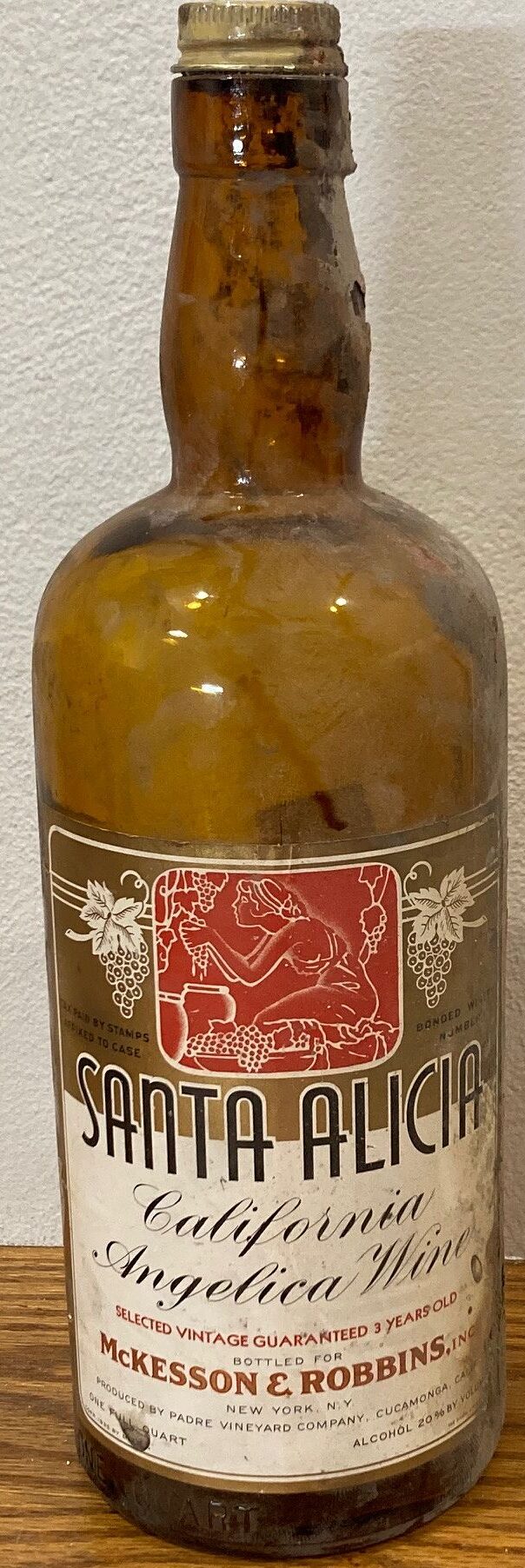
Padre Vineyard Angelica bottleThis Angelica bottle, made in the mid-1930s, is a “historical find”

Angelica, a fortified wine made with with the mission grape, is all the rage these days. I wrote a freelance piece about it, and Angelica shows up on the websites and social media that the cool kids use. Ask California winemakers about vintage Angelica, and they practically salivate.

But we can do them one better, thanks to blog reader Phil Buckles.

He found this bottle in a crawl space in a Denver home. The bottle, thanks to sleuthing from noted wine writer Mike Dunne and legendary Sacramento retailer Darrell Corti, is an Angelica sold around 1938 (there’s a 6-cent state liquor tax stamp on the back of the bottle). This means, says Corti, that “if it was three years old when bottled, as it says on the label, then it probably would have been one of the first vintages after the repeal of Prohibition.”

Further confirmation: Buckels found the bottle wrapped in newspapers, one of which was from February 1928 (touting the stock market, ironically enough, just 19 months or so before the crash that started the Great Depression).

Says Corti, whose family sold this producer’s wines in the 1950s: “This is a real historical find. It is the first time I am seeing something like this.”

A little background: Padre Vineyard was in Cucamonga (today, Rancho Cucamonga, more or less a Los Angeles suburb). It was owned by the Vai family, who made wine under the Vai Brothers and Padre labels. The winery was built in 1870 and renovated by the Vais in 1909 and likely closed in the 1960s, when suburban sprawl uprooted most of the surprising number of wineries in the Los Angeles area.

The distributor, McKesson & Robbins, was the forerunner of today’s McKesson pharmaceutical giant. It wasn’t unusual for drug companies to sell alcohol before Prohibition, and many were able to stay in business during Prohibition because they did sell medicine.

The mission grape was brought to California and the U.S. southwest by colonizing Spanish priests in the 17th century, who used it to make communion wine. There are still a handful of centuries-old mission vineyards throughout the state, some of which were planted to make Angelica for miners during the California gold rush. Angelica has enjoyed a resurgence over the past decade or so, with younger winemakers looking for something more interesting to make than another bottle of cabernet sauvignon.

More wine history lessons:
Wine history lesson 5: Big Wine’s forebear — the infamous California Wine Association
Wine history lesson 4: Those damned high prices
Maynard Amerine on quality, price, and value

Wine of the week: Rickshaw Sauvignon Blanc 2021

Rickshaw sauvignon blanc
Rickshaw Sauvignon Blanc 2021/$9-$18

The California white remains a stunning wine – both for quality and value

The Wine Curmudgeon stumbled on the Rickshaw last fall, when I picked up a previous vintage at a Dallas retailer that was closing it out. It turned out to be was one of the best stumbles I’ve made in a while.

Rickshaw, for lack of a better term, is the second label for, again for lack of a better term, a hipster brand called Banshee (which is owned by one of the less big Big Wine companies). It wasn’t seen much at retail before the pandemic, but started showing up on store shelves in the past couple of years as restaurants cut back.

Which, again, is our good fortune. The 2021 Rickshaw ($15, purchased, 13.5%) is one of the best wines at this price that I’ve tasted in years. There’s nothing halfway about it, no shortcuts to lower quality and increase margins, no dumbing down to bamboozle the consumer. This is classic California sauvignon blanc, the kind of wine that made the state famous in the first place.

It has subtlety – never easy in sauvignon blanc – as well as depth and length, and even a sort of complexity – again, not easy in this kind of wine at this price. Look for lemongrass and lime zest and lots of stoniness.

Highly recommended, and certain to make the Hall of Fame next year and the shortlist for the 2022 Cheap Wine of the Year. Which is the catch – price is all over the place. It costs $16 on wine.com and as much as $18 elsewhere; my local retailer sold out of the $12 past vintage in a couple of days.

But find the Rickshaw for $15 or less (and it’s out there at that price), and it’s easily the best value California white you’re going to taste this year.

Mini-reviews 160: Elena Walch, Spanish monastrell, Jaboulet 45, Titus

woman holding wine bottles
“Quick — grab these wines. The WC didn’t hate everything.”

Reviews of wines that don’t need their own post, but are worth noting for one reason or another. Look for it on the fourth Friday of each month. This month, four reds – three of which the WC liked

Elena Walch Ludwig Pinot Nero 2018 ($40, sample, 13.5%): Earthy, savory Italian pinot noir that bears more than a passing resemblance to red Burgundy – go figure. The fruit is sort of raspberry and the tannins are very reserved. Intriguing wine, but not easy to find (in addition to parsing the cost). Imported by Walch USA

Castillo del Barón Monastrell 2019 ($9, purchased, 14.2%): This Spanish red, made with monstrell, is reliable from vintage to vintage – not too big or too rough, the tannins aren’t too noticeable, and the black fruit fits in nicely. Just the thing for a hearty weeknight dinner. Imported by Europvin

Paul Jaboulet Aîné Parallèle “45” 2018 ($15, sample, 14.5%): French Rhone red is legendary for its reliability. So spicy and full with very syrah-driven dark rich fruit. But it’s not too heavy or too ripe, and the alcohol doesn’t show. Needs food. Imported by Fruit of the Vines

Titus Cabernet Franc 2019 ($52, sample, 14.5%): Gorgeous Napa fruit in this California wine that has been turned into a dark, sweetish, very fruity red that isn’t particularly cabernet franc in style and, as two reviewers noted on Cellar Tracjer (the blogs unofficial wine inventory app), is “smooth.” I want more for $52 than smooth.

Mini-reviews 159: The “Four wines that are popular, but I’m not sure why” edition

Angry man pointing at police
“Yes, you! I want to know why these wines are popular.”

Reviews of wines that don’t need their own post, but are worth noting for one reason or another. Look for it on the fourth Friday of each month. This month, four wines that are popular for reasons I can’t figure out.

Viña Robles The Arborist 2019 ($17, sample, 14.5%): California red blend is noticeably sweet — think chocolate cherry cough syrup. Which, apparently, lots of people like.

Pasqua 11 Minutes Rose 2020 ($17, sample, 12.5%): Focus group-style Italian rose that is overpriced, underwhelming, and fairly bland — maybe a hint of stone fruit. And the bottle weighs 21 1/2 ounces, much too much. Imported by Pasqua USA

Stel + Mar Rose NV ($13, sample, 12.7%): Bulk California rose with hipster label, berry fruit, and a touch of sweetness for those who like that. Taste this next to something from a quality producer, and you can tell the difference. And did you know that non-vintage dating is super cool these days?

Be Human Red Blend 2018 ($15, sample, 14,5%): See the first review. That they taste so much alike, but come from different wine regions (this is Washington state), is just one more reason to worry about the future of the wine business.

Photo: angry man 1” by Chris Gallagher1 is licensed under CC BY-ND 2.0.


Wine of the week: Shannon Ridge Sauvignon Blanc 2021

Shannon Ridge sauvignon blanc bottle
Shannon Ridge Sauvignon Blanc 2021/$10-$14

Sauvignon blanc offers value and quality – so, yes, it can be done in California

Every once in a while, someone emails to ask why there aren’t more California wines on the blog. The reason, of course, is price – there just aren’t many $15 or less from the Golden State that offer the kind of value and quality that readers here expect.

A very pleasant exception is the Shannon Ridge Sauvignon Blanc 2021 ($11, sample, 13.8%). It’s classic California sauvignon blanc at a more than fair price.

That’s possible for a couple of reasons. First, the grapes come from Lake County, where the land is less expensive and allows producers more leeway with pricing. Second, the producer has a history of terrific cheap wine, including the sometimes hard-to-find Wrangler Red.

So let’s count our blessings. The sauvignon blanc features some lemongrass, some lemon zest, some stoniness, and even a little tropical fruit in the middle that doesn’t get in the way. In other words, there’s a lot more going on than most supermarket whites at this price, and no one has sugared it up (another problem with California wine at this price).

Highly recommended, and a candidate for the 2023 Hall of Fame. This is summer wine, chilled, either on its own or with any number of summer salads (grain bowls, even, for younger wine drinkers) or grilled poultry.


Fourth of July wine 2022

super hero miniatures
“Quick — to the retailer before premiumization destroys all the quality cheap wine.”

Fourth of July wine 2022: Four bottles offering value and quality for Independence Day

This year, the U.S. is 246 years old — so here are wines worthy of that birthday. As always, keep our summer and porch wine guidelines in mind for this time of year.

Here are four wines to start with:

Tormaresca Calafuria 2020 ($10, purchased, 12%): Once, the Italian Tormaresca Neprica was the blog’s favorite cheap red wine. Then, it went the way of the rest. So imagine my surprise to taste this Tormaresca pink —  a little fizzy, dark berry fruit, and a touch not light. Nicely done. Imported by Ste. Michelle Wine Estate

Pedroncelli Sauvignon Blanc 2021 ($15, sample, 13.9%): Classic California sauvignon blanc — grassy, a bit of citrus, not too tart, and almost flinty. A three-generation family producer shows how it’s done.

Trivento Malbec Reserve 2020 ($11, sample, 13.8%): Solid, professional Argentine red, made in the supermarket style — lots of sweet black fruit, but not a sweet wine and one that is mostly balanced. Previous vintages have been a little darker and earthier, but this is fine for what if tries to do. Barbecue? Indeed. Imported by Eagle Peak Estates

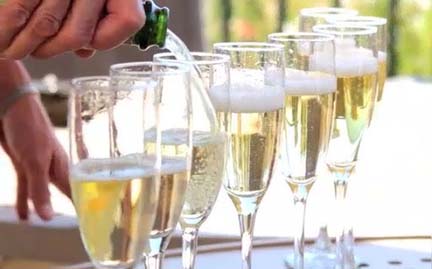
Charles LaFitte Brut Prestige NV ($12, purchased, 12%): Entry-level French Methode Champenoise sparkling from a prestigious producer, but made far from Champagne. Yes, there is a bit of the 7-Up feel to it, but otherwise well-made cheap bubbly — some green apples, tight bubbles, and almost zesty. Imported by Vranken Pommery America

Photo: TFNY18_074c” by BAS Photog is licensed under CC BY-ND 2.0.

More Fourth of July wine:
Fourth of July wine 2021
Fourth of July wine 2020
Fourth of July wine 2019
Wine of the week: Bonny Doon Picpoul 2021

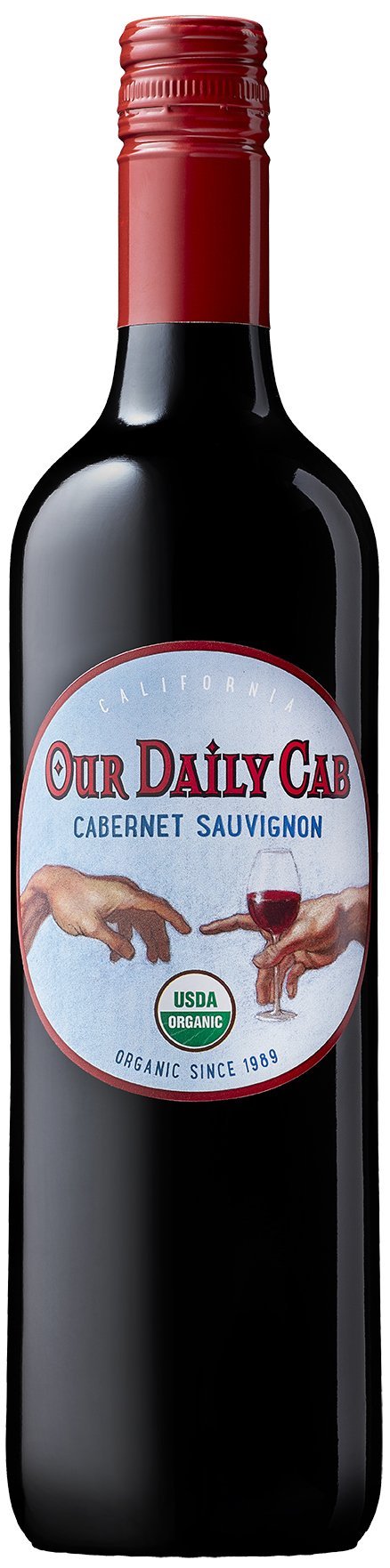
Wine of the week: Our Daily Cab 2020

Our Daily cab bottle
Our Daily Cab 2020/$7.50-$13

How about a $10 California cabernet sauvignon that tastes like cabernet sauvignon?

A blog reader told me about the Our Daily Wines several years ago, and its red blend has appeared as the wine of the week a couple of times. Somehow, the winery does something that the experts say is impossible in California — it makes quality cheap wine that tastes like wine.

No, these are not high-end Napa or Bordeaux reds, and no one will wax poetic about them in the Winestream Media. But those of us who want an honest, professionally made red wine for dinner will be more than happy.

The 2020 version of Our Daily Cab ($10, purchased, 12.5%) does exactly that – and is much more interesting that I thought it would be, given how difficult it is to make drinkable caberent sauvignon at this price.

It’s a little softer than the red blend, which was surprising, but that’s an advantage. And, save for the fake oak, which it doesn’t need quite so much of, it’s a fine wine (even organic and sulfite-free). There’s some cabernet fruit (plum? cassis?), plus soft tannins and acidity. In this, it’s mostly balanced, something else that’s not easy to do with cabernet at this price.

In this, the wine is much better than it has a right to be. This is summer grilling wine, and just the thing for burgers and brats.

A couple of notes: the 2021 has been released, with a different label, and this is also available in a 1.5 liter box.