







Wine history lesson 5: Big Wine’s forebear — the infamous California Wine Association
 by Wine Curmudgeon Posted On
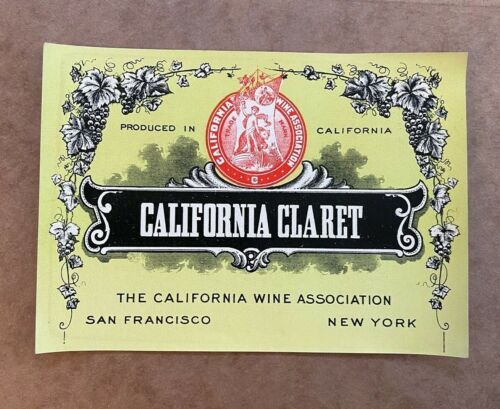
The 19th century wine cartel controlled more than 80 percent of the state’s wine business
Those of us who worry about the future of the wine business wring our hands and cast our eyes upwards every February, when the new top 50 wineries list is released. Each year, it seems that wine gets more and more top heavy, with just a handful of companies controlling 90 percent of U.S. production.
But imagine how much hand wringing we would have done at the end of the 19th century, when a cartel called the California Wine Association controlled 84 percent of the California wine business.
I touched briefly on the CWA in the cheap wine book, noting the wine boom in California that saw production increase five-fold in the 30 years or so before Prohibition. The boom, though, came at a heavy cost to everyone but the cartel, which controlled prices up and down the wine supply chain. It low-balled growers, who had no market for their grapes if they didn’t sell to the CWA, and it gouged retailers across the country, who didn’t have any wine to sell if they didn’t pay the CWA’s prices.
Best yet, as the noted wine writer Paul Lukacs wrote, the CWA didn’t particularly care about wine. It just cared about profit. Its organizer, wrote Lukacs, was an Englishman named Percy Morgan, who “did not much care who drank the wines, or what kind of wines they drank. His goal above all else was profit, and he clearly realized it.”
Frankly, the parallels to today’s 21st century wine business are more than a bit spooky:
• The seven wine companies that formed the CWA knew what they were doing was probably illegal; the Sherman Anti-Trust Law has just been passed. But they did it anyway. According to one historian, the wine business was in such a mess after the economic turmoil caused by the Panic of 1893 that it seemed the only way to save it.
• The cartel apparently stabilized California’s wine business and led to the previously mentioned wine boom, But it wasn’t much of a boom. In 1910, the average American drank 10 times more beer than wine, and most of the wine they did drink was imported from Europe.
• Prohibition, not surprisingly, destroyed the CWA. In 1920, there were 2,500 commercial wineries in the U.S.; less than 100 made it through Prohibition. The CWA understood what Prohibition would do, and made some attempt to market non-alcoholic wine – but with little success. Cue the Twilight Zone music.
More wine history lessons:
• Wine history lesson 4: Those damned high prices
• Maynard Amerine on quality, price, and value
• Wine history lesson 3: Bring on the French wine!