







“Something can be done about wine prices”
Some 50 years ago, when higher wine prices were “making many knowledgeable wine drinkers unhappy,” a writer named Robert McDermott suggested we buy certain wines – first, before they became popular, and second, from less well-known regions of the world to save money.
Sound familiar?
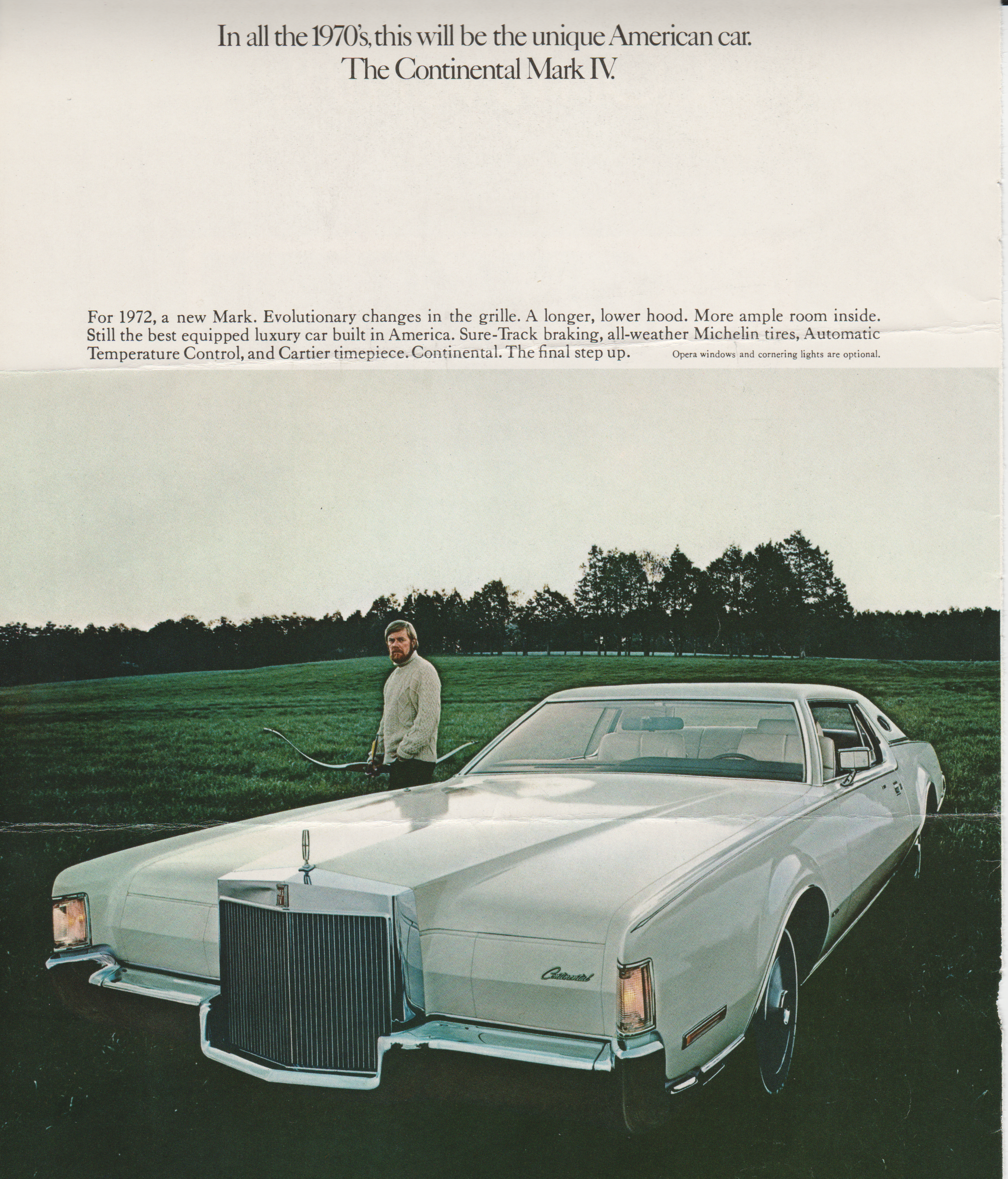
The story (this is the link to it) appeared in the Winter 1971-72 issue of a magazine called The Continental, which was distributed at what were then Lincoln-Mercury dealerships. As such, it focused on high-end wines, which even in 1972 – as McDermott notes – were out of reach of most wine drinkers. He cites $250 for a 1959 Hau-Brion (which costs 16 times that now).
Some of the piece is truly dated — $10 for Pommard, a red Burgundy, seems like a steal even then. But most of it makes as much sense today:
• “Exceptional bargains are uncommon among the well-known wines of Bordeaux and Burgundy.” Indeed. A very ordinary bottle of red Bordeaux costs $20 and Burgundy prices are even more out of whack.
• “A premium, large or small, is paid for the stature of French wines.” He suggests buying Italian sparkling instead of Champagne, which was such good advice that it’s one of the reasons for the popularity of Prosecco.
• He was an advocate for California and Chilean wines long before the rest of the world caught on, especially praising California’s cabernet sauvignon. Ironically, the four brands he mentions are mostly gone, gobbled up Big Wine (though Charles Krug is still making fine wine).
Ironically, McDermott also foresees the growth of Liv-Ex and the secondary wine market, where bottles are traded likes stocks and bonds. “The art of pleasurable and profitable wine buying in some ways parallels trading in securities. There are blue chips and there are wildly speculative issues.”
The only difference? There are no wildly speculative wines any more. They’re all expensive.
A tip o’ the WC’s fedora to John Bratcher, who found the story.
More wine history lessons:
• Wine history lesson 8: The evils of drinking
• Wine history lesson 7: When drinking alcohol was a good thing
• Wine history lesson 6: Was this California fortified wine one of the state’s first post-Prohibition efforts?




 Are wine prices going do something rational, given continuing decreased demand and increasing supply?