







Wine prices 2022
 by Wine Curmudgeon Posted On
Wine prices 2022 are a conundrum – a riddle wrapped in a mystery inside an enigma
This is the first of two parts looking at wine prices and wine trends in 2021. Part I: Wine prices 2022. Part II: Wine trends 2022.
One of the most basic rules of writing? Don’t say at the beginning of your piece that it isn’t worth reading – because, then, why would anyone bother?
But as I pieced together all the bits that would go into the blog’s 14th annual (more or less) wine price trends post, I realized that no one has any idea what wine prices will do – even those who are supposed to. That’s because we’re in an unprecedented economic environment, where everything going on – pandemic, supply chain, inflation, and all the rest – have never really happened at the same time before.
Nothing illustrates this better than an analysis from Chris Bitter of Vintage Economics, titled, “Has Premiumization Peaked?” and which concludes that maybe it has and maybe it hasn’t. I note this not to criticize Bitter or his piece, but to reiterate that almost no one is sure about what will happen.
So, as best I can, a look at the various of factors tugging wine prices in various directions. How the tugging will work out is anyone’s guess:
• A grape glut, which no one will actually call by that name. Yes, we’ve heard about reduced harvests in parts of Europe and in New Zealand, but there are way too many grapes – way, way too many – elsewhere in the southern Hemisphere. And California has been chugging along, too, producing near-record harvests even in “down” years. So too many grapes, which means prices should go down.
• Continuing demand for some high-end grapes, like cabernet sauvignon and chardonnay, and for some high-end wines, which puts pressure on prices in the other direction. If I need cabernet for $25 and $30 wine, there will be less of it available for $15 wine and which will raise the price.
• Lots and lots of wine sitting in warehouses. I wrote about this a couple of years ago, and there has been no sign that there still isn’t lots of wine sitting in warehouses. So too much inventory, lower prices.
• The 1 percent scarfing up all the ultra-premium wine they can find, which has led to higher prices all the way down the prestige chain. Hence, the $10 Chateau Bonnet red Bordeaux costs $20 – not because it’s worth it or even because of premiumization, but because the 1 percent have bid up the prices of the most exclusive Bordeaux wines, and those wines have dragged the rest along with them.
• Decreased consumption, by any measurement. Plus, restaurant wine sales have not returned to anywhere near normal. So pressure on prices going down.
• Continuing wholesaler consolidation, with two more significant deals in the past couple of months. This may be the most important factor keeping prices higher, given the over-sized role wholesalers play in the U.S. system. The top four or five control so much of the market – maybe two-thirds now – that they can wiggle around the law of supply and demand. Or, as a very smart person wrote me, “The big wholesalers are ignoring all the problems through mergers and acquisitions. Why bother growing the consumer base when it is much easier to just buy someone else’s consumers? Expansion is expansion, even if it is at the detriment of the industry as a whole. They’ll just keep carving up the market pie into bigger and bigger slices for themselves, even though the pie is getting smaller.”
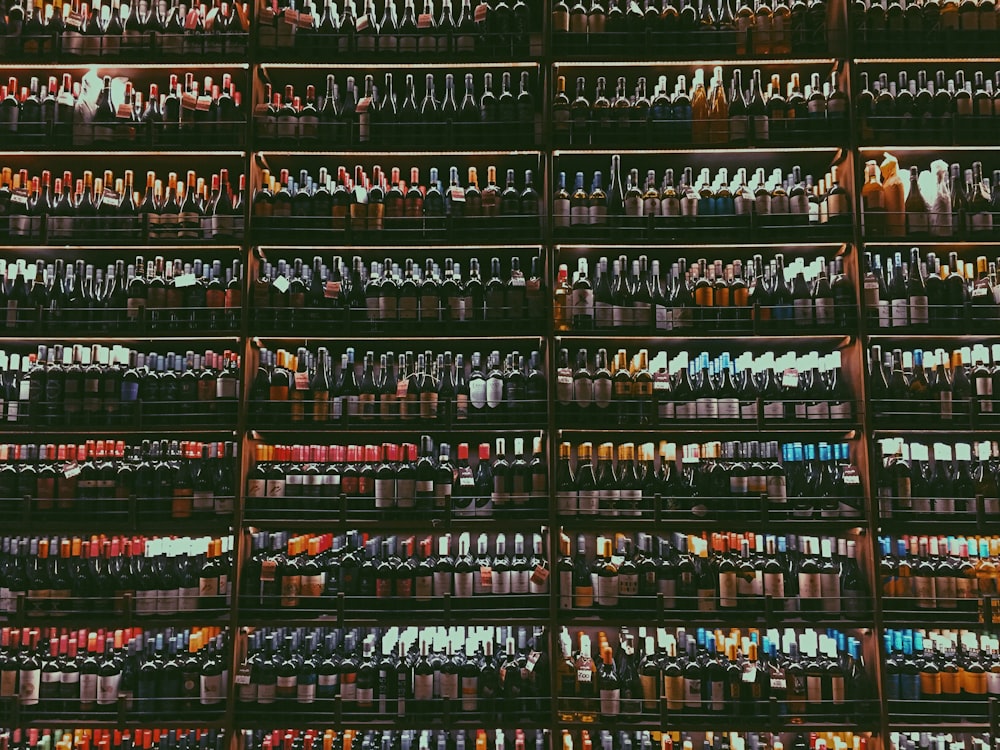
Photo: brandy turner on Unsplash
More about wine prices:
• Wine prices 2021
• Wine prices 2020
• Wine prices 2019