Tag Archives: red blends

Wine of the week: d’Arenberg The Stump Jump Cabernet Sauvignon Merlot Petit Verdot 2019

d'Arenberg The Stump Jump Cabernet Sauvignon Merlot Petit Verdot 2019
Wine of the week: d’Arenberg The Stump Jump Cabernet Sauvignon Merlot Petit Verdot 2019/$10-$18

Yes, that’s really the wine’s name – and it’s worth every syllable

Once again, Australian wine – once the scourge of all we stand for here on the blog – comes the rescue of those of us who are tired of paying too much for wines that are boring and bland.

The d’Arenberg The Stump Jump Cabernet Sauvignon Merlot 2019 ($13, purchased, 14%) may have one of the most awkward names of any wine that isn’t Italian. And, no, I don’t know why it isn’t called something simpler, like “red.” But regardless of name, it’s a tremendous wine – both for quality and value.

Frankly, I have no idea how d’Arenberg did this. Yes, it is a fine producer, and the company’s wines have been on the blog several times over the past couple of years. But this red blend is a stunning wine that somehow — and at this price — is herbal, rich, full, and even a little spicy. It’s made with the grapes used in red Bordeaux in France, but there is an entirely Australian – and enjoyable – spin on the grapes.

Look for lots of red fruit (cherry, currants?) as well as terrific fine-grained tannins. And it’s not hot – the alcohol is not only surprisingly low for an Australian wine, but it’s balanced. And the bit of petit verdot (about 15 percent) seems to be the secret weapon, lending it an edge other wines might not have.

Highly recommended, and certain to make the Hall of Fame next year, as well to be one of the wines I taste again when it comes time to pick the 2023 Cheap Wine of the Year.

Imported by Old Bridge Cellars

Wine of the week: Badenhorst The Curator Red 2020

Badenhorst The Curator Red label
Badenhorst The Curator Red 2020/$10-12

One more South African wine that shows its producers care about value and quality

Several years ago, a South African wine trade group official told me his country needed to premiumize – focus on selling more expensive wines in the U.S.

Boy, am I am glad so many producers in South Africa ignored that advice.

The most recent example is Badenhorst’s The Curator Red 2020 ($12, purchased, 14%), a red blend that has about half cabernet sauvignon and is rounded out with shiraz, cinsault, and grenache. It’s not exactly a Rhone blend knockoff, not with all that cabernet, but the effect is sort of the same: A big wine, with lots of dark fruit (blackberries and almost plums?) and hearty, but not unpleasant, tannins. And, somehow, a little rustic, so no one will confuse it with one of those supermarket red blends that is so smoooth.

In other words, just what we look for on the blog – an everyday wine that offers much more than it costs. It needs food, but that’s not a problem – burgers during the week, barbecue during the weekend, and pizza when you don’t feel like cooking.

Imported by Broadbent Selections

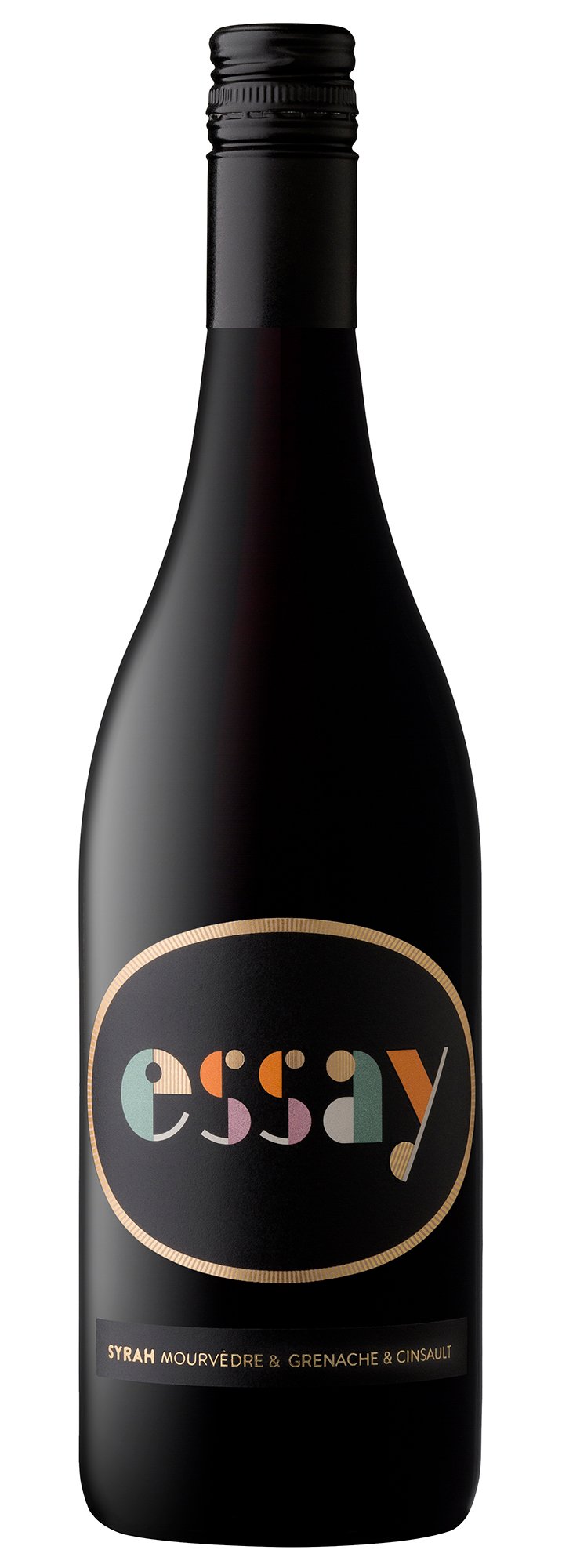
Wine of the week: Essay Red Blend 2020

Bottle of Essay red blend
Essay Red Blend 2020/$10-$18

This is one more South African label that points to the country’s wine resurgence

Essay is a South African wine brand (S.A. — get it?) from the same company that makes the top flight MAN Family wines. So buying this sight unseen was not a stretch.

That’s because the Essay red blend 2020 ($12, purchased, 13.5%) is all a great cheap wine should be – not stupid, much more than simple, varietally correct, and speaking to where the wine is from.

In this case, that means a red blend (a little more than half syrah, plus more or less equal amounts cinsault, grenache, and mouvedre) that is funky, dark, and rustic – and surprisingly satisfying. In other words, a very South African take on a classic French Rhone red.

The fruit is almost plummy, and there might be a bit of spice tucked in there somewhere. The tannins are soft, but they are there (as they should be). Perhaps most impressive: the acidity is in balance, which is not easy to do with this style of wine and especially at this price.

Highly recommended, and a candidate for the 2023 Hall of Fame. It’s light enough for summer drinking and is spot on for almost any red meat on the grill. The white, a chenin blanc blend, is also well worth drinking,

One note: The wine apparently has a variety of names, including Essay Shiraz and Essay Syrah.

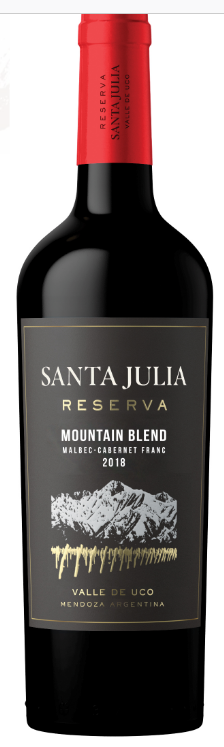
Wine of the week: Santa Julia Reserva Mountain Blend 2019

 Santa Julia Reserva Mountain Blend 2019 bottle
Santa Julia Reserva Mountain Blend 2019/$10-$16

Once again, the snobs try to ruin a terrific wine for the rest of us

This wine, as well-made an Argentine red blend as I’ve tasted in years, was criticized on CellarTracker (the blog’s unofficial wine inventory app) for being too alcoholic.

Its alcohol? 13.9 percent. Would that all those 14.5 percent chardonnays I have to taste had that little alcohol in them.

So, once again, a wine that doesn’t taste the way someone has decided that it should taste instead of letting the wine be itself — gets ripped. Is it any wonder that I worry about the future of the wine business?

Know that the Santa Julia ($12, purchased, 13.9%) is an Argentine red with about two-thirds malbec; the rest is cabernet franc. The combination works: The latter gives the the malbec some structure and a little licorice, while the former provides lovely, rich, and ripe fruit (plums, some jammy berries?). Plus, it has enough tannins and acidity to taste like a red blend, and not a syrupy and thick supermarket malbec.

Highly recommend, and a candidate for the 2023 Cheap Wine of the Year (plus the Hall of Fame). This wine is light enough for summer barbecues, but would also hold its own with something more formal. Santa Julia, long a terrific producer of wine that most of us can afford to buy, continues to do just that.

Imported by Winesellers Ltd.

Wine and food pairings 16: Couscous mushroom sort of risotto

mushroom risotto
This is what mushroom risotto looks like with arborio rice. Churro, the blog’s associate editor, forgot to take the picture for the post.

The Wine Curmudgeon pairs wine with some of his favorite recipes in this occasional feature. This edition: three wines with a mushroom risotto, but made with pearl couscous

The Wine Curmudgeon loves couscous. It’s cheap, it’s easy to make, it’s versatile, and it tastes good. I like it so much, in fact, that a friend who comes to dinner once asked: “What’s wrong? We’re not having couscous?”

I don’t do as much with the larger, pearl or Israeli-style couscous. For one thing, it’s not always easy to find in Dallas. For another, it’s not as versatile. But I did notice that, after it’s cooked, the larger couscous resembles short-grain and arborio rice. So why not try something risotto-like? (And not actual risotto, since that can only be made with arborio rice).

Hence, this recipe. I used button mushrooms, but adding dried mushrooms (and their soaking liquid) would work, too. It takes about one-quarter of the time of traditional risotto, and there isn’t any stock spooning or continual stirring. It’s not as creamy as the real thing, but it’s creamy in its own way.

Click here to download or print a copy of the recipe. What wines to pair? Pasta-friendly reds, of course, since the mushrooms make this almost beefy:

• Frescobaldi Rèmole Toscana 2019 ($10, purchased, 12.5%): Classic cheap Italian Chianti-style wine — lots of sour cherry fruit, tannins pushed to the back, and an almost interesting finish. Needs food like the couscous. Imported by Shaw-Ross International

• CVNE Cune Crianza 2017 ($12, purchased, 14.5%): This Spanish tempranillo isn’t as well rounded as some others, but still professional, varietally correct, and a fine value. It’s a little oaky and the cherry fruit is more ripe, but neither is a problem. Imported by Arano LLC

• Banfi Col di Sasso 2019 ($10, purchased, 13.5%): Softer and fruitier (red berries and cherries), with more relaxed tannins than Banfi’s Centine, but still a fine value and still very Italian. Imported by Banfi Vintners

Blog associate editor Churro contributed to this post.

More about wine and food pairings:
• Wine and food pairings 15: Southwestern-style stew with guacamole and pico de gallo
• Wine and food pairings 14: Mom’s chicken parmigiana
• Wine and food pairings 13: Crawfish etouffee

Slider photo: “Rome Elite Event: wine, food and nice people” by Yelp.com is licensed under CC BY-NC-ND 2.0

Wine and food pairings 15: Southwestern-style stew with guacamole and pico de gallo

Artus Wolfaerts - Man Cooking Sausages
I’m cooking these sausages because the WC, once again, neglected to take a picture for this blog post.

The Wine Curmudgeon pairs wine with some of his favorite recipes in this occasional feature. This edition: three wines with a Southwestern-style stew, made with odd cuts of beef and pork.

The pandemic left me with some odd meat in the freezer – a package of beef short ribs with just three ribs, and what are you supposed to do with just three short ribs? There were also two of the saddest thinly sliced pork chops on record, maybe one-quarter of an inch thick at the thickest.

In other words, nothing I could make by itself that would actually be worth eating. So why not cook them together?

And the blog’s Southwestern-style stew was born.

Obviously, you can make this with just short ribs or just pork (shoulder, certainly) or even beef chuck, but it turned out exactly as I hoped. What makes this work is turning the pan drippings into a gravy with an immersion blender. You don’t lose any of the flavor and there’s no sauce-making aggravation.

I served the stew over Israeli couscous and topped each serving with a scoop of pico de gallo and guacamole. Store bought is OK, but it’s better and not that much work to make your own.

Click here to download or print a copy of the recipe. What wines to pair? Fruity reds to stand up to the spices, plus rose, because that’s one of the things rose does so well:

• Henry Fessy Gamay Noir 2020 ($12, purchased, 13.5%): I served this with the stew and it was spot on. This vintage is a little spicier and less ripe than the 2019, but still well done and enjoyable, with quality red fruit. Imported by Louis Latour

• Santa Julia Malbec Organica Rose 2020 ($10, purchased, 13.5%): This Argentine pink, a long-time blog favorite, is as it always is — crisp, a bit tart, a bit stony, and with strawberry fruit. Imported by Winesellers Ltd.

• Funckenhausen Red Blend 2020 ($15/1-liter, purchased, 13.9%): Funckenhausen, an Argentine producer, does several 1-liter wines made for everyday drinking. And it’s not damning with faint praise to say this wine, mostly malbec, is not the best; rather, it’s still professional and well made and perfect for this dish. Some berry fruit, a little tart, and not too soft. Imported by Global Vineyard Importers

Blog associate editor Churro contributed to this post.

More about wine and food pairings:
• Wine and food pairings 14: Mom’s chicken parmigiana
• Wine and food pairings 13: Crawfish etouffee
• Wine and food pairings 12: Hot dogs

Photo: “Artus Wolfaerts – Man Cooking Sausages” by irinaraquel is licensed under CC PDM 1.0

Slider photo: “Rome Elite Event: wine, food and nice people” by Yelp.com is licensed under CC BY-NC-ND 2.0

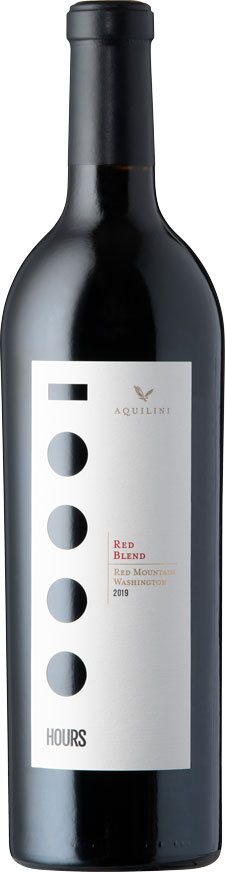
Expensive wine 152: 10000 Hours Red Blend 2018

10,000 Hours 2018 Red Blend
10000 Hours Red Blend 2018/$28-$32

This Washington state red blend shines on several levels, and especially when it comes to value

The Wine Curmudgeon drank this wine with someone who dislikes too big, over-hyped, over-made and over-done wines even more than I do. And her conclusion: “Put this on the blog!”

So the 10000 Hours Red Blend 2018 ($30, sample, 14.5%) is here, and not only because it’s well made and speaks to its Washington state terroir, but because it offers terrific value. How often do we find a $30 wine that will age for a decade?

Because the 10000 Hours, more cabernet sauvignon than anything else, will. It’s a big wine, but not so big that you need to take a nap after a couple of glasses. It holds its high alcohol quite well, and is much more balanced than I expected.

Having said that, it’s not especially subtle, but rich, direct and full. That means lots and lots of berry fruit (the winery’s tasting notes say preserves), a bit of spice and oak, enough tannins to remind you they’re there, and some nice green herbs on the finish. It’s a food wine, certainly – big red meat, as well as stews.

And, for those of you who keep track of these things, the exact blend: 56 percent cabernet, 32 percent merlot, 7 percent petit verdot, 3 percent malbec, and 2 percent cabernet franc.