 Sweet red wine: It’s time for the wine business to admit it’s sugaring up our red wine and passing it off as dry.
The Wine Curmudgeon has been writing a wine of the week on Wednesday, alternating red and white, for as long as I have been doing the blog. But we almost didn’t have a wine of the week two days ago. Call it my aversion to phony sweet red wine.
I tasted almost a dozen reds from California, Oregon, Washington, Spain, and France to find something to write about. No luck: Most of them weren’t very good and some of them were hideous, a recent trend. What was worse is that more than half of them were sweet. Yes, sweet red wine – as in enough residual sugar so that my mouth had that cotton candy feeling after I finished tasting.
It’s one thing to taste so much bad wine; that’s the burden I accepted when I took on cheap wine. But that the wines are sweet, in addition to poorly made, is a new horror, and one that I refuse to accept.
Red wine, unless it’s labeled as such, is not supposed to be sweet. If it is, it’s Kosher. Or Lambrusco. And that’s fine. I have nothing against sweet red wine, and have enjoyed all sorts over my wine drinking career. But that the wine business – and Big Wine is not the only culprit here – has decided to “smooth” dry red wine by extreme winemaking or sweetening (sugar or white grape juice or whatever, depending on the law in the country where the wine is made) is a travesty. And I refuse to accept it.
Why is this happening? It’s a combination of things, based on the idea that labeling red wine as sweet is death in the marketplace. Didn’t the wine business spend 30 years telling us that the only people who drank sweet wine were crazy old ladies with cats? So we get “red blends” that are hugely sweet but are sold as dry to appeal to the rest of us. And that are flooding store shelves.
Consider:
• The idea that there is an “American palate,” in which we won’t drink something unless it has enough sugar to make us cry rock candy tears. This makes me crazy, since most wine in the U.S. is dry and has been for decades. And everyone made a lot of money over the past 30 years selling dry wine.
• Copy cat marketing. E&J Gallo’s Apothic, the first legitimate sweet red blend, is a huge seller. So everyone else has to have their version of Apothic.
• The cynicism that has become part of doing business in the 21st century. We’re not wine drinkers to them; we’re vast hordes of focus groups to be manipulated in search of profit. This story bears repeating: A former Proctor & Gamble executive once told me he could get a focus group to do anything he wanted – which, he said, was the point of focus groups.
So be warned, wine business. I won’t mention any names now. I’ll give you one more chance. But know that from now on: If the wine is sweet, and you don’t label it sweet, I’m calling you out. I’ll have a permanent post here, listing the wines. And yes, I’m just one cranky wine writer. But we have to start somewhere.










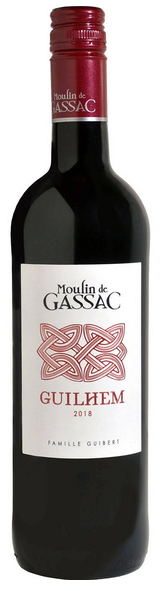
 The Shannon Ridge Wrangler Red is what we don’t see often enough – great, cheap California red wine
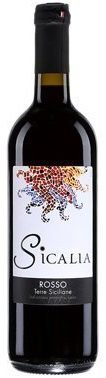 The Sicalia Terre Siciliane isn’t very Sicilian, but it’s still worthwhile when you need a red wine for a weeknight dinner
 The 2018 Our Daily Red is a step up from the last vintage – less rustic and a touch fruitier

 Wine trends in 2016? Expect to see consolidation continue, producers continue to aim at the consumer smooth tooth, and retailers focus even more on private label. And, not surprising given all of this, more of us move away from wine in favor of craft beer:
 ? Expensive wine prices: Or,