

Category:Rose wine

Thanksgiving wine 2018

thanksgiving wine 2018Four Thanksgiving wine 2018 suggestions

The Wine Curmudgeon looks forward to Thanksgiving like no other holiday. When else do families and friends get to share lots of wine and good food without worrying about money, showing off, or big-screen plasma TVs? Instead, it’s about being thankful that we can be together to enjoy the holiday. The blog’s guidelines for holiday wine buying are here.

This year’s Thanksgiving wine 2018 suggestions should get you started:

• Toscolo Vernaccia di San Gimignano 2016 ($14, purchased, 12.5%): Another winner from the Italian Wine Guy. This white, made with the vernaccia grape, is delightful, if a little simple. Look for peach fruit, some almond spice. and white flowers. A turkey wine par excellence. Imported by Empson USA

• Fantini Farnese Rosato 2017 ($10, purchased, 13%): This Italian pink wine, part of the always reliable Fantini brand, is a little darker than other roses (black cherry fruit?), but still fresh and delicious. Highly recommended — all $10 rose should be this well made. Imported by Empson USA

• Domaine de L’Ameillaud Côtes du Rhône 2015 ($17, purchased, 13%): This French red blend (a little more than half grenache) is competent, professional, and well-made, showing how round and interesting this kind of wine can be. Look for black fruit and soft tannins – another excellent turkey wine. Imported by Dionysus Imports

• Carpenè Malvolti Rosé Cuvée Brut ($17, sample, 12%): Nicely done Italian rose sparkling that’s not Prosecco, so it’s a little sturdier in style and bubbles, without Prosecco’s softness. Plus, there is nice pinot noir fruit (cherry and strawberry?). Imported by Angelini Wine

More about Thanksgiving wine:
• Thanksgiving wine 2017
• Thanksgiving wine 2016
• Thanksgiving wine 2015
• Wine of the week: Feudo Arancio Stemmari Grillo 2017
• Expensive wine 113: Justin Cabernet Sauvignon 2016

Mini-reviews 114: Aldi wine, Muga rose, Vigouroux, Dos Almas

aldi wineReviews of wines that don’t need their own post, but are worth noting for one reason or another. Look for it on the fourth Friday of each month.

• Sunshine Bay Sauvignon Blanc 2017 ($7, purchased, 12.4%): This is how dedicated the Wine Curmudgeon is – I still buy Aldi wine even though I haven’t tasted one worth recommending in years. This New Zealand white is another disappointment, no different than any $7 grocery store Kiwi Zealand sauvignon blanc — almost raw grapefruit flavor and nothing else.

• Muga Rosado 2017: ($15, purchased, 13.5%): One of the drawbacks to the rose boom – this Spanish pink increased in price by one-third. This vintage is much better than 2016, with clean and refreshing berry fruit and that wonderful rose mouth feel. But $15 – and as much as $18 elsewhere – is a lot of money to pay for $12 of quality. Imported by Fine Estates from Spain

• Georges Vigouroux Gouleyant Malbec 2016 ($10, purchased, 13.5%): Surprisingly disappointing French red from a top-notch producer. It’s mostly tart in an old-fashioned, not good way, and without any earthiness or plummy malbec fruit.

• Zonin Dos Almas Brut NV ($12, sample, 12%): This Argentine bubbly is too soft and too sweet for brut. Plus, it’s decidedly dull, with simple structure and bubbles. There are dozens of sparkling wines in the world that cost less and taste better. Imported by Zonin USA

Wine of the week: Ken Forrester Petit Rose 2018

Ken Forrester petit roseThe Ken Forrester petit rose may be the best rose no one has ever heard of

There’s no easy way to say this, so here it is: The Ken Forrester petit rose is a brilliant wine, consistent from year to year, and a tremendous value. But good luck trying to buy it, given the failures of the three-tier system.

In fact, the Ken Forrester petit rose ($10, purchased, 12.5%) is one of several top-notch wines from this outstanding South African producer that are difficult to buy in the U.S. Why? Because it’s South African wine, hardly the darling of the distributors or retailers; because Forrester isn’t a big winery; and because the winery has had importer problems for at least as long as I have been writing about it.

In a perfect world, where we could buy wine the way we buy pants and computers, none of that would matter. But since wine has the three-tier system, we have to make do. Which is a shame, because the rose is everything a great pink wine should be.

Look for strawberry aromas, but not the syrupy, overdone kind that poorly made roses sometimes show. There is fresh, just ripe raspberry fruit flavor, and the finish is precise and almost stony. All in all, the kind of wine to buy again and again. Highly recommended, and a candidate for the 2019 $10 Hall of Fame.

Ask the WC 17: Restaurant-only wines, local wine, rose prices

restaurant-only winesThis edition of Ask the WC: Are there wines sold only in restaurants, plus local wine’s success and the cost of rose

Because the customers always have questions, and the Wine Curmudgeon has answers in this irregular feature. You can Ask the Wine Curmudgeon a wine-related question by clicking here.

Hey Wine Curmudgeon:
What can you tell me about wines sold only in restaurants? I’ve seen restaurant-only wines that I don’t see in any retailers. Why is that?
Dining out

Dear Dining out:
Yes, there are wines sold only in restaurants. No, there isn’t a simple explanation about how this is possible, given the requirements of the three-tier system. There are two kinds of restaurant-only wines — those made exclusively for specific chains (our old pal private label), and those the producer decides to sell just to restaurants. The latter are often more expensive and are usually sold by the glass. The theory is that there will be more demand in restaurants for those kinds of wines than there would be in stores. None of this, of course, explains why restaurant wine prices and markups remain ridiculously high.

•

WC:
You keep writing that local wine has been a huge success. I don’t see it — I know I can’t buy wine from other states besides California in my local store. What am I missing?
Drink Local

Dear Drink Local:
The very fact that you’re asking this question speaks to local wine’s success. How many people would have know quality wine was made in the other 47 states 10 years ago? That you can’t get anything else speaks to the distribution problems plaguing wine more than the popularity of local wine.

•

Hey WC:
Someone left a comment the other day about the price of rose, that it was more expensive than $10. I’m seeing the same thing. Where are you finding $10 rose?
Drinking pink

Dear Pink:
The majority of $10 roses I buy are from quality specialty stores and independent retailers. I agree — it’s not easy finding $10 rose in grocery stores, given the phony pricing model that supermarkets use. So, if you can buy from other retailers, do so. Otherwise, you’re buying $1) wine marked up to $18 and then put on sale for $12.

More Ask the Wine Curmudgeon:
• Ask the WC 16: Grocery store wine, Millennials, canned wine
• Ask the WC 15: Wine consumption, wine refrigerators, wine tastings
• Ask the WC 14: The wine availability edition

Four things to know about the rose boom (and that don’t have anything to do with Instagram or memes)

rose boomThe rose boom isn’t about Instagram and memes; it’s about quality wine at a fair price
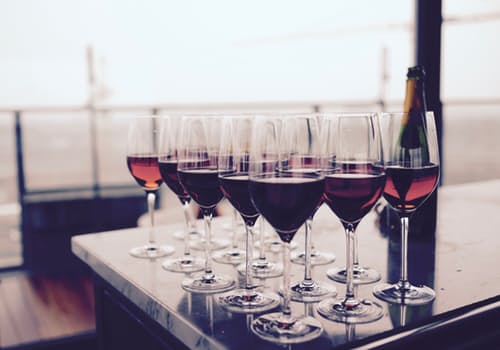
Listen to the wine wise guys, and the rose boom is about “rose all day” and Instagram posts. Of course, these are the same people who didn’t catch on to pink wine until it was already a hit. Given that, why should we believe anything they say?

So here are are four things to know about the rose boom that don’t have anything to do with Instagram or memes – but show that wine drinkers know value when they see one. Which explains rose’s continuing popularity more than all the hype and the glitter in the Hampton’s.

Consider:

• There’s so much demand for rose that some retailers and distributors are trying to sell old, worn out junk, figuring we’re not smart enough to know the difference. I’m seeing more and more of this, with pink wines as old as 2013 and 2014 finding their way to store shelves. Remember, if a rose is more than 18 months old, it’s probably not worth drinking.

• We’re buying $10 rose, no matter that our betters are telling us we’re supposed to spend more. In the 52 weeks between April 2017 and April 2018, we bought five times as much $10 rose as we did $20 rose. In fact, rose costing $10 or less accounted for almost 60 percent of sales over that period. Suck on that, premiumization.

• Overall, reports the same study, U.S. wine sales remain flat. But rose sales increased 53 percent from 2017 to 2018. So consumers, given the choice between buying quality $10 rose or overpriced $18 wine, are buying quality $10 rose. Why isn’t anyone noticing this?

• Millennials don’t drink the most rose; it’s still the province of older wine drinkers, according to the Wine Market Council. This makes perfect sense if you look at overall wine consumption, where Millennials are generally at the bottom of the list. But wine industry hype rarely makes perfect sense or any sense at all.

Mini-reviews 113: Cusumano, Pace Rosanebbia, Torremoron, La Bastide

cusumanoReviews of wines that don’t need their own post, but are worth noting for one reason or another. Look for it on the fourth Friday of each month

• Cusumano Insolia 2016 ($11, purchased, 12.5%): This Sicilian white, made with the native insolia grape, is heavier and more chardonnay like this time, without the freshness and citrus of past vintages. But what do you expect when some PR type describes the wine like this: “… a sensuality that could only be born under the Sicilian sun.” Imported by Terlato

• Azienda Agricola Pace Roero Rosanebbia Vino Rosato 2017 ($20, sample, 14%): This Italian pink wine, made with nebbiolo, is rose for people who only drink red wine – hot, tannic, and bitter.

• Torremoron Ribera del Duero 2016 ($13, sample, 14%): Well-made Spanish tempranillo from the Ribero del Duero that isn’t too heavy or too rich or too un-tempranillo. It’s the ideal wine for someone who wants something with more heft than Rioja, but doesn’t want to break the bank. Imported by Ole Imports

• La Bastide Saint-Dominique Côtes du Rhône 2016 ($18, purchased, 13.5%): A well-made, competent, and enjoyable red blend from France’s Rhone that tastes exactly like it’s supposed to – rich, fruity, a little earth. But it costs $5 more than it’s worth. Imported by Europvin USA

Labor Day wine 2018

labor day wine 2018Four value and quality-oriented bottles to enjoy for Labor Day wine 2018

What’s a Labor Day wine? Wine that takes the edge of the heat (it will be mid-90s in Dallas, fairly normal), suitable for porch sitting, picnics, and barbecues. In other words, light wines for warm weather.

These four bottles are fine start as part of Labor Day wine 2018:

• La Fiera Pinot Grigio 2017 ($10, purchased, 12%): This Italian white wine is almost always worth drinking, a step up from grocery store pinot grigio (a little lemon fruit to go with the tonic water). This vintage is certainly that, and almost Hall of Fame quality. Imported by Winesellers Ltd.

• Matua Pinot Noir Rose 2017  ($12, sample, 13%): Big Wine at its best — Fresh and tart berry fruit, plus a crispness I didn’t expect from a company that is one of the largest in the world. If not a little choppy in the back, it’s a candidate for the Hall of Fame. Imported by TWE Imports

• Moulin de Canhaut 2014 ($10, purchased, 13%): This French red Bordeaux is everything cheap French wine should be — simple but not stupid, earthy, and just enough tart black fruit. It’s also an example of how screwed up the wine business is, that someone would send me a sample of a wine that may not be available in the U.S.

• Naveran Brut Rosado 2016 ($15, sample, 12%): This Spanish bubbly is one of the world’s great sparkling wines, a cava that compares favorablly to wines costing two and three times as much. Clean and bright, with more citrus than berry flavors.  Highly recommended.

For more about Labor Day wine:
• Labor Day wine 2017
• Labor Day wine 2016
• Labor Day wine 2015