






Do wine drinkers really care about the trends that the marketers say we care about?
 by Wine Curmudgeon Posted On
Not really, says one survey, citing little interest in cans, “healthy wine,” and organic wine
One of the problems with deciphering the wine business is that there is almost no good data. If we don’t even know for sure how much wine is sold in the U.S. each year (and we don’t, apparently), then how can we know what’s going on with even more abstract concepts?
I mention this because I’ve spent much of the past couple of months writing about wine trends, both here and for several freelance pieces. Those trends included “healthy” wine, canned and box wine, and organic wine, and how each will be key parts of the wine business this year.
Turns out I may have been wasting my time.
That’s because the Wine Opinions consultancy recently asked its group of mostly high-frequency wine drinkers (those who drink wine at least once a week) about canned wine, wine that is “better for you,” and wine made with organic grapes. The results were stunning:
• Organic grapes: Just 9 percent said they would buy more wine made with organic grapes this year.
• “Better for you” wine did even more poorly – only 5 percent said they would buy more wine marketed as “healthy.”
• And cans and boxes? Hardly worth mentioning, with only 3 percent saying they would more wine in cans, while potential box purchases were more or less flat for 2022.
What’s going on here? How can these results be so different from what the experts have told us is going on?
The answer, I think, rests with the highly conservative nature of all those high-frequency wine drinkers. If it doesn’t come in a 750-ml bottle with a cork-style closure, then they’re not especially interested in it. And many of the wines in the survey are certainly not of the 750-ml glass bottle variety.
Age didn’t even particularly matter, save for the organic and healthy categories. Younger wine drinkers, who are supposed to be more open to cans, boxes, and all the rest, didn’t show that much more of a preference for alternative packaging.
And where age did matter, it didn’t seem to matter all that much. Yes, there were significant differences in the number of drinkers older than 40 and those younger than 40 in buying “healthy” and organic wine, but those younger than 40 didn’t embrace either with much enthusiasm. Just 17 percent of respondents under 40 said they would be more likely to buy “better for you” wines in 2022, and the number was only 21 percent for organic wine.
One out of five people from a demographic that doesn’t buy as much wine as their elders hardly seems like enough to build a trend around, does it?
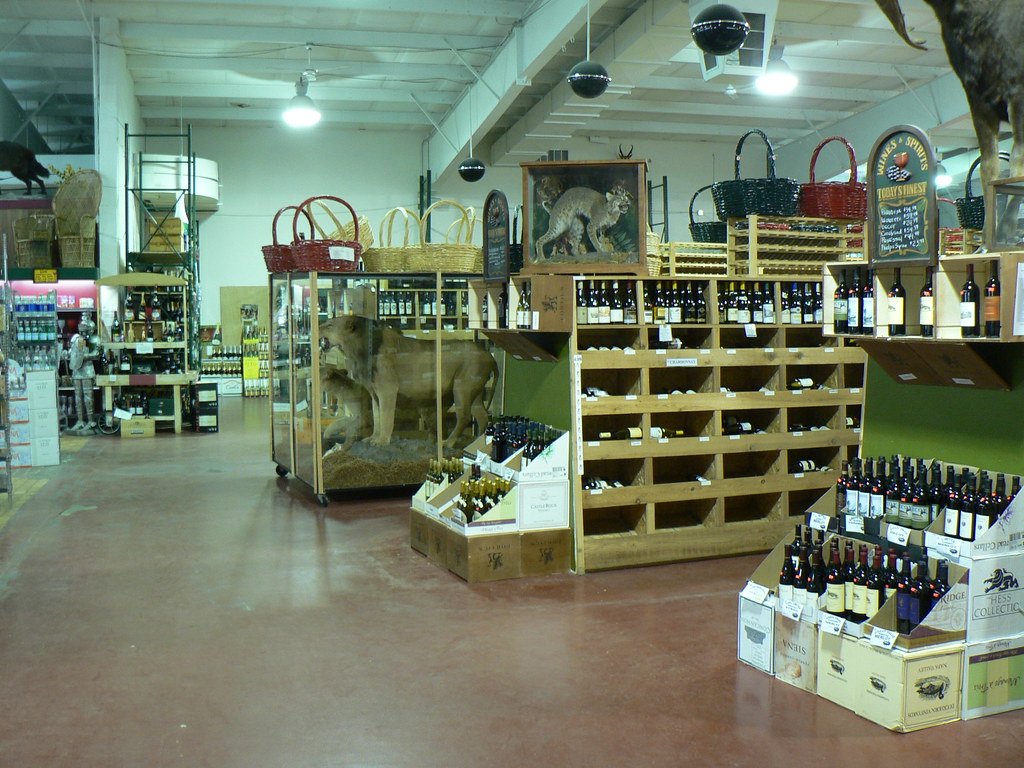
Photo: “Wine store” by stu_spivack is licensed under Creative Commons