Tag Archives: wine advice

Update: Porch wine for the long, hot summer

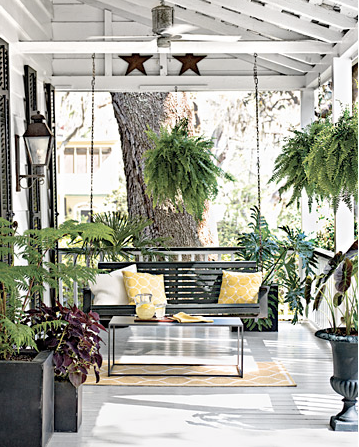
porch wine
“I found the porch — you bring the wine. What does the WC suggest?”

With record temperatures in much of the country this summer, it’s time to update the blog’s porch wine post

Over the years, I’ve gotten less than favorable comments about the idea of porch wine — because, of course, wine is entirely too serious for porch sipping. Sigh. Is it any wonder I worry about the future of the wine business?

Which is just more wine snobbery. Why should the pleasure of a shaded porch and the hint of a cool breeze be reserved for iced tea, beer, and whatever else is currently popular? I find the idea of porch wine especially relevant this summer, what with the record-breaking heat in much of the country, the pandemic, and all of the other foolishness we have had to endure. So, this porch wine update.

So know this about porch wine: It’s about lighter wines, red and white (and of course, rose), that are lower in alcohol and that offer relief from the heat. The idea with a porch wine is to drink something that won’t make the sweat bead on your forehead. The blog’s original porch post is here, and there is even a porch wine terms post.

And it’s OK to add an ice cube. Honest.

• The Beachhouse Sauvignon Blanc 2020 ($10, purchased, 13%): This white is a simple, not too grapefruit-y South African sauvignon blanc, which has an almost pleasant bitterness in the back. The minute I tasted it, I knew it was perfect for this post. Imported by Pacific Highway Wines & Spirits

• Moillard Chablis Coquillage 2018 ($25, purchased, 13%): Yes, this is expensive (though without the Trump tariff, the price may come down). But it’s also a perfect porch wine — well-made chardonnay from the Chablis region of France that is flinty, lemony, crisp. Imported by Advantage International

• Stemmari Sicilia Rose 2019 ($8, purchased, 12%): There’s nothing especially Italian about this pink; it’s just well-made rose in the international style — think Washington state. That means fresh, fruity (strawberry), and clean, but not much esle. Still, it is more than enjoyable. Imported by Prestige Wine Imports

• Domaine de la Pépière Muscadet 2019 ($16, purchased, 12%): Well-executed French white (made with the underrated melon de bourgogne grape) that is round in the mouth, but not soft. There’s a bit of structure and apple and pear fruit. Imported by LDM Wines

Photo: “Porch” by sonjalovas is licensed under CC BY 2.0

More about porch wine:
• Memorial Day and rose 2021
• Wine when the air conditioning is replaced
• Wine of the week: Vinho verde 2021
• Wine of the week: Vision Gruner Veltliner 2019


studio microphone

Winecast 60: Mike Dunne and quality, affordable California wine

mike dunne
Mike Dunne: Egos and the high cost of doing business make it difficult to find quality, affordable California wine.

Mike Dunne: It is difficult to find quality, affordable wine — but some do exist

Mike Dunne, the long-time wine and food editor at California’s Sacramento Bee newspaper, has often chided the Wine Curmudgeon for not including more California wine on the blog. Hence, this podcast: Mike and I talk about why there isn’t more quality, affordable California wine —  and how to find what there is.

The reasons for these wines’ scarcity? They start with California’s high cost of doing business and include– not surprisingly — winery ego. Interestingly, many quality, affordable wines never make it out of California because they sell out in the state.

Mike suggests looking for wines from less well-known parts of California, like Lake County and Monterey, and varieties that aren’t cabernet sauvignon and chardonnay — chenin blanc or petite sirah, anyone?

Among Mike’s wine suggestions:

• J. Lohr’s Wildflower, a red wine made with the quite rare valdiguie grape (about $10). Serve it chilled — a perfect porch wine.

• The Shenandoah Special Reserve Zinfandel (about $11). Mike raves about this red — brambly, fruity and delicious.

• Korbel’s Blanc de Noir (about $14) and one of the blog’s old pals, the Barefoot Bubbly (about $10). These California sparkling wines, says Mike, provide more value than you’d think. He also told a fine story about dust mops and the E&J Gallo sales staff; Gallo, of course, owns Barefoot.

Click here to download or stream the podcast, which is almost 17 minutes long and takes up about 12 megabytes. Quality is mostly excellent, save for a couple of static-y bits toward the end.

Ask the WC 28: Wine Curmudgeon ethics, sweet red wine, and wine spending

bribery
“So write something nice about our crappy cheap wine — or else!”

This edition of Ask the WC: A reader questions my ethics. Plus, what’s a quality sweet red wine and the blog’s annual wine budget

Because the customers always have questions, and the Wine Curmudgeon has answers in this irregular feature. You can Ask the Wine Curmudgeon a wine-related question by clicking here.

Hi, Jeff:
I read with great interest your article on cheap wines. I was wondering if you have any conflict of interest to disclose. What can you disclose regarding your cheap wine articles, like if you have received compensation of any sort from any winery\wine consortium. I am asking because reading your piece I had the impression that may be the case., and I’m sure you do not want that.
Skeptical

Dear Skeptical:
That you ask me that question speaks to how screwed up wine is. Because, I assume from your question, that anyone who writes nice things about cheap wine must be paid to do so. Because, after all, cheap wine is crap. So, for the record: I am an independent journalist and not a huckster for any wine company. I am not paid by anyone to write about their wines. A link on the blog explains my policy — no tit for tat, not ever, and I have never violated that promise.

•

Hi, WC:
I am new to wine, and needless to say confused. So I know you don’t necessarily like sweet red wines. Are there some you do like?
Like sweet

Dear Sweet:
First, never, ever apologize about what you drink — drink what you like, and enjoy what you drink. My objection to sweet red is not that it’s sweet, but that producers sweeten dry wine, but still it call it dry. That means those of us who want dry wine often get stuck buying something that is sweet. Two of my favorite sweet reds are from Italy — the L’Onesta Lamrusco di Sorbara and the Cleto Chiarli Lambrusco Vecchia Modena. If you buy the latter, you may need a pliers to get the top off.
•

Oh, Wine Curmudgeon:
You’re always writing that you buy a lot of the wine you review. How much do you spend on wine each year?
Penny pincher

Dear Penny:
I probably buy about two-thirds of the wine I review, up from about half when the blog started. I just don’t get the same quality samples anymore. How much does that work out to? $5,255 in 2020 and $5,419 in 2019. In other words, about $100 a week — and given that I drink wine most every night, I practice what I preach about cheap wine.

Photo: “Bribery” by joncandy is licensed under CC BY-SA 2.0

More Ask the WC:
• Ask the WC 27: Pandemic wine sales, red Burgundy, wine competitions
• Ask the WC 26: Wine gifts, supermarket wine, blog ads
• Ask the WC 25: Three-tier reform, wine prices, wine scores

Buying supermarket wine during the pandemic

supermarket wine
Quick. … we need to buy more wine at the supermarket because it’s a pandemic.

Six tips to make sure you get your money’s worth at the supermarket Great Wall of Wine

Supermarket wine was one of the big winners during the pandemic, with more of us buying it from the supermarket Great Wall of Wine than ever before. As a high-ranking official at a top Italian producer told me: “Multiple shopping stops are not happening, so instead of going to the grocery store, then to the fine wine shop, butcher, cheese monger, and so forth, people are getting everything in grocery stores.”

And one leading wine trade magazine expects that to continue, with double-digit sales growth perhaps being part of the new normal.

Which leads to a particularly Wine Curmudgeonly dilemma: How does one buy cheap wine that offers both value and quality in the supermarket – and especially when so much supermarket wine seems to be more or less the same? As noted here many times, the biggest half dozen or so U.S. producers make most of the wine supermarkets sell.

So how do you avoid the stuff that looks and tastes the same as the other stuff? Consider these six tips:

• Check the website. It may not say the actual company’s name on the label, and most don’t. But the company’s website always does. No, I don’t know why this is, and neither did the researcher of a seminal Big Wine study.

• Alcohol percentage. This isn’t a hard and fast rule, but it’s true often enough to keep in mind. Many Big Wine products say 13.5 percent even if the alcohol isn’t 13.5 percent. The law allows this, and it’s easier for tax, regulatory, and production reasons to do it. Wines from smaller producers tend to be more precise.

• Look for something other than the usual grapes, so petite sirah instead of cabernet sauvignon and viognier instead of chardonnay.

• Imported roses. Yes, the tariff has hurt pricing, but they’re still mostly what they’re supposed to be. Some domestic roses, on the other hand, are creeping up the sweetness ladder – and no, I don’t know why that is, either.

• New Zealand sauvignon blanc. Some of the least expensive wines aren’t especially well made, but those in the $10 to $15 range are well-made, varietally correct,  and offer value.

Ask the WC 27: Pandemic wine sales, red Burgundy, wine competitions

pandemic wine
Binge drinking during the pandemic, baby!

This edition of Ask the WC: What’s the truth behind pandemic wine sales? Plus, looking for reasonably-priced red Burgundy and judging wine competitions

Because the customers always have questions, and the Wine Curmudgeon has answers in this irregular feature. You can Ask the Wine Curmudgeon a wine-related question by clicking here.

Hey, WC:
You keep insisting there hasn’t been been a spike in drinking during the pandemic, but I see stories all over the place that we’re drinking more at home than ever. What’s the truth?
Baffled

Dear Baffled:
There are a couple of things going on. First, alcohol sales in the U.S. are difficult to measure, since companies like Nielsen mostly only record sales at large retailers. So thousands and thousands of independents aren’t surveyed, and neither are most restaurants or wineries. So while supermarket wine sales did increase, no one knows about independents, and we do know that winery and restaurant sales tanked. The best guess comes from Silicon Valley Bank’s Rob McMillan, who says the gains and losses in the various channels evened out. That’s a difficult concept for most reporters to understand, and especially when the bosses frown on them doing actual reporting. So when they see a survey that says, “Supermarket wine sales up 40 percent,” they write that we’re all drunk. Second, many of the medical studies, including the one in your link, rely on the dreaded “Alcohol Use Disorders Identification Test” — the one that defines wine with dinner as borderline alcoholism. Of course, given that definition, we’re binging ourselves to death.

•

Dear WC:
I have never had a bottle of red Burgundy, the French pinot noir, since I’m put off by the high prices. Is there an American pinot noir that is comparable to the French? Or a reasonably-priced French red Burgundy that is easy to find? I don’t mind spending a reasonable amount, but when it gets into the hundreds of dollars, I can’t do it.
Looking for value

Dear Value:
That’s one of the great dilemmas in wine today, made worse by the tariff. There’s really nothing like red Burgundy in California, though Patricia Green and Panther Creek in Oregon have wines in the mid-$20s that are close, but only close. Anything decent for red Burgundy is going to start at $40, and even then there’s no guarantee. This is one of those areas where you need a local independent who can help.
•

Dear Wine Curmudgeon:
I haven’t seen anything on the blog lately about you judging wine competitions. Used to like to read about all the wine you had to taste. What’s up with that?
Curious

Dear Curious:
I’m mostly retired from judging wine competitions. I had cut back before the pandemic; tired of the travel, for one thing, as well as tasting 300 wines in two days. That starts to wear on one after a couple of decades. I may still do some regional events, though I will wait until we’re mostly rid of the pandemic. And, honestly, so many competitions are dominated by Big Wine these days that I’m one of the last people that organizers want to judge that stuff since I don’t give out a lot of gold medals.

Wine and food pairings 12: Hot dogs (because everyone refuses to believe it can be done)

hot dogsThe Wine Curmudgeon pairs wine with some of his favorite recipes in this occasional feature. This edition: three wines with hot dogs — a fancy version, but hot dogs nonetheless.
The Wine Curmudgeon once hosted a weekend cookout where the main dish was hot dogs. To which one of the guests sneered: “I’d like to see that — drinking wine with hot dogs.”

Oh ye of little faith. Wine is not reserved for $100 dinners or dishes made with three sauces. Wine is for dinner — no matter what dinner is. Which, of course, has been the point of the blog for almost 14 years. Hence, wine with hot dogs, which is something I’ve wanted to write about since my Cordon Bleu teaching days. We did part of a class where the students paired wine with fast food, to show people learning haute cuisine that wine didn’t have to be haute.

This version, called Hot Dog Boats and adapted from the Tastemade/Tasty cooking hegemony, is much fancier than those 8 for 99 cent hot dogs served on the buns that fall apart as soon as you pick them up. A compound butter, and par-baking the buns even. But it’s well worth the effort — think of it as a chili cheese dog for people who want to take the hot dog to the next level.

Click here to download or print a PDF of the recipe. Pairing hot dogs isn’t as difficult or as goofy as it seems. It’s a sausage, after all, and the Germans and the French in Alsace have doing wine and sausages for centuries. These wines will get you started:

• Old Soul Cabernet Sauvignon 2018 ($12, sample, 13.7%): This is a simple, Lodi-style cab, so there’s lots of sweet berry fruit. But it’s more than just another sweet red wine, with a bit of heft in the back for balance. A fine value.

• Inazio Urruzola Rosado 2019 ($16, sample, 10.5%): Interesting Spanish rose from the Basque region that’s made with truly obscure grapes. It’s  lemony and savory, and not what most people expect. Imported by Winesellers, Ltd

• August Kesseler Riesling Kabinett 2018 ($13, purchased, 10.5%): Zippy, oily, and sweetish German riesling, with some lime and stone fruit. Because riesling with sausages. Highly recommended. Imported by Vineyard Brands

Blog associate editor Churro contributed to this post.

Full disclosure: One of these days, I’ll remember take a picture of the dish; the one accompanying the post is from Tasty.

More about wine and food pairings:
• Wine and food pairings 11: Croque monsieur, turkey style
• Wine and food pairings 10: Lemon rosemary roasted turkey thighs
• Wine and food pairings 9: Mushroom ragu

Slider photo: “Rome Elite Event: wine, food and nice people” by Yelp.com is licensed under CC BY-NC-ND 2.0

Ask the WC 26: Wine gifts, supermarket wine, blog ads

Wine giftsThis edition of Ask the WC: How do I buy a wine gift when I know nothing about wine? Plus, what exactly is supermarket wine and why do the blog ads look so bad?

Because the customers always have questions, and the Wine Curmudgeon has answers in this irregular feature. You can Ask the Wine Curmudgeon a wine-related question by clicking here.

Dear Wine Curmudgeon:
I know nothing about wine, but I need to buy a colleague some wine for his retirement party. A friend who reads you said you could help. All I know is that he likes red wine — and we can spend between $50 and $70 a bottle.
Don’t know much about wine

Dear Don’t:
Thank your friend for sending you to the blog. I’d find a good local shop and asking them to recommend one of two wines: Either a Kermit Lynch-imported French red, if he likes French wine, or a Montelena or Stag’s Leap cabernet sauvignon if he prefers California. Kermit Lynch is not only one of the  world’s great importers, but their wines are as much about value as quality. And the two California producers combine New World style with Old World sensibility.

•

Hey, WC:
You’re always writing about “supermarket wine,” but you never really say what it is. So what is it?
Supermarket shopper

Dear Supermarket:
Supermarket wines are usually made by the biggest producers and are mostly sold in supermarkets and large retailers. You probably won’t seem them in neighborhood and independent shops. So labels like Barefoot, Josh Cellars, and Woodbridge are supermarket wines.

•

Hi, Wine Curmudgeon:
Why do the ads on your site and the email look so big? Can’t you make it look less tacky?
Good taste

Dear Good:
I’m limited in what I can do, since it’s just me and I’m at the mercy of the services I use for the ads and the email. But not to worry — big changes are coming soon to the blog, and the ads are going away.

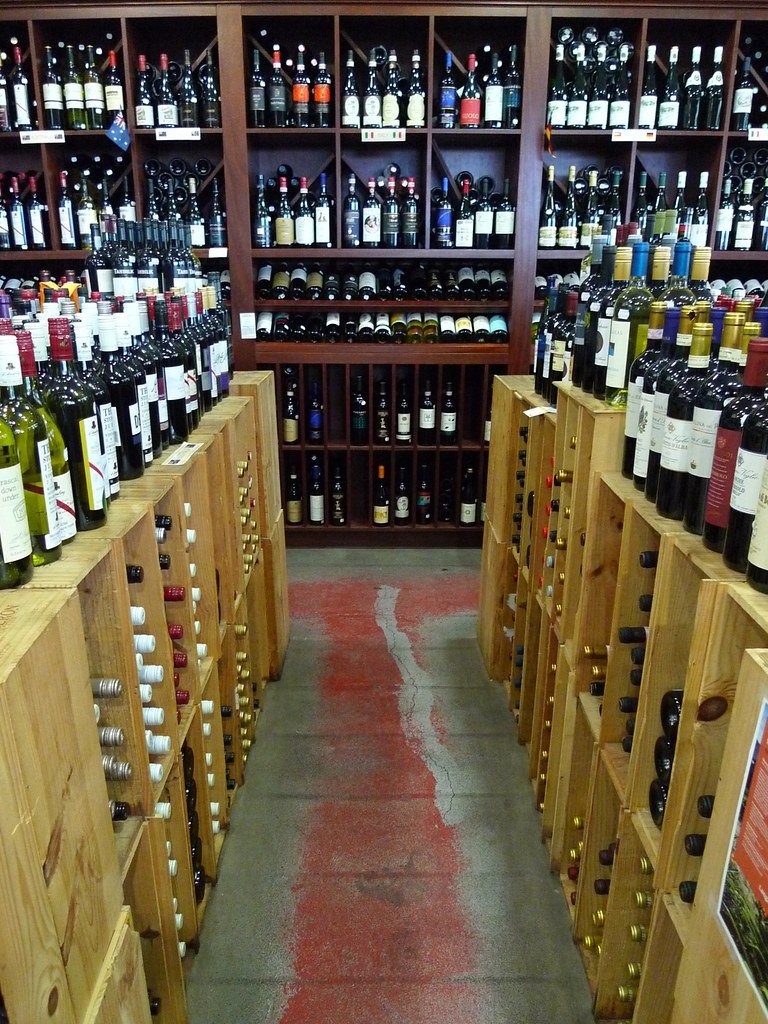
Photo: “Liberty Wine Shop” by Ruth and Dave is licensed under CC BY 2.0