

Tag Archives: tempranillo

Wine of the week: Celler Barcelona Garnacha 2014

Barcelona GarnachaThe Barcelona Garnacha is another $10 Spanish wine that is better than we have any reason to expect

I am now officially embarrassed by my enthusiasm for Spanish wine. I have run out of adjectives, run out of praise, run out of explanations for a wine like the Barcelona Garnacha – made by one more producer no one has ever heard in an equally anonymous region – can deliver so much value.

And when so many other wines can’t, don’t, and have no interest in doing so.

So let’s accept Spain’s brilliance on faith and take advantage of it. The Barcelona Garnacha ($10, purchased, 13.5%) is a red blend from Catalunya, part of the region better known for cava, the Spanish sparkling wine. It’s not even the best known red wine area in that part of Spain (that’s the Priorat), so how this wine is so well made and so enjoyable is part of the faith thing.

The wine is made with garnacha and tempranillo, which means the former lends its telltale cherry fruit, some berries, and a certain richness, while the latter contributes its spice and acidity – and well as the good sense tempranillo can bring to wine when it’s done correctly. Open this for pizza, spaghetti and meatballs, or just because you want a cheap, quality red wine.

Highly recommended, and a candidate for the 2018 $10 Hall of Fame. And, in one of those weird things that happens in wine, it was made by Russell Smith, once the winemaker at Texas’ Becker Vineyards (which I didn’t know when I bought the wine). Go figure.

Mini-reviews 95: Geyser Peak, Triton Tridente, Cloudline, Anne Amie

geyser peakReviews of wines that don’t need their own post, but are worth noting for one reason or another. Look for it on the fourth Friday of each month.
• Geyser Peak Sauvignon Blanc 2015 ($12, sample, 13%): I’m sure the current owners of Geyser Peak, once a great cheap sauvignon blanc, had their reasons for blending this vintage with riesling. The reason, though, escapes me, since it adds an almost syrupy consistency and sweetness to a wine that is supposed to be crisp and fresh. Plus, $12?

• Bodegas Tritón Tridente 2013 ($16, sample, 15.5%): This Spanish tempranillo sat in the wine closet for more than a year, and the age made all the difference in the world. Much better than I expected – rich and lush with cherry fruit but not hot despite the high alcohol.

• Cloudline Pinot Noir 2015 ($16, sample, 13.5%): This Oregon red from the well-known Domaine Drouhin is not for all tastes, made in an almost old-fashioned French style. That means tart berry fruit and very simple in style.

• Anne Amie Cuvee A Amrita 2015 ($15, sample, 12.6%): This Oregon white blend, from one of my favorite producers, is a cross between a frizzante riesling and a sweeter, more Prosecco style sparkling. It is well made, as all Anne Amie wines are, with citrus and white fruit, but could use more acidity to balance the sweetness.


Wine of the week: Vallobera Pago Malarina 2013

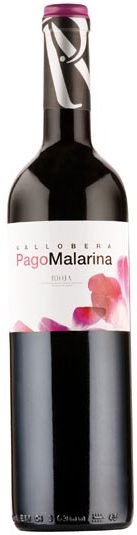
Vallobera Pago MalarinaHow does the $10 Vallobera Pago Malarina get real oak? It’s all about the appellation

How important are land prices in determining the cost of wine? Consider the Vallobera Pago Malarina, a tempranillo blend from Spain’s Rioja, one of the world’s great wine regions. It costs $10.

How can this be, if Rioja is so good? There is almost no $10 wine from Napa or even Sonoma anymore, and one of the biggest differences is the price of land. Vineyard property is much more expensive in those California appellations, so the cost of land pushes up the price of the bottle even if the grapes aren’t that great.

On the other hand, the Vallobera Pago Malarina ($10, purchased, 13.5%) benefits from Rioja’s lower costs. In fact, you get quite a bit for your money – six months in real oak and no winemaking tricks. If this isn’t the best Rioja I’ve ever had, and if the grapes aren’t of the highest quality, the difference in land cost means you get $10 worth of wine from the Valobera. This same quality might be $18 or $20 in parts of California.

Look for red berries, since it is from Rioja, an almost leathery finish, and dusty tannins. Again, not the most elegant wine in the world, but perfectly acceptable for hamburgers, takeout pizza, and a glass of red wine when you’re in the mood.

Wine of the week: Pagos Del Rey Arnegui Crianza 2013

Pagos Del Rey ArneguiThe Pagos Del Rey Arnegui is classic $10 red Rioja – cheap and tasty

We’re not quite at the point where we can buy Spanish wine knowing nothing about it save what’s on the front label and be assure of quality and value. But we’re getting closer.

Case in point is the Pagos Del Rey Arnegui ($10, purchased, 13.5%), which I bought knowing only it was from the Rioja region in Spain, was made with tempranillo, and was supposed to have minimum oak. Tempranillo is the red grape in Rioja, and crianza is the simplest style and uses the least oak aging.

What did I get? Classic $10 crianza – cherry fruit, a hint of orange something or other, a dash of herbs, a surprisingly full mouth feel for a wine at this price, the soft tannins characteristic of Rioja, and what the tasting notes claim was real oak (and even a bit more than I wanted). All in all, hard to believe if I hadn’t tasted it. Pair this with roast beef or chicken, and even peppers, onions, and sausages.

How can the Spanish do this? Some of it is the lower cost of production, including inexpensive land and cheaper labor. Some of it is tradition melded with modern winemaking. And some of it, sadly, is that demand isn’t what it should be. Too much of the rest of the world is chasing the latest 92-point sweet fruit and chocolate wonder and doesn’t know this kind of wine exists. That’s their loss.

Mini-reviews 85: Eden Ridge, Campo Viejo, Bonny Doon, Planeta

campo viejoReviews of wines that don’t need their own post, but are worth noting for one reason or another. Look for it on the final Friday of each month.

• Eden Ridge Chardonnay 2013 ($13, sample, 14.5%): This California white shows everything that is wrong-headed about premiumization – $7 or $8 worth of wine that costs one-third more. It’s hot, with an alcoholic tang; stemmy and bitter; doused with oak; and without all that much fruit.

• Campo Viejo Rioja 2014: ($10, purchased, 13%): Spanish red made with tempranillo that proves not all Spanish wine is a great value. It’s grocery store plonk that tastes about as Spanish as a glass of water, with sweet fruit and too much oak.

• Bonny Doon Gravitas 2014 ($16, purchased, 13.5%): Proper white Bordeaux channeled through California, so brighter citrus fruit, less flinty, and a little rounder, but still delicious. The difference between this wine and the first two is so vast that it’s difficult to put into words.

• Planeta Cerasuolo di Vittoria 2014 ($20, purchased, 13%): This red blend from one of my favorite Sicilian producers was sadly disappointing. Though it’s well made, with red fruit and some spice, there’s not enough going on for what it cost: Not complex enough, with almost no finish; not enough Sicilian dark fruit; and not earthy enough.

Mini-reviews 82: Mateus, Kermit Lynch, Muga, Yealands

Kermit lynchReviews of wines that don ?t need their own post, but are worth noting for one reason or another. Look for it on the fourth Friday of each month.

? Mateus Rose NV ($5, purchased, 11%): I don’t remember this wine, popular when I was in high school, tasting like raspberry 7 Up. But that was a long time ago. The wine has been repackaged since then, so that it’s in a clear glass bottle instead of the traditional green and doesn’t look quite the same as it did. And maybe it did taste like raspberry 7 Up all those years ago, which isn’t offensive — just odd.

? Chateau Graville-Lacoste Graves 2014 ($20, purchased, 12%): The legendary Kermit Lynch imports this French white Bordeaux, and it’s another example why you should buy any wine that has Lynch’s name on it. Look for freshness, minerality, and a clean sort of citrus flavor. Well worth every penny of the $20 it cost.

? Muga Rioja Reserva 2011 ($23, purchased, 13%): This Spanish tempranillo blend from one of my favorite producers was much lusher and fruitier than I expected, without as much of the tart cherry acidity and herbal appeal that I like about wines from the Rioja region. Having said that, it’s well worth drinking, and should age for close to forever. As it does, the fruit and oak will probably give way to more traditional flavors.

?Peter Yealands Pinot Gris 2014 ($12, purchased, 13%): Why grocery store wine makes me crazy. Yealands is a respected New Zealand producer, and this white should have been delicious. But the bottle I bought was a previous vintage that was bitter and pithy on the back, and much of the fruit, freshness and crispness — hallmarks of pinot gris — were gone. Who knows how long it was sitting and baking in some warehouse? Did anyone at Kroger care?

Wine of the week: Flaco Tempranillo 2014

Flaco TempranilloWhat do I say when I find yet another tremendous value from Spain brought into the U.S from Ole Imports? Not much, other than to be grateful that the Flaco Tempranillo, a red wine, is as well made and as well priced as it is.

The Flaco Tempranillo ($9, purchased, 13%) is not as tart as I would have hoped, but then it’s not from Rioja, where that’s part of the wine’s character. Instead, it’s from the region around Madrid in the middle of the country, where a decade or more of winemaking improvements have turned wine that was barely drinkable into something consistent, commercial, and interesting.

The Flaco Tempranillo is just one more example of that winemaking revolution. It’s more even throughout, and there are fewer elements to balance than in a similarly priced Rioja — call it a terroir difference, and who thought we would ever write that about a wine from Madrid? Look for enough cherry fruit to be recognizable, soft tannins, and a bit of herb floating in and out. It’s an exceptionally well done wine, let alone for the price, and the French could learn a thing or two about how to make quality wine for $10 from tasting this.

Highly recommended, and a candidate for the 2017 $10 Hall of Fame.