Tag Archives: sauvignon blanc

Mini-reviews 149: Naia, Milagro, Luberri, Sunshine Bay

geeky wine
Let’s see — which geeky wine do I want to taste?

Reviews of wines that don’t need their own post, but are worth noting for one reason or another. Look for it on the fourth Friday of each month. This month, three interesting wines and something from Aldi.

• Naia S-naia 2018 ($12, purchased, 12.5%): Spanish sauvignon blanc, which I bought my mistake. Thought it was the Naia verdejo, one of my favorites. Having said that, it’s more subtle than New Zealand or French sauvignon blanc. Look for some stoniness, not much fruit (tropical?), and Naia’s trademark finish. A wine geek wine. Imported by Aviva Vino

• Milagro Corrales Red NV ($18, sample, 12.5%): Pleasant New Mexico red blend (black fruit, soft tannins, decent acidity, and more oak than I expected) and a little of that regional wine funkiness. Which is a good thing.

• Luberri Seis de Luberri 2018 ($18, purchased, 13.5%): Interesting and not very traditional red from Spain’s Rioja, made with a form of carbonic maceration and lots of oak for a wine at this price. Hence, less acid, more round and full, and almost tastes like it has merlot in it. Even geekier than the Naia. Imported by De Maison Selections

• Sunshine Bay Sauvignon Blanc 2020 ($7, purchased, 12.5%): This New Zealand white, only available at Aldi, isn’t nearly as one note as past vintages. That means less citrus and an almost grassy thing. Certainly $7 worth of sauvignon blanc. Imported by GK Skaggs

Photo: Ana Itonishvili on Unsplash

Wine of the week: Rickshaw Sauvignon Blanc California 2018

Rickshaw sauvignon blanc
Rickshaw sauvignon blanc/$9-$14

Rickshaw’s sauvignon blanc shows it’s still possible to find quality California wine that offers value at a price we can all afford

Once upon a time, in a wine world far different from ours, sauvignon blanc was made in a variety of styles. French winemakers took a couple of approaches – one in Bordeaux and one in the Loire. New Zealand wines, new to the market, featured what would become its trademark grapefruit style.

In California, the same grape produced a decidedly different wine, with less minerality than France and hardly any grapefruit. The wines were aromatic, with lemongrass and what we used to call “freshly mowed lawn,” and the fruit was more lemon than anything else.

Today, though you can still find some of the French style if you’re willing to pay for it, it’s almost impossible to find the California style. Most producers, and especially at the blog’s prices, make New Zealand-style sauvignon blanc and leave it at that (unless they sweeten the wine up).

Which is why I was so excited to find this previous vintage of the Rickshaw ($12, purchased, 13.5%) at a Dallas retailer.

This is classic California sauvignon blanc, and if it’s a little short in the back, chalk it up to age. The 2020 bottle in the link shouldn’t have that problem. This is a delicious, well-made, and fairly priced white wine. It has those California cut grass aromas, as well as some stoniness and citrus fruit that is more lemon than grapefruit. And it’s very fresh, despite its age.

Highly recommended, and I say this even though Rickshaw wines have always been kind of geeky, aimed more at restaurants than at retailers (and its more expensive label mate, Banshee, is even geekier). And yes, I know the brand has been sold to a burgeoning Big Wine company; so far, though, so good.

Chill this wine, bring it out for fall barbecues or spaghetti and clam sauce, and be glad someone in California is thinking about quality at this price.

Mini-reviews 148: Abacela, Raeburn, Chronic Cellars, Rose All Day

wine closet
When the WC cleans out his wine closet, he really cleans out his wine closet.

Reviews of wines that don’t need their own post, but are worth noting for one reason or another. Look for it on the fourth Friday of each month. This month, cleaning out the wine closet.

• Abacela Malbec 2017 ($33, sample, 13.6%): Top-notch Oregon malbec, as odd as that may sound. It’s missing the sweet fruit of Argentine malbec, though the fruit is there (blackberries), along with some spice, and an almost velvety mouthfeel. There is a longish finish, with balance between the oak and the tannins.

• Raeburn Chardonnay 2019 ($20, sample, 14.5%): Good example of the hugely popular post-modern California style: A noticeably sweet finish, high alcohol, some oak, some butter, and more tropical fruit than green apple. 92 points!

• Chronic Cellars Spritz and Giggles NV ($17, sample, 11.5%): Unimpressive sparkling wine that tastes too sweet, is too flat, and has too much of an almost iodine flavor.

• Rose All Day NV ($30/3 liter box, sample, 12.5%): It has a famous cute name, it’s pink, it’s dry, it’s a touch fruity, and it’s mostly French. The finish is quite thin, and if you pay more than $7.50 a bottle (which is the suggested retail price, given four bottles to a box), you’ll be annoyed. Imported by Biagio Cru

Photo: “empty closet” by Studio Sarah Lou is licensed under CC BY 2.0

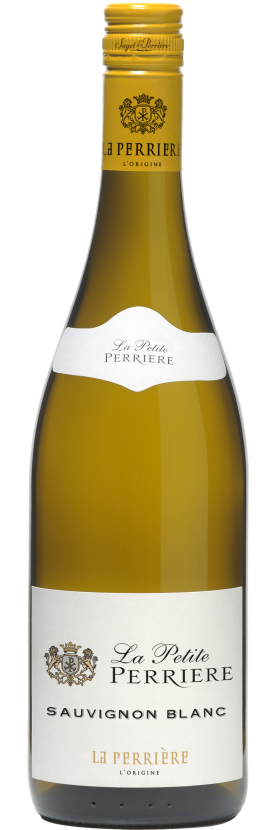
Wine of the week: Saget La Petite Perriere Sauvignon Blanc 2019

saget la petite perriere
La Petite Perriere sauvignon blanc/$9-$13

The La Petite Perriere sauvignon blanc remains a terrific French white wine, despite its various travails and controversies

Never has a wine I’ve written about caused as much trouble as the La Petite Perriere sauvignon blanc. My mom was reprimanded by a Chicago supermarket employee when she asked if the store carried the wine. It was part of an availability controversy on the blog. And now, someone on CellarTracker, the blog’s unofficial wine inventory app, has chastised it for being acidic and not having much fruit.

Poor, poor La Peitite Perriere 2019 ($12, purchased, 12.5%).

Fortunately, La Petite Perriere, the Wine Curmudgeon is your friend. Those who think that the wine is too tart and doesn’t have enough fruit? It’s French. It’s not supposed to taste like it comes from New Zealand or California (where, at this price, it might have been tarted up with white grape juice to smooooth out the acidity and boost the fruit).

What it is supposed to taste like is what it tastes like: Some floral and mineral sort of aromas; maybe some lemon fruit; and that French-style clean and crisp finish. I’m not sure the 2019 is as interesting as the 2018, but it remains a terrific wine for this price.

So drink it, appreciate the differences between wine regions, and know not all wine is supposed to taste the same.

Imported by Taub Family Selections

Mini-reviews 147: Lost Eden, Balletto, Rodney Strong, The Crossings

pourimg wine
“Which of the WC’s recommendations would you like to taste?”

Reviews of wines that don’t need their own post, but are worth noting for one reason or another. Look for it on the fourth Friday of each month. This month, three wines that cost more than the blog’s usual, and one that doesn’t.

• Lost Eden Red Blend 2018 ($17, sample, 13%): Georgian wine — from the country and not the U.S. state — is all the rage among wine geeks. This is a fruity red made with the native saperavi grape. It tastes more like an $18 merlot-based red Bordeaux than anything else, minus the earthiness. Lots of red fruit, very soft tannins, a touch of acidity. Imported by Lost Eden Wines

• Balletto Teresa’s Unoaked Chardonnay 2019 ($18, sample, 13.3%): Spot-on unoaked California chardonnay that tastes like chardonnay and not sauvignon blanc. So some apple fruit, a fresh but not too crisp finish, and a bit of stoniness. Highly recommended, even if I wasn’t a sucker for well-made unoaked chardonnay.

• Rodney Strong Pinot Noir Rose 2020 ($25, sample, 12%): Pricey California sweetish rose (not white zinfandel sweet, but sweet enough) from what used to be one of the state’s most dependable producers. To its credit, the wine doesn’t claim to be dry — just to have lots of strawberry fruit. Still, a hint that it was sweet would be nice.

• The Crossings Sauvignon Blanc 2020 ($12, purchased, 13.5%): Typical New Zealand supermarket sauvignon blanc — professional, lots and lots of grapefruit but not much else, and very clean. You just have to decide if it’s worth $12. Imported by Deutsch Family Wines & Spirits

Photo: Douglas Lopez via Unsplash

Mini-reviews 146: AIX, Marques de Caceres, Ponga, Clean Slate

summer wine
“What does the WC suggest for summer wine drinking?”

Reviews of wines that don’t need their own post, but are worth noting for one reason or another. Look for it on the fourth Friday of each month. This month, four summer wines.

• AIX Rose 2020 ($20, purchased, 12.5%): Hugely popular Provencal pink made for the U.S. wine drinker who wants all wine to taste like it came from California. So this is softer and fruitier (watermelon and strawberry), with less minerality. Nothing wrong with it if that’s what you think Provencal should taste like — and if you think that’s what rose should cost. Imported by Kobrand

• Marques de Cáceres Verdejo 2020 ($10, purchased, 13.5%): This Spanish white is much more supermarket in style than the 2018, which was terrific. It’s just tart (lemon?) and not much else. Not badly made — just not as nicely done as the 2018. Imported by Vineyard Brands

• Ponga Sauvignon Blanc 2020 ($14, sample, 12.5%): Well-made supermarket sauvignon blanc from New Zealand. Yes, lots of grapefruit, but hints of one or two other things stashed in the middle that make it more than it should be. Sadly, this wine would cost $9.99 in a perfect world. Imported by Winebow

• Clean Slate Riesling 2019 ($10, sample, 10,5%): Disappointing German riesling made in the “focus group” style. That means appreciably and annoyingly sweet and devoid of almost all riesling character save for some sort of peach something or other. This is the kind of $10 wine the industry gives us because they assume we don’t know any better. Imported by Mondovino

Photo:“Glass of White Wine” by Smabs Sputzer (1956-2017) is licensed under CC BY 2.0

Father’s Day wine 2021

Father's Day wine 2021
Yes, I know I’ve used this picture before. But it’s just so Father’s Day.

Father’s Day wine 2021: Four wines for Dad to enjoy

This year’s Father’s Day wine post finds wine not nearly as bad off as it was a year ago. So celebrate with the blog’s Father’s Day wine 2021. And don’t forget the blog’s wine gift-giving guidelines — don’t buy someone wine that you think they should like; buy them what they will like.

Father’s Day wine 2021 suggestions:

• Villa Gemma Cerasuolo d’Abruzzo Rose 2020 ($20, sample, 14%): This Italian pink intimidated me, what with its price and alcohol content. Fortunately, I tasted it with the Italian Wine Guy, who told me to just shut up and enjoy it. And he was correct: Almost savory, with strawberry and raspberry fruit — a very sophisticated rose. Highly recommended. Imported by Vintus

• Prophecy Sauvignon Blanc 2019 ($12, purchased, 12.5%): Spot-on supermarket sauvignon blanc from New Zealand (and E&J Gallo) that reminds me why these wines offer so much value. Simple, but well made and clean, with a bit of lemon to go with the not too tart grapefruit. Much better than I expected, given the blather on the back label: “aromas of cool sea air.” Imported by Prophecy Wines

• Citra Sangiovese 2019 ($12, sample, 13%): Not quite as well done as the 2017, but still a simple, enjoyable Italian red wine and just the thing for burgers on the grill. Look for cherry fruit, a little acidity, and some spice. Imported by Winebow

• Juvé y Camps Brut Rose NV ($17, purchased, 12%): This Spanish pink sparkler is known for including pinot noir instead of the more traditional trepat, so it’s always a little less tart than other cavas. But always well done — soft strawberry fruit and lots and lots of tight, tiny bubbles. Imported by Vintus

More Father’s Day wine:
• Father’s Day wine 2020
• Father’s Day wine 2019
• Father’s Day wine 2018
• Expensive wine 144: Pio Cesare Cortese di Gavi 2018