

Tag Archives: roussanne

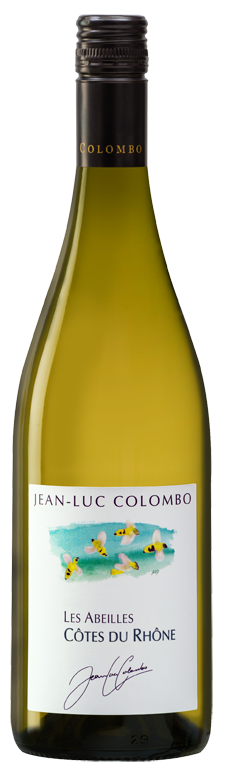
Wine of the week: Jean-Luc Colombo Les Abeilles Blanc 2016

Colombo Les Abeilles BlancForget about “smooooth:” the Colombo Les Abeilles Blanc is a well-made, terroir-driven French white

Wine Curmudgeon alert: The Colombo Les Abeillles Blanc is not for all tastes – it’s not “smooooth,” it’s made with weird grapes, and it’s most decidedly a product of its terroir. So when you see people saying nasty things about it (some very nasty, in fact), you’ll know why.

And also why the Colombo Les Abeillles Blanc 2016 ($12, purchased, 13%) is the wine of the week. It’s a French white blend from the Rhone made with roussanne, which is sort of known, and clairette, which is barely known at all. As such, it doesn’t taste like chardonnay and it doesn’t taste like the high-score, trophy white Rhone wines that cost $50.

But it does taste like the kind of wine to have for dinner with chicken braised with chickpeas. The wine, despite its age, is still quite fresh. Look for a little petrol aroma, as well as that wonderfully off-center lime-ish roussanne fruit and some peach from the clairette.

The 2017 is the current vintage, which I have not tasted. But if it is as well made as the 2016, all should be well.

Imported by Palm Bay International

three-tier failure

Regional wine update: Virginia, Texas, Lake Erie

regional wineFour regional wines that show just how far Drink Local has come in the past decade

Regional wine has come a long way in the decade-plus of the blog’s history, from an afterthought in most of the country to an important part of the wine business in a dozen or so states. How far has it come? Consider these four regional wines:

• Breaux Vineyards Cabernet Franc Lafayette 2015 ($26, sample, 13.5%): Virginia wine quality is so much better than the first time I tasted it, more than 20 years ago, that it’s almost hard to believe. The Breaux is a case in point: A well-made, bright, and approachable East Coast cabernet franc in a fruit forward (cherry?) style without flaws, oddities, or regional wine goofiness. Plus, structured tannins to offset the fruit and lots of balance. And, even at this price, a fair value.

• McPherson Cellars Reserve Roussanne 2015 ($18, purchased, 13.5): This may be McPherson’s best reserve roussanne, which is saying something since it has traditionally been among the finest wines in Texas. Impeccably made, with lime fruit and just enough oak to balance the acidity. This is not a one-note wine, but is still very young and tight. It will age for at least three or four years, if not longer, and will open up and become more expressive with fruit and aroma. Highly recommended.

• Fall Creek Sauvingon Blanc Vintners Selection 2016 ($21, sample, 13%): It’s too hot in Texas to make quality sauvignon blanc, but Fall Creek’s Sergio Cuadra has found a way to do it. This wine is more Chilean in style, not surprising since Cuadra is Chilean — tropical and lime fruit, as well as herbal (mint and lemongrass?), but still crisp and fresh. In this, as befitting its price, it’s more elegant than most one-note sauvignon blancs.

• Presque Isle Eskimo Kisses 2016 ($30/375- ml bottle, sample, 12%): This ice-style wine from the Lake Erie appellation (parts of Ohio, Pennsylvania, and New York) is a tremendous value, about half the price of traditional ice wine. Yet it still hits most of the ice wine highlights – rich, luscious, honeyed, with a just a tiny bit of lemon. This vintage is still quite young, and probably needs another year in the bottle. The bad news? Very limited availability, still a problem for the regional wine business.

Wine review: McPherson Cellars Roussanne 2010

The on-going debate in the Texas wine business is about whether to make wine from grapes that consumers recognize, or to make wine from grapes that are suited to the Texas terroir. It's a debate that has pitted winemakers against winemakers, growers against winemakers, and critics against winemakers.

The first group argues that consumers won't buy wine from a Texas winery unless it says chardonnay, cabernet sauvignon, or merlot on the label — and that if they have to buy grapes from California to make those wines, so be it. Otherwise, there would be no Texas wine industry.

The second group, to which the Wine Curmudgeon belongs, disagrees. Our approach: What's the point of making Texas wine that tastes like California wine? Texas wine (or New York or Virginia or other regional wine, for that matter) should reflect the state's unique characteristics — the soil, the climate, and the like.

I'm going to write more about this next week, and specifically the labeling controversy in the regional wine business — how too many regional wineries try to convince consumers that wine made with California grapes came from their state. Today, though, it's enough to note that this roussanne ($14, sample) is a white wine that firmly, boldly and unequivocally makes the argument for terroir-driven wines. More, after the jump:

Continue reading →