Once again, one of the world’s great cheap whites doesn’t disappoint – no matter what others think
La Vieille Ferme Blanc 2022/$6-$12
The French La Vieille Ferme Blanc is annually one of the world’s great cheap white wines, and the 2022 version ($9, purchased, 13%) doesn’t disappoint – some lime, some stone fruit, and clean and fresh.
Nevertheless, someone gave it 69 points – which means it’s undrinkable — on CellarTracker, the blog’s unofficial wine inventory app.
Do I need to write any more? Or remind everyone why I’m so worried about the future of the wine business?
How well-made is this cheap South African red? They’re selling it at high-end retailers
Imagine my surprise when I saw this on the shelves of one of Dallas’ most expensive wine shops. It’s the kind of place where the only $10 wines are usually half bottles of something more expensive.
So I bought it – not because I knew anything about it, but because if it was there, something must be going on.
Which, as I later found out after talking to several retailers, there was. South Africa’s Excelsior wines may be the next great cheap wine brand, and almost every store owner I talked to raved about their price and quality.
The 2020 cabernet sauvignon ($9, purchased, 14%) may be the best of the bunch. Yes, simple, given what it costs, but oh so well done. This is $10 cabernet that tastes like cabernet, without a bit of sugar, gloppy fruit, or all that fake oak. And how often do we see that? It’s stunningly balanced, with firm tannins, plum and black cherry fruit, and that distinctive cabernet aroma.
Pair this with red meat, of course, but it’s also so well balanced that it would go with roast turkey or serve as the base for coq au vin (which, if and when it ever cools off here, I will do).
Highly recommended, and certain to enter the Hall of Fame next year as well as to make the shortlist for the Turner cheap wine of the year award.
Want to fix the wine glut? Make more wines like this
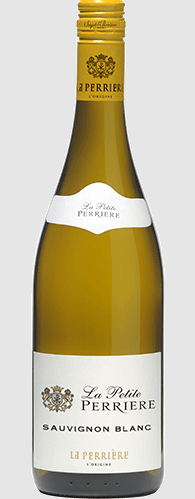
The most important thing to know about this French white wine? This line from my tasting notes: “This is the kind of wine we need more of to bring people to wine drinking.”
The 2021 is is the fifth vintage of this wine to be a wine of the week, which speaks to its consistency and quality. It’s also famous – or infamous, as the case may be – as the wine my mom tried to buy at a Kroger subsidiary in Chicago because I was told it was for sale there. Which, of course, it wasn’t.
So, the details for the 2021 ($10, purchased, 12.5%): It’s a terrific weeknight sauvignon blanc – well-made, simple but not stupid, and neither too fruity nor too tart. That means a bit of mineral and stone, some citrus (more lime than anything else), and fresh and clean. In other words, what the wine business is trying to achieve by buying hard seltzer companies instead of trusting to wine.
If it’s not quite as impressive as some of the others (the 2016, the one my mom looked for, was exceptional), it’s still well worth drinking and a Hall of Fame quality wine. Chill this and drink it on its own, or pair it with something like roast pork loin or takeout chicken.
Once again, wine availability is a wonderful thing
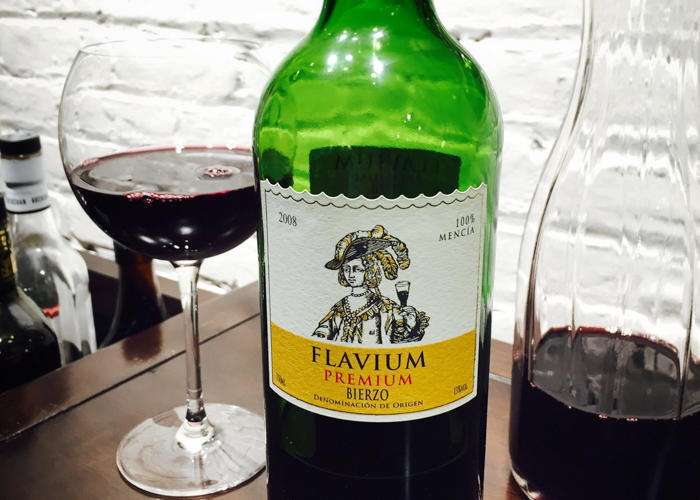
These wines are made by the same Spanish producer from the same mencia grape and come from the same vintage and the same region. They’re mostly the same price and they taste mostly the same.
In this, they’re both fine $10 red wines and worthy of the blog. My question: Why are they both on sale at the same time from the same retailer?
Chalk it up to the mysteries of wine availability.
Because, like the Rapitala Grillo a couple of weeks ago, none of this makes much sense otherwise. Just know there is a lot of wine on the market (“Shh, don’t call it a glut”), and producers, importers, wholesalers, and retailers are doing all they can to sell it.
Hence, the Arganza Flavium Premium 2020 ($10, purchased, 13%) and the Arganza Flavium Seleccion ($10, purchased, 13%).
The Premium is the more interesting of the two — earthy, some tart berry fruit, and just enough tannins to have some, but not enough to get the way. Call it highly recommended and a candidate for next year’s Hall of Fame. The Seleccion isn’t as deep or as layered as the Premium, but still a fine bottle of $10 Spanish red wine. There’s a little smokiness on the back that I didn’t expect; otherwise, some not too ripe berry fruit and even some herbs.
So, like the Rapitala Grillo, buy either or both if you can find them. Just don’t try to figure out why all of this is going on. Trust me — it’s not worth it.
Because even the WC — who never wants to shovel snow again — is almost worn out
Dallas’ record heat this summer (including a brutal weekend) has been wearing, so I keep telling myself that at least I’m not in Phoenix and that I put up with this because I never want to go through a Chicago winter again. So, as long as the Texas electricity grid holds out, I’m OK.
Meanwhile, three wines to drink while I’m waiting for fall:
• Bonny Doon Vineyard Vin Gris de Cigare 2022 ($18, sample, 13.6%): Prices for this are all over the place — as little as $12. This year’s vintage isn’t as stony and as French-like as in the past, so more ripish strawberry fruit and richer in the mouth.
• Bodegas La Cana Albarino 2021 ($16, purchased, 13%) Professional and competent Spanish albarino that’s more savory than fruity and almost salty. Some floral aroma and light citrus and very clean on the back. Imported Fine Estates from Spain
• Apaltagua Pinot Noir Reserva 2019 ($14, sample, 13.5%): Well-made and pinot noir-like Chilean effort. Soft tannins, reserved berry fruit, and balanced. Not complex, but that’s not the goal here. Imported by Global Vineyard Importers
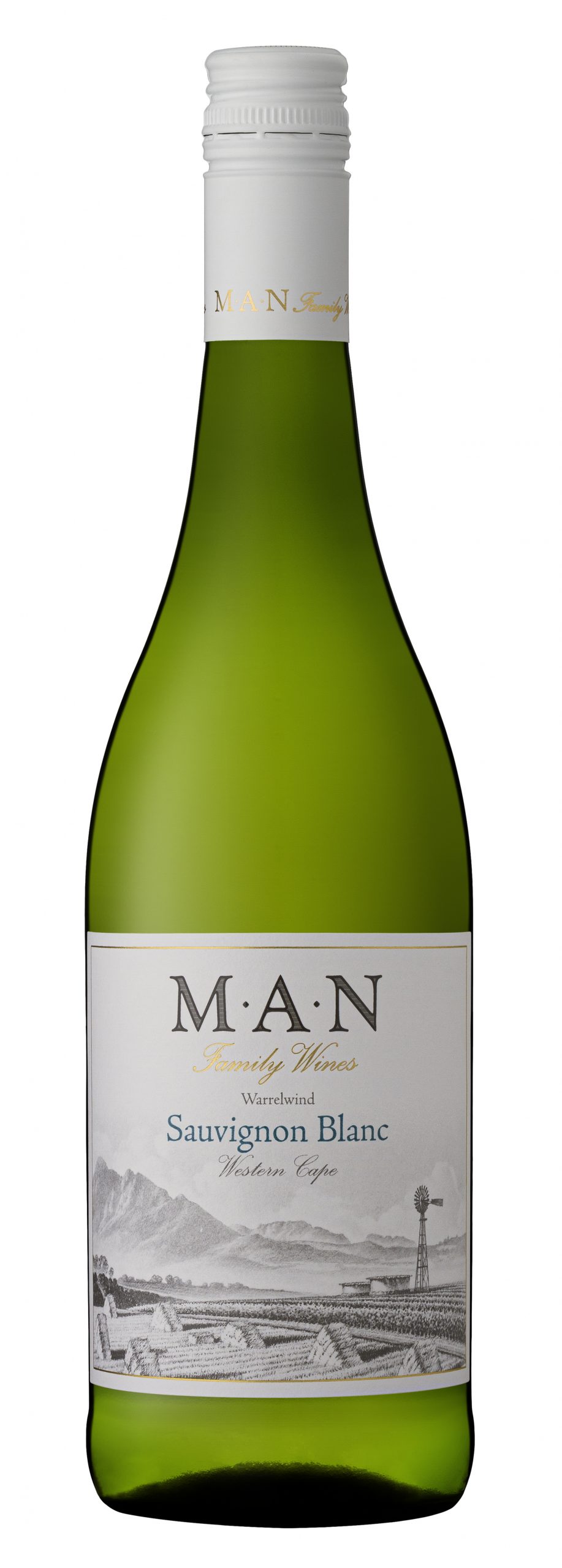
Once again, South Africa’s MAN delivers quality and value
During last week’s podcast with Greg Doody of Vineyard Brands, he spoke glowingly of South Africa’s MAN wines. And why not, given the quality of this white? (Or most of the other MANs, for that matter.)
The MAN Sauvignon Blanc 2022 ($10, purchased, 13%) is neither New Zealand, French, or California in style. So no head-smacking grapefruit, no long stony finish, no aromas of freshly cut grass. Rather, it’s terroir driven — a little softer and more tropical than French or California. That means a not quite pineapple fruitiness but enough lime for balance. And, of course, crisp enough to be sauvignon blanc.
The 11 percent semillion in the blend makes it richer than I expected – who expects a $10 sauvignon blanc to offer more than one note? Plus, there’s a bit of a complex mouth feel, which is also not common in a wine at this price.
Highly recommended, and certain to return to the Hall of Fame next year. Pair this with any summer salad or grilled fish. And, frankly, it’s just the thing to keep chilled and drink when you’re ready for a glass of white wine.
This red wine from Argentina is a spot on $10 effort
Most of the malbec I taste for the blog comes from samples; it’s just not a varietal I much care for. Unless, of course, the wine is made by Familia Zuccardi.
What impresses me the most about this Argentine red wine is not just its consistency, in that it’s top-notch from vintage to vintage, but that it’s so well made that it appeals to those who prefer something a little sweeter as well as the rest of us. Most inexpensive malbecs only bother with the first group.
This vintage is soft and fruity (berries? cherries?), but it isn’t sweet; that’s not always easy to do. In addition, it’s so well balanced that the soft tannins and lower acidity aren’t overwhelmed by the fruit. Finally, it’s food friendly, but not too heavy for the summer.
Highly recommended, and a candidate for the Hall of Fame next year.