






Texas, New York and regional wine
 by Wine Curmudgeon Posted On
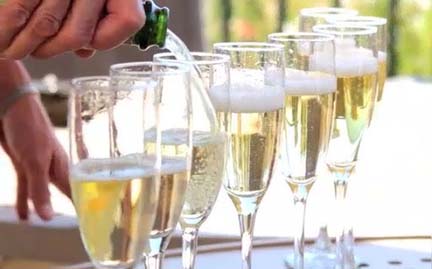
The cyber ether is ablaze with discussion about this week’s Grape and Gridiron Classic, which paired Texas and New York wines in a blind tasting. We tasted 11 wines, and the participants preferred the Texas wines eight times. We wuz robbed, wrote some New York bloggers, while others claimed the fix was in. Some of the Texas writers went overboard in the other direction; Lone Star pride, no doubt, or salve for the Cowboys’ woeful season.
Yes, the result was surprising (and more on that later). Even more surprising? That people could think that the Wine Curmudgeon would be involved in something that wasn’t 100 percent aboveboard. Question my passion for cheap wine or that I really like the Ramones. But my integrity? I think not, and I have 25 years of doing the right thing to back that up. More, after the jump:
But the most surprising part of the exercise? That so few people understood that the results were not the point of what we were doing. It didn’t make any difference who won, and it almost didn’t matter which states were involved. What mattered is that we had a roomful of people writing and getting excited about regional wine, and that they shared that passion with other people. This is something that Hanna Raskin, the food critic at the Dallas Observer, noticed: “But the event was terrifically successful in advancing the cause of regional wine,” she wrote, “even if it didn’t settle the question of state superiority.”
Thank you, Hanna. Regional wine usually gets as much publicity as quantum physics, and so those of us who care about it have to work that much harder to get local wine noticed. Which is what made this event such a natural — wine as a spectator sport.
And what did the spectators notice? That there were no bad wines in the competition, nothing to make people curl their lips and spit out what they were tasting. Shocking, revolutionary news: Regional wine tastes good! So bicker and quibble and cyber-ize about the score, but don’t lose sight of that most important fact.
And why did the Texas wines do so much better? Two reasons. First, I’m convinced there was a home field advantage. The mostly Texas audience of wine writers, bloggers, retailers, and producers is more familiar with the style of Texas wine, and so was more likely to pick that style in the blind tasting. I thought two of the best made wines we tasted were a merlot from Dr. Konstantin Frank and Bully Hill’s baco noir, both of which lost. But the merlot was very Bordeaux in style, and the baco was dark and acidic. That’s not what Texans are used to drinking.
Second, we were limited in the New York wines we could use, thanks to New York and Texas liquor laws. We had 200 Texas wineries to choose from, but could only use wines from a handful of New York’s 300 wineries (for a variety of reasons, too complex to go into here). We could have been raided and arrested if we had used other New York wines, which would not have advanced the cause of regional wine.
And, as much as I enjoy regional wine, I don’t want to go to jail for it.