

Tag Archives: white wine

Wine of the week: Domaine Artigaux 2010

DOMAINE ARTIGAUX One of the perks of being the Wine Curmudgeon are trade tastings, where producers and importers offer samples of their various wines. At a recent Dallas trade tasting, two of my favorite Gascon wines were in attendance — Domaine Duffour and Domaine du Tariquet.

Getting to taste them reminded me how much I appreciate Gascon wine, which is cheap, made with odd grapes, and just the thing to keep in the refrigerator for wine emergencies. So I did a quick round of the stores to find some more, and came up with the Artigaux ($10, purchased).

It's made with the Gascon grapes, ugni blanc and colombard, and it's not quite the wine that the Duffour or the Tariquet are. The Artiguaux is more simple, with a touch too much white grapey-ness. But that's not necessarily a bad thing, since the wine is fresh with low alcohol (11 1/2 percent) and almost enough acid to balance the fruit.

This is wine for the end of summer, and wouldn't be bad at any other time — such as the refrigerator emergency wine, when you need a glass after work or something to drink with Chinese takeout.

Wine of the week: Ken Forrester Petit Chenin Blanc 2009

Ken Forrester Petit Chenin Blanc 2009 This is not the wine that won a silver medal at this year’s Dallas Morning News wine competition, and which I raved about in February — with the caveat that it probably wouldn’t be available for me to buy.

Sure enough, the Wine Curmudgeon was right (another example of how misguided the wine business can be). But I did find the previous vintage, the 2009 (purchased), for $11 at Whole Foods. And it wasn’t too shabby, either. The 2009 isn’t quite as impressive as the 2010, but for a previous vintage of a simple wine that shouldn’t necessarily last this long, it was nicely done.

Ken Forrester, a South African producer, is known for its expertise with chenin blanc, and would that more wineries took this grape so seriously. The 2009 wasn’t as light as I remember the 2010 being, but it still had lots of steely minerality and tart green apple fruit. And, for those of you who are concerned about these things, it wasn’t sweet at all.

It’s a summer heat wave wine, and there’s nothing wrong with dropping an ice cube in it or keeping it in the refrigerator for a couple of hours. It will pair with grilled chicken breasts and summer salads, and will also be quite welcome after work on its own as you sit out the heat of the day. And, hopefully, the 2010 will show up somewhere soon.

Wine review: Two-buck Chuck Pinot Grigio 2010

Two-buck Chuck is the nickname for the Charles Shaw wines made by Fred Franzia's Bronco Wine Company and sold only at Trader Joe's, the gourmet grocery with the cult following. They're called Two-buck Chuck because the wines cost $1.99 in Trader Joe's California stores, even though the price varies depending on where in the country the wine is sold.

The Wine Curmudgeon doesn't usually review these wines; there aren't any Trader Joe's in Dallas (though the company is threatening to build in Texas) and the chain is only in 32 states, with single stores in a half dozen or so of those. But when I get to New Mexico, which has Trader Joe's, I always buy wine for reviews. Two-buck Chuck, if not the best cheap wine, is one of the first modern cheap wines, and deserves thoughtful criticism.

I tasted three wines during this visit: The chardonnay, which will show up in a post reviewing $3 wines one of these days; the sauvignon blanc, which was unimpressive, and the pinot grigio ($3, purchased), which was quite impressive. In fact, it was much nicer than I expected it to be from past experiences with Two-buck Chuck, and would merit Hall of Fame consideration if it was more widely available.

The pinot grigio was fresh and clean with what can best be described as a hint of lemon pith fruit — yes, a very sophisticated description for a $3 wine. Other than being a little thin in the front, it was extremely well done. And, though it had some of the turpentine-like aroma common to cheap pinot grigio, it was nowhere near as noticeable as the smell of so many badly made Italian versions. We drank it chilled on a Santa Fe patio in stunningly pleasant summer weather, but this would pair with almost any white wine food. Chill it first, and don't let it sit around the house too long. This is not the kind of wine that will get better with age.

Wine review: Cupcake Chardonnay 2009

This review has been on the Wine Curmudgeon's to do list since Cupcake was named the country's hottest wine brand. And now that E&J Gallo's Barefoot, a similar sort of brand, has been anointed the country's top-seller, what better time to do the review? (And there will be a follow-up to the Barefoot post soon, which apparently created some controversy.)

The Cupcake wines are from Underdog Wine Merchants, which has established a very profitable niche by selling grocery-store wines with incredibly cute names — not just Cupcake, but brands like Fish Eye, Flip Flop, and Big House.

Cupcake always does well in blind tastings, and has earned some impressive medals at competitions. This wine got a big-deal gold medal at the California State Fair, and a silver at my pal Robert Whitley's Critics Challenge. So how would I feel about the wine when not tasting it blind, but with my critical, don't-judge-a-wine-by-its-label eye?

About the same way I feel about many grocery store wines. There was nothing really wrong with the Cupcake ($10, purchased) other than its price. It's a pleasant enough as $10 wine — not quite as interesting as the Bogle chardonnay, with some pear and green apple. It also had what seemed to be vanilla wood chips, which added a not subtle flavor that got in the way of the fruit (which may be a function of the wine not aging well, and the 2010 may not have that problem).

The catch, though, is that Cupcake is a $12 or 13 wine; this was on sale for $10, as near as I can tell, because it was a previous vintage. So that's the choice the consumer has to make. Do you pay an extra 20 percent or more for the name and label, or do you buy something like Bogle, which is often on sale for as little as $8 or $9? We all know the choice the Wine Curmudgeon would make.

Wine of the week: Joseph Drouhin Macon-Villages 2009

image from cache.wine.com The Wine Curmudgeon's guilty secret is white Burgundy — chardonnay from the Burgundy region of France. Why guilty secret? Because white Burgundy is not cheap, and has not been so for years. It's not unusual for a very ordinary bottle that's worth $8 or $10 to cost $15 or $20; unless I get a sample (or splurge on a $60 bottle for a special occasion), I don't drink much white Burgundy any more.

So you can imagine my excitement when this wine, along with several other white Burgundies, arrived at the house. Joseph Drouhin is a respected negociant, and its wines are almost always well made. I figured, if nothing else, I could get an expensive wine of the month out of the shipment. And a couple of the bottles do fit that category.

But several weren't expensive, including the Macon ($13, sample). Macon wines are not complicated, don't get much oak (if any), and are made to drink now. In other words, they are Wine Curmudgeon wines. In the long ago days of the strong dollar and more sensible French export policies, there were half a dozen or so quality Macon-Villages wines for $10 or so, but the ones that still cost $10 are usually disappointing and the others aren't $10 any more.

Which makes the Drouhin all that more wonderful. It's one of the best values I've tasted in white Burgundy in years, and my tasting notes show that the producer actually cut the price this year. This is a very traditional wine, with hardly any fruit at all (lime zest?), no oak, and lots of minerality. So, no, it doesn't taste like came from California, but it's not supposed to. In this, it's a hint of what the 2009 vintage will ultimately deliver in Burgundy. Drink this chilled with roast chicken, any kind of shellfish, or on its own.

Mini-reviews 27: Toad Hollow, J pinot gris, Santi, Round Hill

Reviews of wines that don ?t need their own post, but are worth noting for one reason or another. Look for it on the final Friday of each month. This month, in honor of the record-setting temperatures across much of the U.S., heat wave wines:

? Toad Hollow Chardonnay 2010 ($15, sample): Frankly, given how disappointing the current vintage of the Toad Hollow rose is, I was worried about the winery. But the chardonnay, aged without oak, is up to its usual standards. More pear than green apple, but solid and winning throughout.

? J Vineyards Pinot Gris 2010 ($15, sample): Another fine effort, with lime fruit (though it seemed a touch sweetish this time), with a clean middle and some mineral on the finish.

? Santi Soave Classico 2010 ($12, sample): Unimpressive. Very New World in style (sweet apple fruit) without any of Soave's grace or style.

? Round Hill Chardonnay Oak Free 2010 ($12, sample): This wine deserves a real review, but I'm still waiting — after several calls and emails — to hear from the winery about availability, so it gets a mini-review. Lots of fresh pear and green apple with refreshing crispness. Highly recommended, assuming you can find it.

Wine of the week: Vinho verde 2011

Vinho verde, the Portuguese white wine, is almost, in the right light, green. It’s often spritzy and can even be sweet. But it is cheap, usually $8 or less, and it somehow always tastes better than it should. So don’t discount vinho verde — and especially if it’s a long, hot summer with too many traffic jams and cranky bosses.

Our vinho verde primer is here and last year’s review is here. Keep in mind that several companies control the market, often selling the same wine under different labels. My retailer, in fact, had four vinho verdes this year, including one for $12, but all four were made by just two producers.

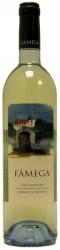
I bought the Caves de Cerca Famega ($7, purchased), which was one of the best-made vinho verdes I’ve had in years. It wasn’t as soft drink fizzy as so many others, and it had more fruit (lime?) and less sweetness. Don’t worry, though, because it’s still light and sweetish, with just 10 percent alcohol. It’s just not as cloying as vinho verde can be.

This is wine for people who want a glass when they get home from work but don’t want to consult their wine oracle about what to drink. Which, actually, is something we should all do more often.