

Tag Archives: three-tier system

The Southern Glazer’s-Constellation deal is one more slap up the head for wine drinkers

Southern Glazer's
There’s big, and then there’s really big after the Southern Glazer’s Constellation deal.

Wholesaler Southern Glazer’s will control the No. 1 and No. 3 U.S. wine companies in key parts of the U.S. Can higher prices and less selection be far behind?

One of the most important pieces of of wine news in years went practically unreported in the Winestream Media this week. Because, of course, it had nothing to do with scores and everything do with limiting consumer choice and raising prices. Can’t let wine drinkers know about that, can we?

The news? Southern Glazer’s, the biggest wine wholesaler in the country, acquired the rights to distribute Constellation Brands, the third biggest wine producer, in about one-third more of the country. That gives Southern control of two of the three biggest wine companies in the world – E&J Gallo and Constellation – in some of the most important markets in the U.S.

And that is bad news for wine drinkers. Southern, already powerful, will be immensely powerful with the Constellation addition. Depending on whose numbers you believe, the Gallo and Constellation combination may give Southern a chance to eventually control as much as half of the U.S. wholesale market

In other words, one wholesaler could control half the wines for sale in your city, thanks to three-tier laws that require all wine to sold through a wholesaler. How can that be good for anyone but the wholesaler, the biggest retailers (Kroger, Costco, and the like), and the producers?

Because it’s not good for wine drinkers. That kind of concentration tends to lead to higher prices and less selection – one of the basic tenets of economic theory. Know that retailers, faced with a choice of making Southern happy by buying its wines or making it unhappy by saying, “No, we want something else,” will almost always opt for the former. Who wants to annoy Southern and lose a chance to buy popular wines like Barefoot, Apothic, Kim Crawford, and Woodbridge?

So we’ll see Southern products on store shelves at the expense of those from smaller wholesalers and producers. The result? Imagine a supermarket Great Wall of Wine where most of the domestic labels will be from two producers, and where those domestic labels will push out imports. How much fun will that be?

The wholesalers – and even Southern’s competitors – will claim that that would never happen, and that they would never use their immense economic power to force someone to buy something they didn’t want to buy. Which they may well believe. But I certainly don’t.

I know what I’ve seen at my Kroger – the slow but steady disappearance of French and Spanish wines, combined with the proliferation of Big Wine labels. And that was before the Southern-Constellation deal. I don’t even want to think about how much worse it’s going to get.

studio microphone

Winecast 56: Tom Wark, three-tier reform, and buying wine on Amazon

tom wark
Tom Wark: All is not lost in our efforts to buy wine over the Internet.

Tom Wark: Some say the Supreme Court only takes an alcohol case every 15 to 20 years. Let’s hope that’s not the case

This month, the Supreme Court dashed the hopes of anyone who wants to buy wine on the Internet when it declined to hear a Michigan case that might have allowed us to buy wine on the Internet. So I asked Tom Wark, who knows more about this stuff than most attorneys, to talk about the chances of three-tier reform to make it easier to buy wine on-line in the wake of the court’s decision.

Wark is the executive director of the National Association of Wine Retailers, a trade group for independent retailers who want to sell wine on the Internet to all 50 states. As such, he is has worked with lawyers and lobbyists to try to figure out a way around the antiquated and obsolete three-tier system.

In this, the podcast is in English, and we hardly speak legalese at all. The topics included:

• Why the Supreme Court declined to hear the Michigan case, and why some attorneys think we’ll have to wait 15 years before we get another chance to overturn the three-tier system.

• Why Wark doesn’t  think that all is lost with the Supreme Court.

• Why reforming the three-tier system would make it easier to buy quality cheap wine, and especially imports.

• And that wine drinkers should contact their state legislators to ask them to allow out-of-state retailers to ship into their state.

Click here to download or stream the podcast, which is about 15 minutes long and takes up 10 megabytes. Quality is good to excellent – Zoom still acts up when I least expect it.

Ask the WC 25: Three-tier reform, wine prices, wine scores

three-tierThis edition of Ask the WC:  Is the Supreme Court going to take a three-tier system case? Plus, what’s happening with wine prices and why does the WC dislike scores?

Because the customers always have questions, and the Wine Curmudgeon has answers in this irregular feature. You can Ask the Wine Curmudgeon a wine-related question by clicking here.

Hi, Wine Curmudgeon:
I really liked your post about buying wine illegally. Is there any chance we can get rid of all these stupid laws and buy wine like normal people?
On-line wine buyer

Dear On-line:
A variety of cases are wending their way through the legal system that could make it possible for us to buy wine from out-of-state retailers and on-line. They include my favorite, Walmart’s attempt to overturn a Texas law that says publicly-held companies can’t get a state retail liquor license. Talk about foolish. However, another case is attracting more legal attention — Lebamoff v. Michigan. Lebamoff, an Indiana retailer, sued to be allowed to sell wine in Michigan. In this, it directly addresses out-of-state retailer sales. Tom Wark, who follows these things in his role as executive director of the National Association of Wine Retailers, told me he thinks there’s a good chance the Supreme Court accepts Lebamoff. If so, it should decide once and for all whether Internet and out-of-state retail sales are constitutional. Having said that, there’s no guarantee the court rules in favor of direct retail shipping if it takes the case.

Dear Wine Curmudgeon:
What’s going to happen with wine prices? I thought they were supposed to go down, but all I see is $15 wine in the grocery store.
Cheap wine buyer

Dear Cheap:
Your guess is as good as mine. The grape glut is real, here and in Europe, and I’m working on a post about that for next week. But I agree — prices don’t seem to have responded to an excess of wine on store shelves. The tariff, of course, is one reason. I also wonder if supply chain problems caused by the pandemic are limiting the supply. A limited supply means prices won’t fall, even if demand has decreased during the pandemic. So we will just have to wait and see.

Greetings, Charmingly Grumpy:
I’m new to the blog.. How come you don’t use wine scores like everyone else?
Inquiring mind

Dear Inquiring:
Scores are one of the three or four worst things about the wine business (the others being corks instead of screwcaps, premiumization, and three-tier). They’re biased in favor of expensive wines, regardless of quality; they don’t give enough credit to “lesser” grape varieties or to white wine; and they reflect the critic’s taste and not necessarily whether the wine is any good. In this, they are a crutch for retailers, who can post 88 points and figure that’s customer service. I explain what the wine tastes like so you can make up your own mind.

Photo: “Dallas Food Truck Truck Festival – August 2011” by BetterBizIdeas is licensed under CC BY-SA 2.0

Winebits 667: Wine calories, three-tier brouhaha, can shortage

wine caloriesThis week’s wine news: The federal government resets the rules to list calories on wine labels. Plus, more three-tier legal excitement in Michigan and the can shortage continues
How many calories? The federal agency that oversees alcohol regulation is making it easier to put calorie numbers on wine labels and to use them in advertising and marketing. The TTB will change its calorie standards to make them more consistent with those of the federal Food and Drug Administration, which regulates calorie and nutrition labels for most of the food we eat. The new alcohol standards will allow greater flexibility for producers who want to use voluntary nutritional statements. For example, wineries won’t need to do a nutritional analysis for each new vintage; they can use the current analysis unless there are major changes in the wine. How big a deal is this? The Wine America trade group, which has long opposed mandatory nutritional labeling, has endorsed the TTB move. So we might see more calorie and nutrition labels on wine – always a good thing.

Slugging it out in Michigan: The state of Michigan is suing out-of-state retailers for selling wine in the state, in violation of Michigan law. The state has some of the strictest three-tier regulations in the country, which include laws letting the state tell retailers what they can charge for wine, beer, and spirits. This follows a similar Ohio lawsuit this summer against out-of-state retailers, marking an escalation in the legal battle to reform the three-tier system to make it easier to buy alcohol. Michigan officials aren’t buying that, claiming in the suit that the two California retailers selling wine in Michigan harm the “the health, safety and welfare of Michiganders.”

Where are the cans? Remember the pandemic-induced can shortage? It hasn’t gone away, reports the Washington Post. “Ball Corporation, the world’s largest manufacturer of cans, told investors this week that the U.S. market alone is short 10 billion cans in 2020. …” Which doesn’t bode well in the short term for canned wine, one of the biggest trends in wine, as well as hard seltzer and craft beer. The story says the largest beer and soft drink producers saw the shortage coming and stocked up. But smaller producers are struggling; one Maryland brewery says it has run out of cans every week since the end of July.

Winebits 662: Ingredient labels, tennis wine, three-tier fraud

ingredient labels
Beer drinkers want to know what’s in their glass, but wine drinkers? Nope.

This week’s wine news: A wine industry survey finds that wine drinkers aren’t interested in ingredient labels, plus a wine celebration at the U.S. Open and two New Jersey distributors are fined $8 million for cheating customers

They didn’t ask me: Most wine drinkers aren’t interested in knowing the ingredients in their wine, according to a survey by the Wine Market Council. The Wine Curmudgeon, of course, has long lobbied for ingredient and nutritional labels as a way to bring more people to wine, but I was not surprised by the results. The council’s bills are paid by the wine industry, which has opposed ingredient labels since the federal government first contemplated the idea more than a decade ago. The other thing to note: The survey didn’t include all consumers – just what the council calls “core” and “marginal” wine drinkers, and it was skewed in favor of core wine drinkers. I wonder: How different would the results have been if it had included all consumers, instead of those who already think they know what’s in their wine? I don’t write this lightly; I have tremendous respect for the Wine Market Council, and its staff has helped me with countless stories through the years. And this post probably means I will never get a phone call returned again. But it has to be said: This result has far less significance than if a Gallup poll of all consumers had found the same thing. Until then, I still believe consumers want to know if their wine contains industrial adhesives.

Bring on the wine: Tennis player Madison Brengle celebrated her upset victory over the U.S. Open’s No. 19 seed last week by chugging a bottle of Sutter Home wine, the New York Post reported. Brengle ran into the stands to drink a 187 ml bottle of an unidentified Sutter Home red after her victory. No report on how many points she gave the wine or whether she was a core or marginal wine drinker. And Brengle didn’t get a chance to celebrate again – she lost in the next round in straight sets.

$10.3 million fine: New Jersey’s two largest distributors were fined $4 million each for cheating many of the state’s liquor retailers, reports WRNJ. The legal charge was “discriminatory trade practice” – wholesalers Allied Beverage Group and Fedway Associates agreed to pay the record-high fines and promise to never to do it again after a two-year investigation by the state’s liquor cops. In addition, 20 retailers were fined $2.3 million for participating in the wholesalers’ scheme. The story in the link has the detailed charges; it’s enough to know  that Allied and Fedway worked with the 20 retailers, using illegal payments, to cheat smaller retailers. I wonder: If we need the three-tier system to protect us from corruption, who is going to protect us from corruption in the three-tier system?

Winebits 661: Walmart lawsuit, Cracker Barrel wine, Amazon Fresh

walmart lawsuit
“How about a glass of wine with that t-shirt?”

This week’s wine news: Walmart gets an ally in plan to open liquor stores in Texas, plus Cracker Barrel adds booze and Amazon plans full-sized supermarket without checkout – unless you’re buying alcohol

Walmart lawsuit: The U.S. Chamber of Commerce has filed a brief supporting Walmart’s attempts to open liquor stores in Texas. This is a big deal; the chamber of commerce, though pro-business, usually doesn’t choose between businesses. In this case, the Texas Package Stores Association, which represents most of the state’s liquor retailers, is Walmart’s arch-enemy in the liquor store lawsuit. No word yet on when the Supreme Court will decide whether to accept Walmart’s appeal. Most recently, a federal appeals court ruled against Walmart, agreeing that a Texas law that forbids publicly-owned companies from getting a retail spirits license is constitutional.

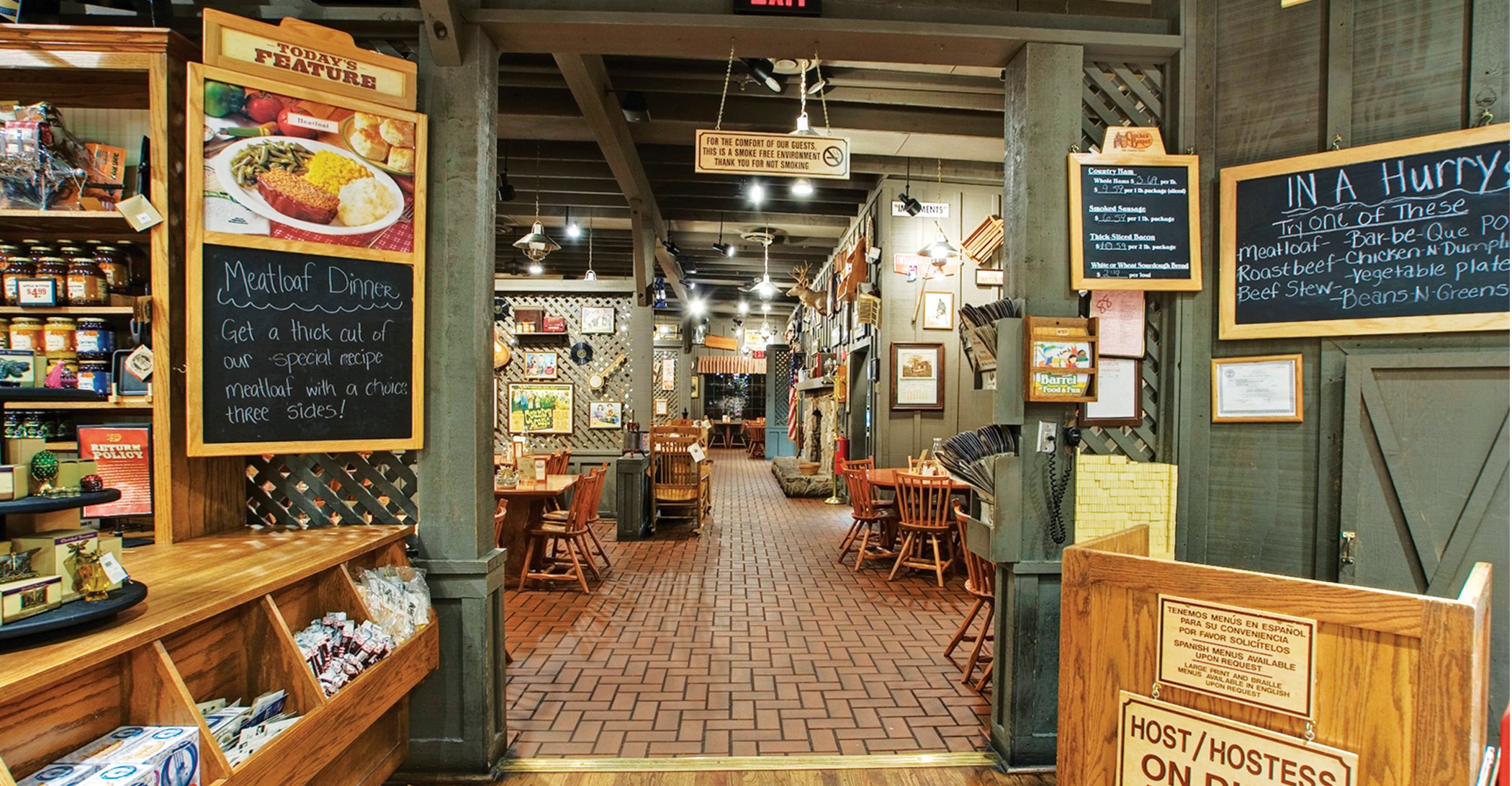
Cracker Barrel booze: Cracker Barrel, the interstate highway restaurant chain known for a front porch and souvenir shop, has added 60 restaurants to the number of locations selling beer, wine and mimosas. That brings the total to 80; the restaurants are in Florida, Kentucky, and Tennessee. This is an interesting experiment, given that many of the chain’s stores are in the South, where there are still religious objections to drinking, and that many of its customers will get back on the interstate to drive hundreds of miles after eating.

Amazon Fresh: Remember all the fuss in the cyber-ether when Amazon opened its Amazon Go convenience stores, which didn’t have traditional checkout? Then get ready for more excitement. The e-tailer has opened a 35,000-square-foot store in suburban Los Angeles, with the goal to help shoppers avoid a checkout line. Except, of course, if they’re buying wine or beer. As we noted here when Amazon Go opened, there was an employee to check ID, and one reporter noted: “There was nothing fancy or high-tech about this when I went to peruse the beer.”

Photo courtesy of Nation’s Restaurant News, using a Creative Commons license

Follow-up: The sham and hypocrisy behind the three-tier system

three-tier system
“Ain’t it grand to be doing journalism again?”

Was the cyber-ether outraged by my three-tier system post? Nope. It mostly agreed. And that may be the biggest surprise of all

The blog’s traffic for the two days after Thursday’s three-tie system post was greater than any two-day period in the past 18 months, about three times normal.

So one would expect lots of comments, lots of emails, lots of flaming, right? After all, this is the Internet in the second decade of the 21st century, isn’t it?

In fact, just the opposite happened: Hardly a murmur of protest, hardly any comments, and only one person who canceled their email to the blog. In my world, cancellations are the mark of a controversial post – the more controversial, the more cancellations. But in this case, more people were worried that I would be arrested for illegally ordering wine from an out-of-state retailer than the number who called me names. How weird is that in today’s cyber-ether?

But, after parsing what happened over the past couple of days, maybe it’s not really weird at all. That’s because almost everyone who doesn’t have a vested interest in protecting the system accepts it for what it is – obsolete and inefficient on its best days, and corrupt on its worst. So why bother to complain? As one comment put it: “The three-tier system exists only to protect distributors – the health issue is pure hypocrisy. …”

Which speaks to a larger and more troubling point – not just about wine regulation, but about how the world works these days. The sense is that those in charge will do what they want to do, be it in politics, banking, Wall Street, technology, or the Internet, and that there is little the rest of us can do about it.

Frankly, that is a decidedly un-American approach, and it’s one I don’t believe in. If I did, I’ve wasted most of my professional life, and I know I haven’t done that. And it also explains why I wrote the post and set up the reverse sting – if the Winestream Media is going to acquiesce, that’s all the more reason for the rest of us to rouse as much rabble as we can. Which I have done my entire professional life, and which I will keep doing until I am buried, keyboard between crossed arms.

And, sadly, it also explains why so many people were worried I would be arrested. They’ve forgotten what the news media is supposed to do, which is journalism — and which is not reprinting news releases touched up with bad, punny headlines When I was a young newspaperman, this sort of thing was common – the Mirage Tavern, the bible that wasn’t in the room, and so many more. These days, newspapers are assets to be butchered to make even more money for their owners, who are usually already richer than the rest of us.

Am I the New York Times, and will this post change the world immediately? Nope. But every bit helps, and especially at a time when we need help so badly.