“What does the WC suggest for summer wine drinking?”
Reviews of wines that don’t need their own post, but are worth noting for one reason or another. Look for it on the fourth Friday of each month. This month, four summer wines.
• AIX Rose 2020 ($20, purchased, 12.5%): Hugely popular Provencal pink made for the U.S. wine drinker who wants all wine to taste like it came from California. So this is softer and fruitier (watermelon and strawberry), with less minerality. Nothing wrong with it if that’s what you think Provencal should taste like — and if you think that’s what rose should cost. Imported by Kobrand
• Marques de Cáceres Verdejo 2020 ($10, purchased, 13.5%): This Spanish white is much more supermarket in style than the 2018, which was terrific. It’s just tart (lemon?) and not much else. Not badly made — just not as nicely done as the 2018. Imported by Vineyard Brands
• Ponga Sauvignon Blanc 2020 ($14, sample, 12.5%): Well-made supermarket sauvignon blanc from New Zealand. Yes, lots of grapefruit, but hints of one or two other things stashed in the middle that make it more than it should be. Sadly, this wine would cost $9.99 in a perfect world. Imported by Winebow
• Clean Slate Riesling 2019 ($10, sample, 10,5%): Disappointing German riesling made in the “focus group” style. That means appreciably and annoyingly sweet and devoid of almost all riesling character save for some sort of peach something or other. This is the kind of $10 wine the industry gives us because they assume we don’t know any better. Imported by Mondovino
Yes, I know I’ve used this picture before. But it’s just so Father’s Day.
Father’s Day wine 2021: Four wines for Dad to enjoy
This year’s Father’s Day wine post finds wine not nearly as bad off as it was a year ago. So celebrate with the blog’s Father’s Day wine 2021. And don’t forget the blog’s wine gift-giving guidelines — don’t buy someone wine that you think they should like; buy them what they will like.
Father’s Day wine 2021 suggestions:
• Villa Gemma Cerasuolo d’Abruzzo Rose 2020 ($20, sample, 14%): This Italian pink intimidated me, what with its price and alcohol content. Fortunately, I tasted it with the Italian Wine Guy, who told me to just shut up and enjoy it. And he was correct: Almost savory, with strawberry and raspberry fruit — a very sophisticated rose. Highly recommended. Imported by Vintus
• Prophecy Sauvignon Blanc 2019 ($12, purchased, 12.5%): Spot-on supermarket sauvignon blanc from New Zealand (and E&J Gallo) that reminds me why these wines offer so much value. Simple, but well made and clean, with a bit of lemon to go with the not too tart grapefruit. Much better than I expected, given the blather on the back label: “aromas of cool sea air.” Imported by Prophecy Wines
• Citra Sangiovese 2019 ($12, sample, 13%): Not quite as well done as the 2017, but still a simple, enjoyable Italian red wine and just the thing for burgers on the grill. Look for cherry fruit, a little acidity, and some spice. Imported by Winebow
• Juvé y Camps Brut Rose NV ($17, purchased, 12%): This Spanish pink sparkler is known for including pinot noir instead of the more traditional trepat, so it’s always a little less tart than other cavas. But always well done — soft strawberry fruit and lots and lots of tight, tiny bubbles. Imported by Vintus
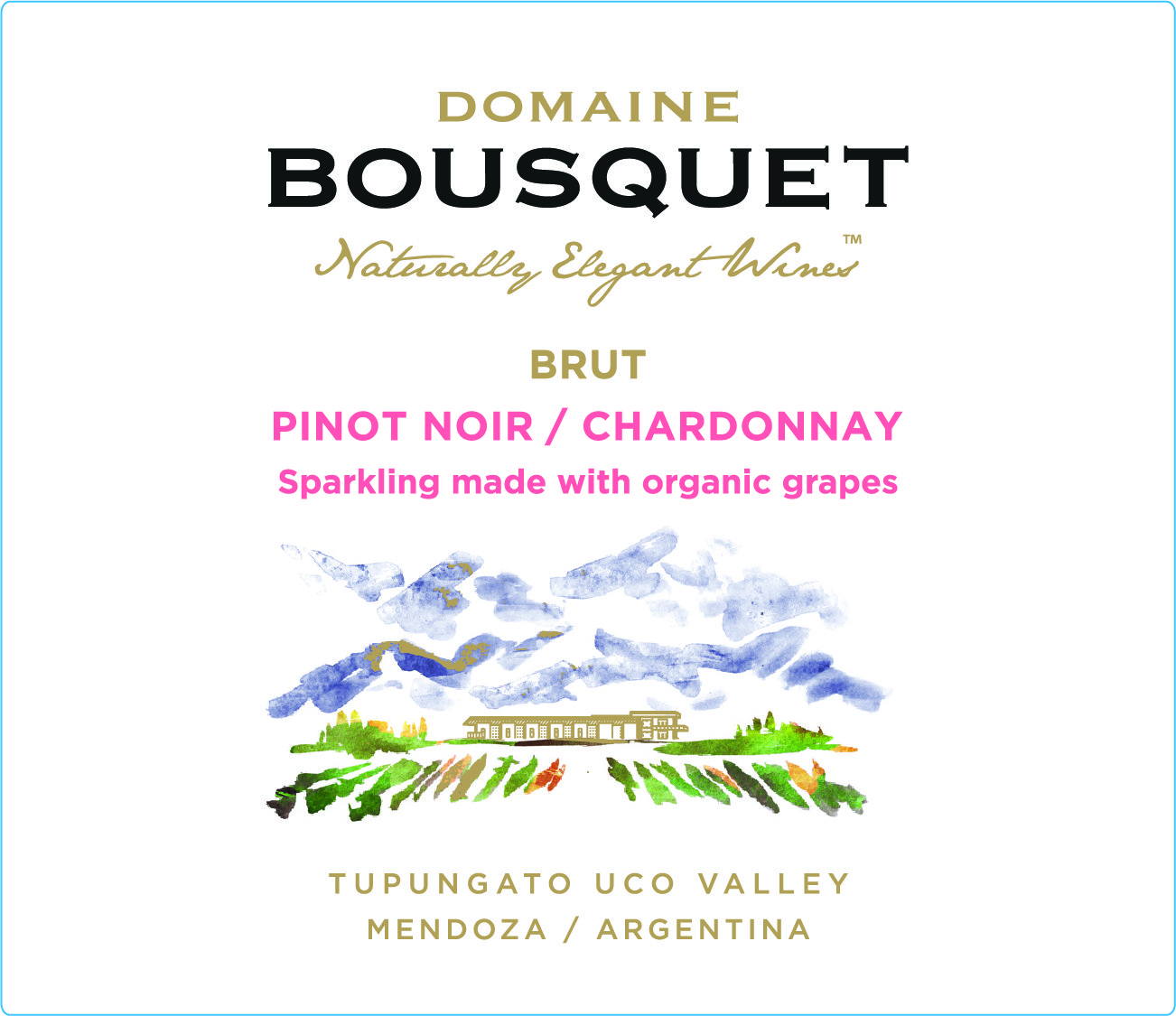
The Domaine Bousquet Sparkling Rose is a first-rate Argentine bubbly — and a terrific value
Know two things about this wine: First, it’s difficult to find quality dry sparkling wine made with the charmat method, and especially at this price. Second, I should have reviewed it months ago – it’s that well done.
So consider this a wholehearted endorsement of the Argentine Domaine Bousquet Sparkling Rose NV ($12, sample, 12%). In fact, I didn’t expect to like it, and I couldn’t have been more wrong. Which is why the first rule of wine criticism (as I always remind myself) is to taste the wine before judging it.
Too much charmat sparkling is soft, has flabby bubbles, and doesn’t have enough acidity or fruit to balance its sweetness. None of that is the case here. Even more remarkable is that the wine is made with two grapes – pinot noir (75 percent) and chardonnay (25 percent) – that don’t necessarily do well in Argentina.
Nevertheless, it works here. Look for lots of fresh red berry fruit from the pinot noir as well as a pleasant, almost citrus aroma. The chardonnay adds body and acidity; the residual sugar is as high as some sweeter tasting sparklers, but the sweetness isn’t obvious here. And the bubbles are first-rate, tight and small.
Highly recommended, and almost certain to enter the $10 Hall of Fame in January. Chill this and drink it on its own, or pair it with almost anything you’d drink rose still wine with. And be glad I finally remembered to review it.
Reviews of wines that don’t need their own post, but are worth noting for one reason or another. Look for it on the fourth Friday of each month. This month, five rose reviews as part of the blog’s 14th annual rose fest.
• The 14th annual Memorial Day and rose 2021 post
• Perrin & Fils Côtes du Rhone Rose Reserve 2020 ($10, purchased, 13%): This is a top-notch $10 French rose from the same producer that does WC favorite La Vieille Ferme. Look for some berry fruit and even some spice, but it’s not soft despite grenache in the blend. Imported by Vineyard Brands
• Josef Leitz Rheingau Rose 2019 ($17, sample, 12%): Well-made and enjoyable German rose made with pinot noir and without a spec of sweetness — almost Provencal in style, with strawberry fruit and stoniness. Price is problematic. Imported by Schatzi Wines
• Rocchetta Futurosa Rosato 2018 ($8, purchased, 13.5%): This Italian pink is one of the best roses I tasted in the past year — stunning, almost savory, with cherry fruit and a finish that seems to go on forever. Highly recommended, though availability may be a problem; I bought it on close out at half its normal price. Imported by Serendipity Wines
• Protocolo Rose 2019 ($9, purchased, 12,5%): The Protocolo wines are mostly known for their price, so quality is inconsistent. Having said that, this is an amazing Spanish rose — tart and fresh, despite the vintage, with almost orange-ish fruit. Highly recommended. Imported by Fine Estates from Spain
• Jolie Folle Rose 2019 ($13/1 liter, purchased, 12.5%): This is a pleasant, well-made French pink that sits between Provencal and the New World in style — strawberry fruit, but not too much, and a lingering minerality on the back. Plus, it’s a value at 1 liter, even with the tariff. Imported by T. Elenteny Imports
“Let’s see — which of these roses that the WC likes should I buy?”
The blog’s 14th annual Memorial Day and rose celebration reminds us how wonderful pink wine is — and how little it needs to cost
Yes, there’s lots of bad pink wine news as the blog celebrates its 14th annual Memorial Day rose extravaganza — too many so called dry roses that are actually sweet, too many $20 roses that aren’t appreciably better than $10 roses, and the lingering effects of the Trump wine tariff, which means higher prices and limited availability.
But who cares? Many of us can drink rose with our friends and family this weekend for the first time in more than a year, as the pandemic begins to loosen its grip. And the tariff, thanks to enlightened leadership in the U.S. and EU, looks like it will end sooner rather than later.
So nuts to the bad stuff, and let’s drink great, cheap, delicious — and honest — rose. And that means not sweet, not high in alcohol and not tannic. And don’t forget the blog’s rose primer and the rose category (from the dropdown menu on the lower right), which lists 14 years of rose reviews.
One note: I have not been to find the 2020 vintages of the Spanish Zestos and the French La Viellie Ferme and Mont Gravet roses, all of which are always worth buying. However, there is still lots of the 2019s, and they’re still top-notch.
Today, six standout roses – each highly recommended. Tomorrow, five more roses worth writing about:
• Bielet Pere et Fils Sabine Rose 2020 ($13, sample, 12.5%): Prices are all over the place for this French pink, which is one of the world’s best every year — as little as $10 or $11 to as much as $16 or $17. The 2020 is terrific again — pleasantly tart strawberry fruit and wonderfully fresh, if not quite what the 2019 was (maybe missing some garrigue?). Talk about setting a high bar. Imported by Bieler et Fils
• Pedroncelli Dry Rose of Zinfandel 2020 ($13, sample, 13.7%): Each year, Pedroncelli turns out a rose that shows off a more traditional California style. That means heavier, but not heavy, and darker, deeper fruit (red berries and cherry), but still long and clean. So different and interesting and well worth buying.
• Faisao Vinho Verde Rose NV ($10/1 liter, purchased, 10.5%): How can vinho verde — and pink vinho at that — be made so well and taste like wine? A little spritzy, something akin to lemon strawberry fruit, and not so sweet you’d notice it if you weren’t looking for it. Imported by Winesellers Ltd.
• LaValentina Cerasuolo d’Abruzzo Rose 2019 ($12, purchased, 13,5%): The Italian Wine Guy and I tasted a quite delicious $20 rose from the same region in Italy, which made me appreciate this one that much more. Fruity (cherries?) and almost savory. A fine example of a not too common style. Imported by Dallas Terra
• Apaltagua Carmenere Rose 2020 ($13, sample, 13.5%): This is a Chilean rose, made with a uniquely Chilean grape, but that resembles classic Spanish rose. That means almost orange-ish in color, barely ripe berry fruit, sort of savory, and very clean and crisp. Once again, an exampole that all roses aren’t alike. Imported by Global Vineyard Importers
• Charles & Charles Rose 2020 ($12, sample, 11.8%): Winemakers Charles Bieler and Charles Smith combine on this Washington state rose, which shows up on this list every year. This vintage displays its usual brilliance — very Provencal in the back, almost tart, and with terrific strawberry fruit from the syrah. This, too, is priced from $12 to $17.
This vintage of the La Vieille Ferme Rose is another truly professional effort that’s well worth drinking
Once more, the Wine Curmudgeon’s thanks to whoever and whatever has given us La Vieille Ferme’s commitment to cheap, quality, and readily available rose. The 2020 is yet again top-notch and enjoyable, a French pink that is dry, rose-like, and a value – a fitting wine of the week for the blog’s 14th annual rose extravaganza.
It’s a Rhone-style blend of three red grapes – cinsault, grenache, and syrah. Look for cherry and berry fruit, and something the wine’s tasting notes call peach but isn’t quite that defined. Equally as important, it’s bone dry, with a bit of stoniness and clean as it can be.
I brought this wine to a May cookout, and the host didn’t have any wine glasses. So we drank it in plastic cups, a la Marseillais, and it was still terrific – another truly professional effort..
The Wine Curmudgeon pairs wine with some of his favorite recipes in this occasional feature. This edition: three wines with classic Cajun crawfish etouffee
Crawfish season is coming to a close in south Louisiana, which means it will be harder to find a a picnic table covered with boiled crawfish to salivate over. But isn’t part of the Wine Curmudgeon’s job to solve problems like that?
Hence, crawfish etouffee, which I actually prefer to a boil. Peeling crawfish has never been one of my best things, and etouffee is more wine friendly. Boiled crawfish is beer, and usually Budweiser. And not to worry if the idea of “etouffee” sounds intimidating. An etouffee is a simple stew – nothing more than a roux, some aromatics, and the crawfish. And please, no tomatoes.
Finding crawfish isn’t difficult, either. Use packaged, pre-cooked tails, which are more common than ever in supermarkets and the Internet. Just don’t buy imported crawfish tails, which are rubbery and have no taste. Sadly, these brands carry Cajun-sounding names like Bernard’s and Thibodeaux’s. So make sure to check the “product of” line on the package.
• Le Paradou Viognier 2019 ($10, purchased, 12.5%). This French white features stone fruits, a bit of citrus, and some minerality. It’s not sweet, but wonderfully fruity. Imported by European Cellars
• Aplanta 2019 ($11, purchased, 13.5%): Well-made Portuguese red that offers value and varietal correctness. Fresh red fruit, a little Portuguese heaviness in the mouth, and mostly balanced. Needs food. Imported by Ole & Obrigador