



Tag Archives: rose wine

Winebits 532: Rose is still hot, Coke’s new booze, and grocery store wine

roseThis week’s wine news: Rose growth continues, plus Coke is launching alcopop in Japan and on-line grocery store wine sales

Bring on the pink: Rose shows no signs of slowing down, despite what some curmudgeonly wine writers might think. This post in a trade publication calls it a “category killer,” which means its sales are growing much, much faster than other wines. According to Nielsen, rose is outpacing overall U.S. wine growth and still growing at double digits – “a rate unheard of in other categories.” I’m convinced (and ignoring the hip factor, which has played a role) that’s because rose represents one of the last values in wine – a quality product at a fair price that tastes like it should.

One more time: Coke, whose failure in the wine business 30 years ago was almost as big a debacle as New Coke, is launching an alcoholic beverage in Japan – call it alcopop. The BBC reports that Coke wants to take advantage of “the country’s growing taste for Chu-Hi — canned sparkling flavored drinks given a kick with a local spirit called shochu.” The products, sweet and fizzy, have about as much alcohol as beer, three to eight percent. Chu-Hi is especially popular with younger women.

Directly to your door: A European consultancy says U.S. supermarkets will boost wine sales via on-line and home delivery – shocking news for those of us who have watched the three-tier system have the opposite effect. But a Rabobank report says its “relative irrelevance will not last long. We firmly believe it will develop into the most important driver of on-line alcohol sales.” The reason, says the report, is that alcohol delivery will benefit from projected growth in increased grocery store delivery, piggybacking on its increase. It also cites a huge boost in Google searches for “alcohol delivery.” Which is all well and good, but there’s a long way from a Google search to actual on-line delivery.

Mini-reviews 106: Day Owl rose, Basque wine, Bousquet, and Innocent Bystander

day owlReviews of wines that don’t need their own post, but are worth noting for one reason or another. Look for it on the fourth Friday of each month.
Day Owl Rose 2017 ($13, sample, 12%): Intriguing California pink made with the barbera grape, not common in California or in rose. It’s still a bit young and a little heavier than I like (thanks to the barbera), but it’s a solid effort. Look for very aromatic cherry fruit and a sort of stony finish.

Etxeberria Bengoetxe 2015 ($20, purchased, 12%): This Spanish white from the Getariako Txakolina appellation in the Basque region is about as geeky as wine gets. The grape, hondarribi zuri, is past obscure, while the wine will sometimes have a little natural carbonation. Or not, as the case may be. It’s lemony and soft, but not sweet, and almost savory. Highly recommended, especially for summer.

Domaine Bousquet Sparkling Brut Rose NV ($13, sample, 12%): Fruity Argentine bubbly (berries?) that isn’t quite Prosecco, but soft and missing a little oomph. Not badly done, but $13 can buy more interesting sparkling.

Innocent Bystander Sauvignon Blanc 2016 ($15, sample, 13%): One note New Zealand white, and that note is red grapefruit from beginning to end. This is professionally made wine, which makes me wonder – and at this price – why they didn’t try to add some complexity.

Christmas wine 2017

christmas wine 2017Four choices for Christmas wine 2017 to help you enjoy the holiday

Suggestions for Christmas wine 2017, whether for a last minute gift or for a holiday dinner. As always, keep our wine gift giving tips in mind:

Ken Forrester Petit Rose 2017 ($10, purchased, 13%): Top-notch South African pink from one of my favorite producers. More in the Loire style, even though it uses Rhone grapes (grenache and a little viognier), so less fruit (unripe strawberry) and more stoniness and minerality. Highly recommended. Imported by USA Wine Imports.

Sauzet Puligny-Montrachet 2013 ($79, purchased, 13%): My favorite white Burgundy, and perhaps my favorite chardonnay in the word. This vintage is more tropical than I expected (lime and almost banana fruit), but still crisp, minerally, and white Burgundy-like. And the oak, with hints of pecan and caramel, is a revelation, a master class in how to age wine. A tip o’ the WC fedora to the Big Guy, who brought it to a recent wine lunch. Highly recommended, and especially as a gift for someone who loves wine. Imported by Vineyard Brands.

Bervini Rose Spumante Extra Dry NV ($18, sample, 11%): Old-fashioned Italian bubbly, the kind we drank in the 1960s and ’70s — more fizzy than sparkling, a touch sweet, and balanced with raspberry fruit. It’s well made and fun to drink, but price might turn some people off. Imported by WineTrees USA.

Silver Totem Cabernet Sauvignon 2014 ($16, sample, 13.5%): An amazing Washington state red wine that comes from Big Wine producer Banfi, but tastes like Washington state cabernet. Everything is where it is supposed to be — some heft, some rich dark fruit but not too ripe, and enough acidity so the wine is more than smooth. Highly recommended.

More about Christmas wine:
Christmas wine 2016
Christmas wine 2015
Christmas wine 2014
Expensive wine 101: Franco-Espanolas Bordon Gran Reserva 2005
Expensive wine 104: Dönnhoff Norheimer Kirschheck Riesling Spätlese 2014

Wine of the week: Yalumba Y Series Rose 2016

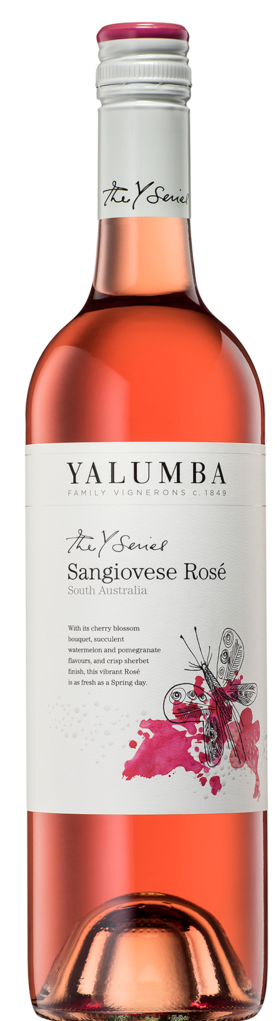
Yalumba Y series roseThe Yalumba Y series rose is a top-notch $10 wine that is just what Thanksgiving requires

Of all the best things about the rose boom, perhaps the best of the best is that roses that were difficult to find before aren’t anymore. I haven’t seen the Yalumba rose, a long-time favorite, in years. But there it was on the store shelf, just in time for Thanksgiving.

The Yalumba Y series rose ($10, purchased, 12%) has almost always been as well made as it has been difficult to find. I asked a Yalumba official about this a couple of years ago, and she said its availability in the U.S. was limited because of importer problems. But given rose’s surge in popularity, even that has apparently been surmounted.

The Australian-made Yalumba, composed of sangiovese, can be one of the world’s great roses when all comes together. The 2016, a previous vintage since it comes from the southern hemisphere, is close to that – still bracingly fresh, with unripe cherry fruit, a wonderful mouth feel, minerality on the back, and all in balance.

Highly recommended, and almost sure to join the 2018 $10 Hall of Fame. In a time when cheap wine quality seems to be a memory, Yalumba understands that $10 and quality are not contradictions.

Imported by Negociants USA

Mini-reviews 102: Saint-Cosme, verdejo, rose, Prosecco

saint-cosmeReviews of wines that don’t need their own post, but are worth noting for one reason or another. Look for it on the fourth Friday of each month.
Saint-Cosme Côtes du Rhône 2016 ($14, purchased, 14%): Second ordinary vintage in a row of one of my favorite French reds. This one, too, doesn’t have enough grip (though there is more than in the 2015). It has quality Rhone cherry fruit and some pepper, but the middle is shallow. Maybe bottle age will help. Imported by Winebow.

Real Compania de Vinos Verdejo 2014 ($10, purchased, 12.5%): This Spanish white is tired and worn out, with a little spice but not much else and none of verdejo’s wonderful fresh character. Beware older vintages of wine you’ve never heard of from producers you don’t know. Imported by Quintessential.

Vignerons de Tavel Le Rosé des Acanthes 2016 ($7.50, purchased, 13%): This French pink isn’t especially crisp, the cherry fruit isn’t all there, and it’s a little stemmy. Having said that, it’s perfectly acceptable for the price. More important, this is the sort of ordinary rose we never saw when pink wasn’t popular. Now, these kinds of wines are all over the place. Imported by Fruit of the Vines.

Cecilia Beretta Prosecco Brut Millesimato 2015 ($15, purchased, 11%): This Italian sparkler is bland and inoffensive, but sufficiently bubbly – about what I have come to expect from Trader Joe’s wines. Imported by Latitude Wines.

Enough already: Who cares who started the rose boom?

rose boomBecause no one did, and it’s an insult to those of us who drink pink to claim we needed someone to point the way

This fall, three different PR flacks emailed me to make sure the world knew that their clients started the rose boom. And this doesn’t include the woman who wrote that social media was responsible – praise Instagram for all those hipsters and Millennials posing with their pink wine.

Enough already.

Why do we need “a founder” to explain the popularity of quality cheap wine? Why is everyone so surprised that wine drinkers discovered something inexpensive and enjoyable on their own?

Because, of course, wine drinkers aren’t supposed to be smart enough to figure it out for themselves. We need someone to tell us what to do. Isn’t that how the wine business works?

Know this, and know it now: Rose’s increased popularity was only surprising to everyone who wasn’t paying attention. Europeans have been drinking it for years, without any help from marketing types or social media gurus. The wine business and its allies in the Winestream Media were so busy telling us that we would be drinking whatever wine that they thought was cool that they didn’t notice what we were drinking.

Rose.

And why not? It’s readily available. It’s almost always well made, even when it costs as little as $5 a bottle, and it’s rarely necessary to spend more than $10 a bottle to get a quality wine. Plus, it’s crisp, refreshing, and fruity. What more can anyone ask for in a cheap wine to enjoy on a Tuesday night in the middle of summer?

So why was rose such a surprise? Three reasons:

• U.S. wine drinkers weren’t supposed to be sophisticated enough to drink rose, because it was so European. After all, didn’t we – shudder – drink white zinfandel?

• Rose, because it doesn’t cost much, didn’t fit in with premiumization, the idea that we’re buying more expensive wine. So it wasn’t pricey enough to become a trend.

• It is a wonderfully exhilarating exception to what the wine business teaches consumers about wine: That we have to buy wine to pair with a meal or for a specific occasion. That rose exists regardless of what you eat with it or why you drink it is a revolutionary concept in the top-down, do what you’re told world of wine. This is, after all, where those of us who tell people to drink what they want are seen as the enemy.

So, no, no one invented rose. We drank it because we liked it. In the end, that may be the best part about the rose boom.

More about the rose boom:
They’re trying to ruin our beloved rose
The Wine Curmudgeon as hipster: Dude, he likes rose
Has the rose craze peaked?

Wine of the week: Layer Cake Rose 2016

layer cake roseThe Layer Cake rose is California pink wine with style and a fair price

In the early days of the blog, I wrote about Layer Cake wines quite a bit, if for no other reason than the producer sent me samples. Then I wrote this, got a comment from the producer, and the samples stopped.

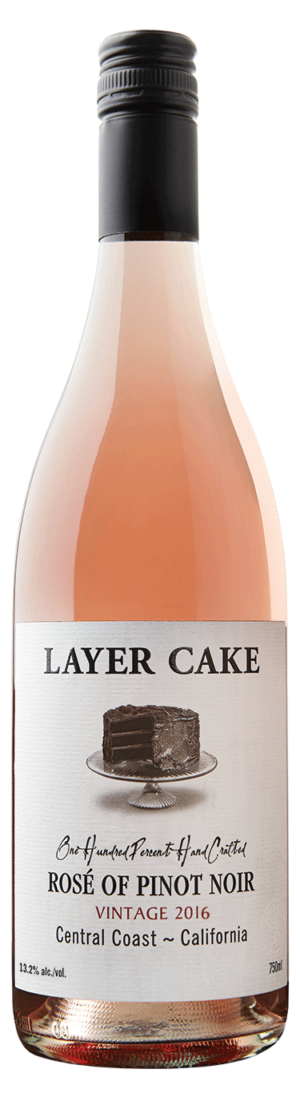
So when I bought the Layer Cake rose ($12, purchased, 13.2%), I did so with an ulterior motive. If I liked the wine and wrote a positive review, would the samples return?

Because the Layer Cake rose is quality pink wine from California’s Central Coast – much better than I thought it would be, showing both varietal correctness and even a little terroir. In this, it reminded me of the Toad Hollow rose that Todd Williams made before he died.

That means cherry pinot noir fruit, fine rose-style acidity, and even some flintiness in the back — not flabby or soft at all. The latter is an especial problem with many grocery store wines, which prize focus group smoothness above all other qualities.

This is a rose to enjoy whether it’s a record-setting 96 in Dallas in October or if you just like rose. And it’s also a wine to keep in mind as the holidays approach.

And not to worry, Layer Cake. You don’t have to start sending me samples again. I’m OK with our relationship the way it is.