Quality Oregon pinot gris for less than $15 – a fine way to start the new year
Few wines have suffered as much from premiumization as Oregon pinot gris. Not that long ago, there were a variety of quality brands selling the white for $15 or less. Now, those wine are almost all gone, and what’s left at that price is sweet or boring or both.
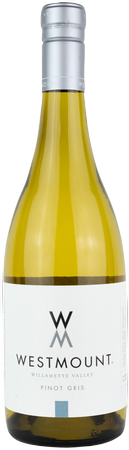
This is a delightful, almost subtle Oregon pinot gris – all in all, much more than I dared hope for. It reminded me of the quality wines I used to buy at this price, before all those brands went over to the dark side (and since they know who they are, there’s no need to name them).
It’s not exactly classic Oregon pinot gris; there’s more pear than bright lime fruit and more minerality than most. Some of the tasting noteseven mention spice, which may be on hand if you’re looking for it. Regardless, a surprisingly complex wine for the price.
Chill this and drink it on its own or pair it with grilled chicken breasts. Now, sadly, the caveats: prices are all over the place (as much as $20), and the wine may be difficult to find (even though I bought it just a couple of months ago). But that’s the wine business for you.
How about another Shakespeare quote this year? Or, more exactly, not quite a Shakespeare quote? “Gnarly, dude.” Because, after the past couple of years, it’s time for a good laugh.
• McManis Pinot Noir 2020 ($12, sample, 13,5%): Lots of nits to pick with this California red — too much oak, it doesn’t need all that vanilla, and the acidity seems a bit out of whack. Having said that that, this is about as close to legitimate pinot noir from California at this price as you’re going to find. It’s fruity (berries and cherry), but not overblown, and the tannins are soft. It is wine, and not smoooth.
• Anne Amie Pinot Gris 2021 ($20, purchased, 13.9%): Would that all wine at this price was this well made and this true to its variety and terroir. This Oregon white has lots of lime, but is also balanced — a bit of mineral and some zippy acidity. Highly recommended from one of the WC’s favorite producers.
• Veuve du Vernay Brut NV ($9, purchased, 11%): There are, apparently, warehouses and warehouses jammed with inexpensive French sparkling wine, made with methode Champenoise for $10 or so and that are well worth drinking. This is one of them, soft but more than just fizzy, with some lemon and apple fruit and a longish finish. Imported by Patriarche USA
Patricia Green Cellars Dollar Bills Only Pinot Noir 2020/$17-$20
Bring on the smoke taint paranoia – even when there isn’t any smoke taint
Smoke taint is one of the least understood phenomena in the wine business. Little research was done previous to the West Coast fires of the past several years, and the most important work was done in Australia. Which, given how different Australia’s terroir is from the rest of the world, might mean those results don’t necessarily apply elsewhere.
Sigh. Would these people do their own plumbing or electricity the way they pass judgment on wine?
First, Patricia Green is a top producer, and it’s accusing the winery of a great malfeasance to say it’s selling smoke-tainted wine. Second, the wine tasted as it should to me, as well as to the others I tasted it with. And I like to think I’ve picked up a few things in more than two decades of tasting wine professionally.
The wine didn’t taste of smoke. It tasted like Patricia Green pinot noir. That is, a stunning Oregon pinot noir from a top producer that is heads and shoulders above almost everything else at that price. It’s berryish and sort of herbal and funky, while the tannins do exactly what they should in a pinot noir.
So why all the hoopla? Two reasons, I think. First, it costs less than $20, and we all know that great pinor noir has to cost much more than that. Second, it’s not big, it’s not sweet, it’s not smooth, and it’s not dark and rich. Which, as we all know, is what point noir is supposed to taste like these days.
So nuts to the wine geeks. Highly recommended, and just the thing for the holidays.
This Oregon white wine takes the state’s pinot gris in a different – but equally enjoyable – direction
Oregon pinot gris, though not as popular as the state’s pinot noir, has long been one of the best styles of wine that not enough people know about. It’s fresh, much more interesting than the tonic water pinot grigios from Italy and California, and sometimes can be layered and complex.
Sadly, that’s no longer the case – even ordinary, supermarket-quality wines cost more than $15. So when I find something like the Elk Cove Pinot Gris 2020 ($18, purchased, 13%), it’s worth writing about, even though it costs more than I usually spend.
That’s because the Elk Cove is a lovely, fresh, and appealing Oregon pinot gris that shows how diverse the grape can be. Many of the state’s pinot gris feature crisp lime fruit, sometimes venturing into lemon and lime. But the Elk Cove is made in a softer style (melon, tangerine and papaya, maybe, if we’re going to be geeky) that is as welcome as it is different.
Having said that, the wine isn’t cloying or chardonnay-rich in its approach; then it wouldn’t be pinot gris. The grape’s appealing minerality is still there on the finish, and it’s still a terrific food wine as pinot gris almost always is.
Highly recommended – not only for quality, but because it is a fine value at this price.
The Wine Curmudgeon pairs wine with some of his favorite recipes in this occasional feature. This edition: three wines with my mom’s chicken parmigiana
My mom is a fine home cook, and one reason I write about wine and cook as much as I do is because she was so good. We even watched Julia Child together, in those long ago days when you had to keep a pad handy to write down the recipe.
Chicken parmigiana was always one of her best dishes, and my brother and sister would look forward to it as much as I did. In fact, I still have the recipe, written on a sheet of yellow legal paper, that I took to college with me.
Now, is this classic chicken parmigiana? Nope. Actual Parmigiano Reggiano was not easy to find then. But know that Mom never used the stuff in the green plastic shaker. And, frankly, sometimes classic is in the eye of the beholder. Food, like wine, is as much about who you enjoy it with as the dish itself.
I’ve tweaked the recipe a bit over the years, making the coating simpler and less thick; it’s parmigiana, not chicken fried steak. And I use a Julia Child tip for the cheese — vary it for more interest (but Reggiano, if I have it). One thing I haven’t changed: Serve it with green noodles, because we always did.
• Abacela Fifty-Fifty Tempranillo-Malbec 2017 ($32, sample, 13.8%): Lush, rich and full, showing off Oregon malbec and tempranillo — lots of dark fruit, red and black, a little spice, and fine tannins. Very nicely done.
• Renieri Rosso di Montalcino 2017 ($13, purchased, 14.5%): Polished, structured, and enjoyable Italian sangoviese blend that tastes like it costs much more than the $13 I paid for it. How often does that happen? Imported by Southern Glazer’s
• Gru Montepulciano d’Abruzzo 2017 ($11, purchased, 13.5%): Italian red that takes montelpuciano to a place I didn’t think it could go — earthy, funky, deep, dark, and black cherry fruit. Somehow combines all that is wonderful about Italian wine with modern winemaking techniques. Highly recommended. Imported by R.S. Lipman Company
Willakenzie’s Estate Chardonnay is a top-notch, New World-style Oregon white
Oregon is best known for pinot noir; chardonnay has traditionally been an afterthought. In fact, pinot gris has been the state’s main white wine for years.
That approach, though, has been changing. One reason, according to a long-term Oregon winemaker: High-end chardonnay has a bigger market than high-end pinot gris – depending, of course, on quality.
Which is where WillaKenzie’s Estate Chardonnay ($72, sample, 13%) comes in, even with the hefty price tag. This Oregon white is an impressive New World-style chardonnay that shows that Oregon producers can do for chardonnay what they’ve done with pinot noir.
In this, the Willakenzie estate chardonnay isn’t too ripe or too oaky, as might be expected from a similar California product. Look for green apple fruit and some lemon zest, more minerality than I expected in a New World charrdonnay, and even some brioche and yeastiness for those of you who want noticeable oak. The wine should become rounder and more full as it ages; it’s ready now, but will likely be that much better with a couple of more years in the bottle.
The Panther Creek Pinot Noir Winemaker’s Cuvee offers quality and value in time for Thanksgiving
One thing we can count on this year, despite all of the disasters and sadness, is quality and value in Oregon pinot noir. Yes, premiumization made some inroads, and I tasted some disappointing wine.
But, for the most part, wines like the Panther Creek pinot noir are all they have always been.
The Panther Creek Pinot Noir Winemaker’s Cuvee 2017 ($28, purchased, 13.5%) has long been a Wine Curmudgeon favorite, but I haven’t always been able to find it on store shelves. So when I saw it this summer, I bought it immediately.
The 2017 is typical of the producer’s style: An earthiness that I like and that is almost Old World; restrained berry fruit, so not quite brambly but not California, either; and refined tannins. The latter are noticeable, but don’t get in the way and are not easy to do with pinot noir. Too many wines, even at this price, either forgo the tannins entirely or boost them so it seems like they sould be in cabernet sauvignon.
Highly recommended, and more than a fair value. This is on its way to being quite complex, and should be even more interesting in a couple of years. Yes, Thanksgiving wine, but a red wine for any occasion that calls for something well-made and a step up.










 Four Thanksgiving wine 2022 suggestions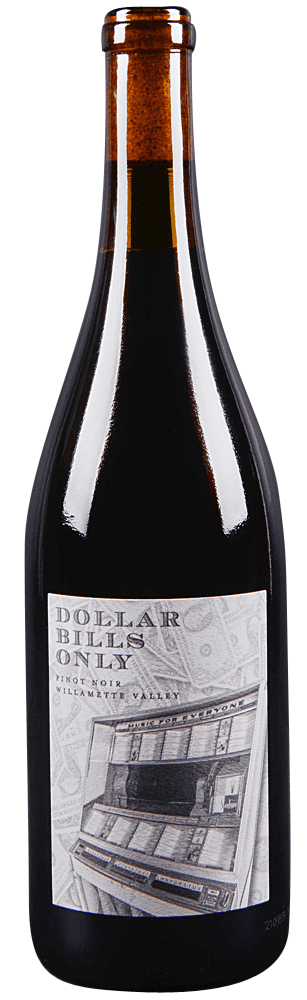



 Willakenzie’s Estate Chardonnay is a top-notch, New World-style Oregon white
 The Panther Creek Pinot Noir Winemaker’s Cuvee offers quality and value in time for Thanksgiving