

Tag Archives: Chateau Ste. Michelle

Winebits 756: Chateau Ste. Michelle, Villa Maria, AVAs

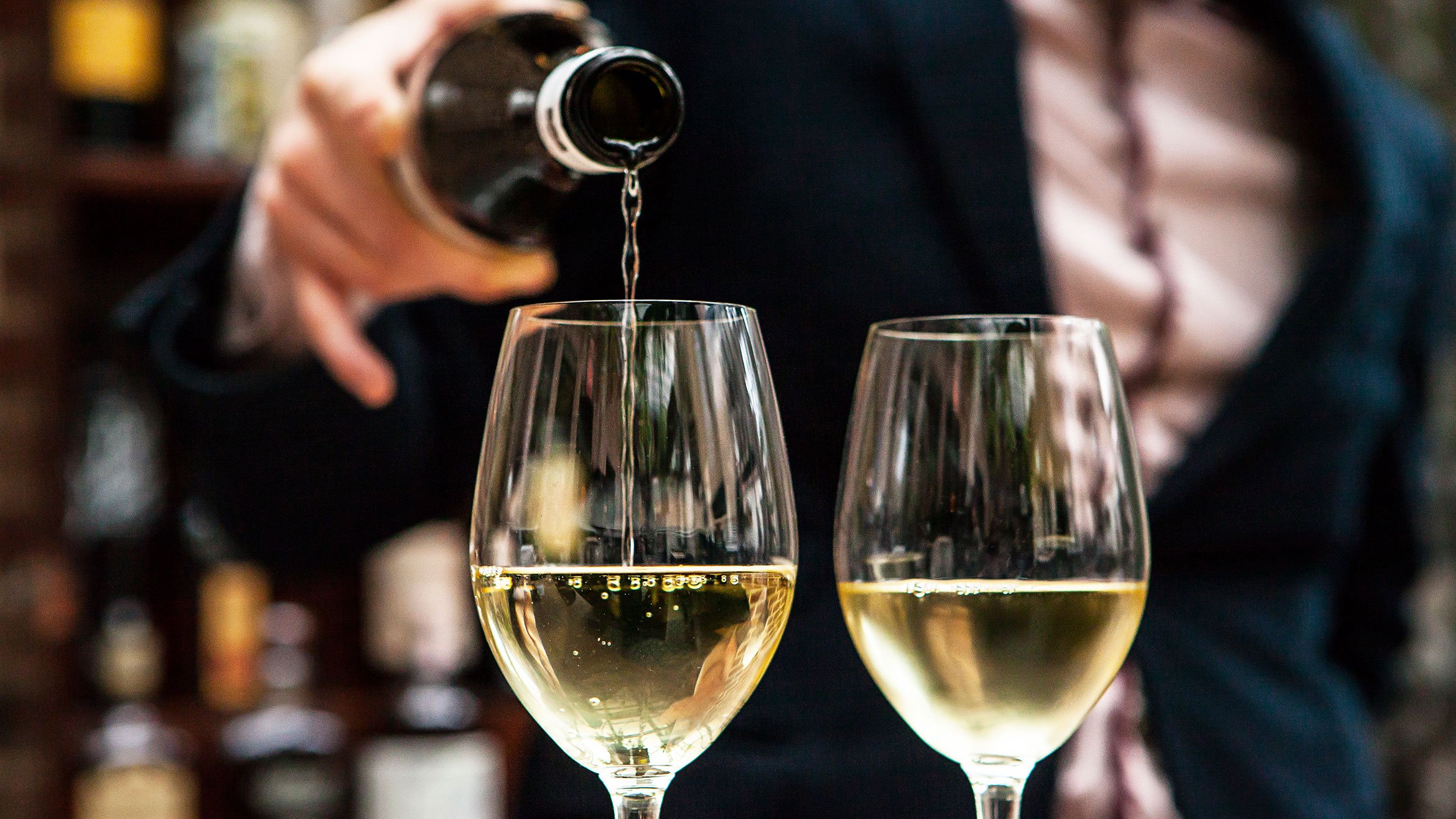
wine poured into two glassesThis week’s wine news: New owners will close Chateau Ste. Michelle’s flagship facility, plus more legal troubles for New Zealand’s Villa Maria and the federal government’s terrific AVA website

• Not good news: When a private equity company bought Washington state’s Chateau Ste Michelle last year, most in the wine business yawned. One employee even told me it would be good for the winery, one of the biggest in the U.S. So much for that. The equity group, Sycamore Partners, announced last week it was closing the company’s flagship winery in Woodinville. Wash., and would try to sell it. No word on how many jobs would be lost. Sean Sullivan of the Washington Wine Report broke the story; Blake Gray at Wine-Searcher has a spot-on analysis. Private equity firms buy companies to sell their assets so they can make money, and wineries are no exception. They do not buy wineries to dabble in the romance of wine, no matter what those in wine might think.

• Legal woes: Villa Maria, long one of New Zealand’s most respected wineries, has been shrouded in legal problems for a couple of years. It may have been in bankruptcy a year ago in May; it was certainly sold almost a year ago. But most news reports of the winery’s financial difficulties have been worse than vague. The latest news is also not good. The former owner is embroiled in a lawsuit with the new owners, which seems to revolve around how much money will be left after winery pays its debts but also seems to include charges of fraud.

• Where is that AVA? AVAs, or American Viticultural Areas, are legally designated areas where grapes are grown in the U.S. — 266 in all. So there are some in Napa and Sonoma, but also in Texas, New York, Ohio, and Missouri. Finally, there is a tool better than searching for a Wikipedia listing: An interactive map from the federal agency that regulates AVAs. It’s really quite impressive.

Winebits 706: Chateau Ste. Michelle sale, restaurant wine, Total Wine

money
Let’s see. … What other wine company should we buy?

This week’s wine news: Chateau Ste. Michelle is gobbled up by a private equity behemoth, plus restaurants re-jigger alcohol sales, and Total Wine revenue reaches $5 billion

• A new era: Private equity behemoth Sycamore Partners, whose holdings include Staple’s, Aeropostale, and Nine West, will buy Ste. Michelle Wine Estates for $1.2 billion. It’s almost impossible to overestimate the importance of this deal; when private equity discovers wine, the wine business has changed forever. Washington state’s Ste. Michell, the eighth-biggest producer in the country, makes more than 8 million cases a year. Its brands include 14 Hands; Chateau Ste. Michelle and its well-known supermarket riesling; and a variety of more expensive labels. This deal not only means dramatic changes at Ste. Michelle — look for the new owners to try to dump its supermarket brands and to cut costs with layoffs, canceling grape contracts, and other “rationalizations.” But it also means, given the way private equity works,  that almost every large U.S. wine producer, save for the top dozen or so, is now for sale — whether it wants to be or not. Does it also mean that wine wholesalers, other than the top half-dozen, are also potential equity acquisitions?

• Bring on outdoor dining: Nation’s Restaurant News reports that restaurants across the country are tinkering with their wine, beer, and spirits efforts in the wake of the pandemic. The goal is to figure out how to keep what worked during the past 18 months, dump what didn’t, and decide what comes next. In some states, that means an end to cocktails and wine to go; in others, that means adding retail sales in addition to traditional on-premise sales. One thing that isn’t changing: Contactless check-in, virtual menus, and mobile ordering. Interestingly, one chain executive said she will change expansion plans from the northeast to warmer states, where patio dining is possible most of the year.

• $5 billion for Total Wine: Total, the country’s only true national wine retailer, saw revenue jump to $5 billion from $3 billion just a couple a years ago. Chalk that up to expansion and increased business during the pandemic. The chain has 216 stores in 27 states, and expects to reach 230 by the end of the year. It’s particularly keen on Texas, where it has 36 stores, the most of any state. Its CEO told Shanken News Daily that the company is actively looking to open more stores in Texas.

Photo:Brock Wegner on Unsplash 


Mini-reviews 83: Muscadet, Masseria Surani, Toad Hollow, Chateau Ste. Michelle

muscadetReviews of wines that don’t need their own post, but are worth noting for one reason or another. Look for it on the final Friday of each month.

• Domaine de la Quilla Muscadet 2014 ($13, purchased, 12%): Muscadet is under-appreciated in this country, not only because the name is so different but because the style — clean, tart, and lemony without a trace of softness — isn’t popular. This is an excellent example of Muscadet (made with the equally unappreciated melon de bourgone grape in the Loire region of France), though it would be better a couple of bucks cheaper.

• Masseria Surani Ares 2012 ($10, purchased, 13%): Not much Italian style in this red blend from the Puglia region in the bootheel; it’s mostly fruit forward (cherry) in the international style. But as Cellar Tracker user Merky_Waters wrote: “This is a nice break from all the California blends on the market. No earth, definitely fruit forward but not too clumsy and not sweet.” Why someone in Puglia would emulate California is a question for another day.

• Toad Hollow Rose 2015 ($14, sample, 11.5%): Better than previous vintages and closer to what it was when this California rose was one of the great cheap wines of all time, but still missing something — and the price increase from last year doesn’t help. You can buy much better roses for $4 or $5 less. Looks for lots of strawberry fruit, but not much else.

• Chateau Ste. Michelle Pinot Gris 2014 ($11, purchased, 13%): One more in what is getting to be a long line of bitter, not all that pleasant sub-$15 pinot gris from quality producers. I have no idea why this is, but there is no excuse for making wine that tastes this way. The Chateau Ste. Michelle from Washington state has some apple fruit, but that’s not enough to save this white wine.

Chateau Ste. Michelle, wine marketing, and wine blogging

Chateau Ste. Michelle, the Washington state producer best known for its grocery store rieslings, is doing a summer riesling promotion called Reason for Riesling. It ?s running in six markets, most of which are in the middle of the country and not considered prime wine territory.

There ?s nothing really unusual about this, save for one for one thing. Getting wine bloggers to write about riesling is a key part of the campaign, and that ?s not something one would expect from a big producer like Chateau Ste. Michelle, whose parent is a multi-national that owns 15 brands, has partnerships with 13 others, and sells hundreds of millions of dollars of wine each year.

In other words, wine blogging not just for the little guys any more.

One of the on-going controversies in the wine business is whether those of us in the non-traditional media matter. Do we have the clout and the power and the influence with readers that the Winestream Media is supposed to have? The Winestream Media, of course, says we don ?t, and too many producers see us as scammers who just want free wine samples.

That Chateau Ste. Michelle is focusing on wine bloggers (as well as those who do lifestyle and travel) means that attitude is changing.

?Targeting bloggers offers a new audience of gatekeepers for us, ? says Lynda Eller, the communications director for Ste. Michelle Wine Estates, the parent company. ?Some consumers still value traditional media wine reviews, and other consumers look to the blogger community for their product reviews and recommended experiences. For us, it is exciting to have a new media audience to communicate with to help engage consumers. ?

This is a revolutionary approach to wine marketing. It acknowledges fundamental changes in the way consumers approach wine, as well as the changes that have made the Winestream Media less relevant. There are fewer of them, thanks to the depression in the traditional media business. Second, as Paul Mabray notes in the previous link, they ?ve run out of things to write about. Third, and this is something worth a post all by itself, the Winestream Media ?s audience is dying off, and it ?s not being replaced by younger readers. What happens to wine writing when no one reads what ?s being written?

I also think it ?s important to note that Chateau Ste. Michelle wants bloggers to do wines that don ?t always get a lot of attention in the traditional media. Eller disagrees with me about this, and emphasized that her company ?s wines get plenty of ink from the Winestream Media. But I wonder: When is the last time you saw a review about about an $8 riesling in the Wine Spectator? When is the last time a Spectator reader wanted to see that kind of review in the magazine?

Finally, and perhaps most importantly, this is a long-term approach to wine marketing. It says, ?Let ?s get people interested in our wines, and trust them to come back to them because they ?re well made and interesting. ? That ?s one of the advantages of blogging, after all. One good review on the Internet will be around forever, and it almost doesn ?t matter if anyone actually reads the review when it ?s written.

In this, it ?s not the usual ?let ?s sell as much wine this weekend as we can ? philosophy that dominates the business. Wine marketing is incredibly short-term; so short term, in fact, that many of the people who do it think wine writing (save for the Spectator) is a waste of time. The criteria for quality is whether a wine writer can move wine, and the consensus is that most of us can ?t.

Or, as one very, very wise sales guy told me years ago: ?Jeff, if they spend 15 minutes talking on the phone with you, that ?s 15 minutes they can ?t spend calling on accounts. And, as silly as it sounds, they think they ?ll sell more wine and make more money by calling on one account than they will by talking to you. ?

Fortunately, Chateau Ste. Michelle is smarter than that.