Tag Archives: chardonnay

cheap wine

The fifth, almost annual, $3 wine challenge

$3 wine challenge
Who knows? Maybe one of these $3 wines will be a best buy.

The almost annual $3 wine challenge: The Wine Curmudgeon will drink $3 chardonnay with dinner every night this week, because that’s what Google says the Internet wants

The Wine Curmudgeon hates writing this post, but not because the wine is usually so terrible. It’s because, no matter how terrible the wine is, people still buy it and “enjoy” it because it costs $3. How many times do I have to write that cheap wine isn’t good just because it’s cheap?

Nevertheless, since this remains one of the most popular features on the blog and I regularly get emails asking me to do it again, here we go for the fifth time: Can a wine drinker live on really cheap wine? Or are the ultra-cheap wines just cheap, without any other reason for being? The details about the first four $3 challenges are here, here, here, and here.

This year, I will taste five chardonnays (all purchased in Dallas). In addition, the results will run in the weekly Dallas Observer; food editor Taylor Adams asked me to write a fun and creative wine story. I’ll post the link to that story here on March 6,  and include the highlights from the tastings. So, once more unto the breach, dear friends:

• Two-buck Chuck chardonnay ($2.99, 12.5%). The Trader Joe’s private label was the first — and remains — the most famous of the very cheap wines. It’s a California appellation from the 2019 vintage, and made for Trader Joe’s by Bronco Wine.

• Three Wishes chardonnay ($2.99, 12.5%), the Whole Foods private label. It carries an American appellation, which means it’s non-vintage and at least three-quarters of the grapes used to make it were grown anywhere in the U.S. (though most probably came from the Central Valley in California). It’s made by multi-national The Wine Group, which is best known for Cupcake and the big Franzia boxes.

• Winking Owl chardonnay ($2.95, 12%) from Aldi (but may be available elsewhere). It’s a California appellation but non-vintage, so 75 percent of the grapes came from California but from different harvests. It’s made by E&J Gallo, the largest wine producer in the world. The price is price is seven more than the last time I did this.

• Oak Leaf chardonnay ($2.50, 12.5%), the Walmart private label. Also made by The Wine Group, American, and non-vintage. The price almost 50 cents less than the last time I did this.

• Bay Bridge chardonnay ($2.99, 12.5%), the Kroger private label; sold at Kroger, Fred Meyer, and Kroger-owned banners. It’s American and non-vintage, and the third of these wines made by The Wine Group.

Photo: “$2.99” by *lapin is licensed under CC BY-NC 2.0 

Thanksgiving wine 2019

thanksgiving wine 2019Four Thanksgiving wine 2019 suggestions

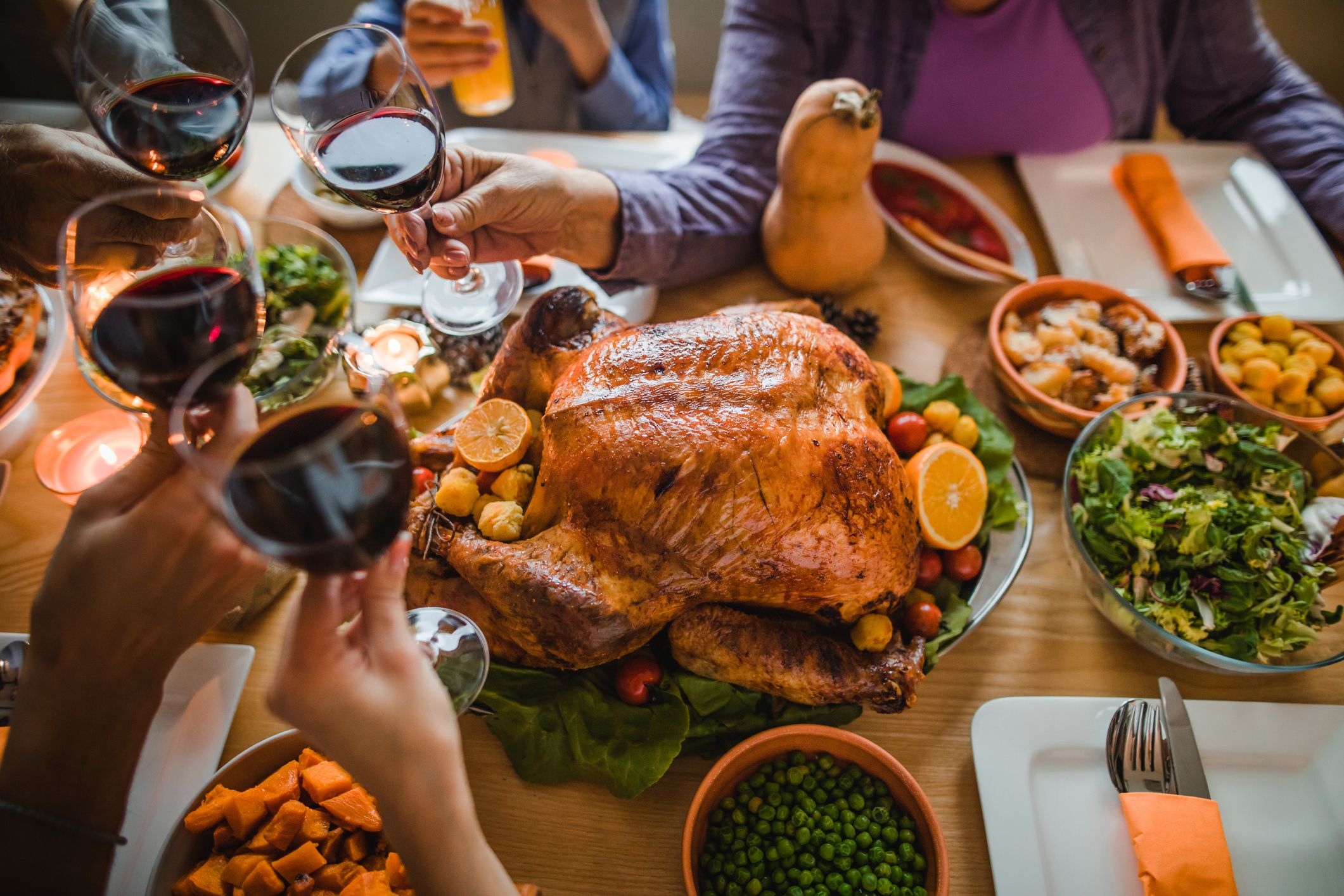
Thanksgiving is the Wine Curmudgeon’s favorite holiday. When else do we get to get to share lots of wine and good food for no other reason than wine and good food? Plus, there is cooking, and it doesn’t get much better than the way a roasting turkey in the oven makes the house feel. The blog’s guidelines for holiday wine buying are here.

These Thanksgiving wine 2019 suggestions should get you started:

• Maison Albert Bichot Chablis 2016 ($20, purchased, 12.5%): This French white wine, made with chardonnay, gets surprisingly low marks on CellarTracker, the blog’s unofficial wine inventory software. Which is just one example of how useless scores are. This is delicious white Burgundy at a price I can’t imagine, crisp and lemony and minerally. Highly recommended. Imported by European Wine Imports

• Georges Vigouroux Pigmentum Rose 2018 ($10, purchased, 12%): This French pink from the always dependable Georges Vigouroux uses malbec to its best advantage, with not too much dark fruit and a clean and fresh wine. It’s a nice change from everyone making Provencal-style roses. Imported by AP Wine Imports

• Azienda Vitivinicola Tonnino Nero d’Avola 2017 ($14, purchased, 13%): Interesting Sicilian red that more resembles Oregon pinot noir than it does Sicilian nero. It’s more brambly, like berries, than the usual plummy fruit. It’s less earthy, and the acidity is more noticeable. Imported Bacco Wine & Spirits/em>

• Scharffenberger Brut Excellence NV ($20, sample, 12%): California sparkling that tastes like it’s supposed to at a fair value — creamy, yeasty, apple fruit, not too tart, and soft but persistent bubbles. In this, it’s a tremendous value.

More about Thanksgiving wine:
• Thanksgiving wine 2018
• Thanksgiving wine 2017
• Thanksgiving wine 2016
• Wine of the week: Falesco Est! Est!! Est!!! 2017
• Expensive wine 123: Long Meadow Ranch Pinot Noir Anderson Valley 2016

Mini-reviews 126: White Burgundy, albarino, Estancia, petit verdot

white burgundyReviews of wines that don’t need their own post, but are worth noting for one reason or another. Look for it on the fourth Friday of each month.

• Jean-Jacques Vincent Bourgogne Blanc 2017 ($20, purchased, 13%): This is the second time I bought this chardonnay from the Burgundy region of France, which shows that even those of us who do this for a living make mistakes. Bland, boring, and overpriced. Imported by Frederick Wildman & Sons

• Raimat Saira Albarino 2016 ($10, purchased, 12.5%): This Spanish white is cheaply made, watery, and doesn’t much taste like albarino. It apparently exists for no other reason than to cost $10. Imported by Aveniu Brands

• Estancia Sauvignon Blanc 2016 ($8, purchased, 13.5%): Estancia was once a dependable cheap wine producer. Now, it’s just another Big Wine brand. This California white is green and unripe and tastes very little like sauvignon blanc.

• Cameron Hughes ‘Lot 638’ Petit Verdot 2016 ($15, sample, 14.4%): VinePair’s reviewer loved this Washington state red wine, raving about its “concentrated dark-berry fruit, especially blackberry and black currant.” That’s the exact reason I didn’t care for it – too ripe and too overdone, especially given the grapes involved.

Photo: “Lancers” by Rochelle Ramos is licensed under CC BY-NC-SA 2.0 

Wine review: Antoine Delaune Chardonnay 2018

Antoine Delaune chardonnayThe French Antoine Delaune chardonnay is a $6 Aldi white that hints at what the discount grocer can accomplish with its wine
Aldi, the discount grocer, has never seemed to be able to deliver cheap wine quality in its U.S. stores the way it does in Europe. There have been exceptions, but for the most part the wines have been Winking Owl and its ilk. So where does the French Antoine Delaune chardonnay fit into this?

Hopefully, it’s the beginning of Aldi’s commitment to better quality cheap wine — a good thing, since the chain will open a store near my mom in the spring, and we know the trouble she has buying quality cheap wine. The Antoine Delaune chardonnay ($6, purchased, 13%) is a sign that Aldi is focusing more on selling competent and professional wine that you can buy, drink, and not worry about.

This is not to say it’s white Burgundy, the epitome of French chardonnay. But it does taste like chardonnay (some green apple); mostly tastes like it came from France (none of that California slickness); and is clean and fresh without a hint of residual sugar. It’s not even especially thin, which is usually what happens at this price.

And it’s not quite a wine of the week. It’s not stupid, but it is a little too  simple and straightforward and the lesser quality of the grapes does show. Plus, you’ll need to open the screwcap 10 or 15 minutes before you drink it, since the wine needs to breathe.

Mostly, the Antoine Delaune chardonnay is worth $6. That’s an accomplishment these days; I recently tasted a $20 chardonnay that was too precious for words, tasting more like non-alcoholic wine than anything.

Imported by Prestige Beverage Group

Wine of the week: Scaia Garganega Chardonnay 2018

Scaia Garganega ChardonnayThe Scaia garganega chardonnay is an Italian white blend that pairs the unlikeliest of grapes to produce a terrific wine

Buy this wine.

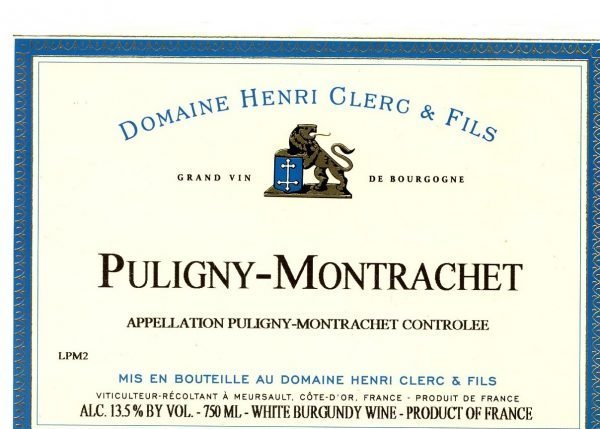
There’s no better way to describe how terrific the current vintage is of the Scaia Garganega Chardonnay ($12, sample, 12.5%). This Italian white blend is made with two of the unlikeliest grapes possible – garganega, a grape usually used to make tanker trucks of barely drinkable Soave, and chardonnay, hardly the most Italian of grapes.

But it works. It worked for the 2017 wine. It worked for the 2016 wine. It worked for the 2015 wine.

And it works in this, the 2018. Somehow, the Scaia garganega chardonnay tastes better than the sum of its parts. Look for a bit of citrus (lime?), but not as tart as previous years, and some pineapple from the chardonnay that softens the garganega. The wine smells fresh and flowery, and the finish is clean and crisp and a bit stony. Somehow, there aren’t the off notes typical of poorly-made Italian chardonnay. Even more surprising, there is none of the cheap, almost tinny quality too often found in poorly-made Soave.

Highly recommended, and certain to return to the $10 Hall of Fame in 2020. It’s also a leading contender for the 2020 Cheap Wine of the Year.

Chill this, and drink it on its own or with anything that isn’t red meat. It’s also worth noting that the 2018 is difficult to find; my local retailer still has cases of the 2017. (A tip o’ the Curmudgeon’s fedora to Katherine Jarvis at Jarvis Communications, who found a sample for me). But not to worry if you can’t find the 2018. The 2017 is still delicious, and the Scaia garganega chardonnay ages better than a $10 wine should, getting softer and more interesting.

Imported by Dalla Terra

Barefoot wine review 2019

Barefoot wine review 2019: Cabernet sauvignon and chardonnay

Barefoot wine review 2019Barefoot wine review 2019: The cabernet sauvignon and chardonnay have a dollop or three of residual sugar, but otherwise taste like they should

This is the 12th Barefoot wine review I’ve written, and one thing is as aggravating today, for Barefoot wine review 2019, as it was 12 years ago: No screwcap. Why E&J Gallo, Barefoot’s owner, still uses a cork closure on most of its labels is beyond me. The only time these wines are “aged” is after they’re opened, when they sit in the refrigerator for another day. A screwcap would make that kind of aging so much easier.

The Barefoot wine review 2019 features the non-vintage cabernet sauvignon ($5, purchased, 12.5%) and the non-vintage chardonnay ($5, purchased, 13%). Both, save for a dollop or three of residual sugar, are among the best Barefoot efforts in years. Yes, that’s damning with faint praise, given the quality of the wines in many of the previous reviews. And their sweetness left that dried out feeling in my mouth for 20 or 30 minutes after tasting. But that Barefoot varietal wines taste like their varietal is worth noting.  Put a couple of ice cubes in the glass, and the wines are certainly drinkable, if too simple and not very subtle.

The cabernet tastes of dark berry fruit (boysenberry?), and there are soft tannins, a certain acidity, and restrained fake oak. No chocolate cherry foolishness here, though the sweetness gets more noticeable with each sip and may annoy wine drinkers who expect cabernet to be dry.

The chardonnay, ironically, is less sweet than the cabernet. Take away the sugar, and it’s a pleasant California-style chardonnay — almost crisp green apple fruit, that chardonnay style of mouth feel, and just enough fake oak to round out the wine. There’s even a sort of finish, which was about the last thing I expected. Once again, though, the sweetness gets in the way —  would that Barefoot had the courage of its convictions to make a dry wine dry.

More about Barefoot wine:
• Barefoot wine review 2018
• Barefoot wine review 2017
• Barefoot wine review 2016

Expensive wine 121: Henri Clerc Puligny-Montrachet 2013

Henri Clerc Puligny-Montrachet The Henri Clerc Puligny-Montrachet is young white Burgundy in all its glory

Wine is known for making food taste better, but it can also improve the ambiance of a meal. This has little do with the alcohol; rather, it’s about the quality of the wine and how its enjoyment makes everything else seem better. Which is exactly what the Henri Clerc Puligny-Montrachet did recently.

The Big Guy wanted to have wine with lunch, which meant we had to eat at the blog’s unofficial BYOB restaurant. The catch, as we discussed on the drive there, was that the food had been ordinary lately and the service worse. It’s not asking too much to be greeted politely at a restaurant, is it? And especially when you eat there as often as we do?

Not to worry, The Big Guy told me. I have some Puligny, and all will be well. And he was exactly correct – the Henri Clerc Puligny-Montrachet ($50, purchased, 13.5%) smoothed out all the rough edges, and I remember the wine much more than I remember the rest of the lunch.

The Clerc is the kind of wine that reminds us why French wine is French wine, if only because the estate dates to the 16th century. The wine itself — chardonnay from the Puligny-Montrachet region of Burgundy is young. The term is “nerovisite” – sort of like a teenager who can’t sit still. As such, it should open and become more elegant and richer as it ages over the next decade. Now, though, it’s delightful – lots of fruity acidity (crisp pear, pleasantly tart pineapple?); full through the middle; and lots and lots of the wonderful Puligny minerality on the finish.

Highly recommended, and just the gift for Father’s Day if Dad wants something other than a big, red, and fruit bomb-y wine.

Imported by Vos Selections