Tag Archives: $10 wine

Wine of the week: Rene Barbier Red NV

Rene Barbier RedThe Wine Curmudgeon has tasted some 15,000 wines since starting the blog seven years ago, and perhaps the biggest surprise was tasting the Rene Barber red 18 months ago. Somehow, a soft, fruity Spanish blend that was made for ice cubes and people who didn’t like red wine had turned into a $10 Hall of Fame effort.

The good news — the amazing news — is that 18 months later, the Barbier ($6, purchased, 13.5%) is still a terrific value, even at a higher price. The difference between this style and the previous, I’ve been told, is more merlot. How Spanish merlot can make that much difference is beyond me, but who am I to question the results?

Look for red fruit; a beginning, middle, and end; and even some tannins. It doesn’t taste New World, with a little darkness, but don’t expect something very Spanish like Aldi’s Vina Decana. And people who don’t like red wine may well still enjoy it. In this, the Barbier shows how Big Wine can uses its resources to make something that doesn’t insult our intelligence, either in quality or price.

One caveat: NV means non-vintage, so there’s no guarantee the next bottling will taste like this one. These kinds of wine are made to hit a certain price, and if better grapes are too expensive, the producer almost always switches to less expensive grapes, and the wine suffers in quality.

Wine of the week: Pacific Rim Dry Riesling 2012

Wine of the week: Pacific Rim Dry Riesling 2012Long before the sweet wine craze and even before grocery-store rieslings like Chateau Ste. Michelle, there was Pacific Rim. It was part of the Randall Grahm empire, and offered affordable, mostly well-made riesling for those of us who were feeling adventurous. Because, of course, no was supposed to drink riesling in those long ago days.

Much has changed since then. Graham sold Pacific Rim to the Banfi family, and riesling and sweet wine have become au courant — so much so that the wine companies that looked askance at the varietal five years ago are making as much riesling as they can, sweetness be damned.

Through all of this, Washington state’s Pacific Rim ($10, purchased, 13.5%) has been a touchstone for what’s going on with riesling that most of us can find and afford to buy. Sometimes, to be honest, it isn’t all that interesting, more sweet than it should be, and without much more than sweetness going for it. In other words, professionally made, but not all that different from Chateau Ste. Michelle. Sometimes, like this vintage and the 2011, it showed what can be done with riesling in the Pacific Northwest — zingy lime fruit, tell-tale riesling oiliness, a finish that has some minerality, and the correct amount of sweetness for a dry riesling.

The wine made the $10 Hall of Fame this year, a trend that I hope continues for the forseeable future. When it’s right, the Pacific Rim is a wonderful introduction to riesling, a grape that not enough of us know about but should. Because, when it’s sweltering in July and August, a riesling, dry or off-dry, is an alternative worth drinking.

Wine of the week: Segura Viudas Brut Reserva NV

segura viudasThe Segura Viudas cava proves cheap wine’s greatness, a sparkling wine from Spain that offers much more value than it costs, and that does so year after year after year. Best yet, it does so without much Winestream Media attention, a minimum of high scores, and the kind of fawning that more expensive wine and Champagne gets from wine snobs.

I’ve been buying the Segura Viudas ($9, purchased, 12%) for years, almost from the time I started the blog. Yes, the company that makes it paid for a press trip to I took to Spain, but when has that ever stopped me from writing what I thought? This is terrific wine, ideal for sipping, toasting, and meals — bone dry, with tart green apple flavor balanced by a little tropical fruit, the yeastiness that you expect from more expensive champagne-style wines, and tight, delightful bubbles. I really love the bubbles.

This week, when it comes time to celebrate The Holiday that Must Not be Named, don’t worry about impressing your significant other with some high-end, overpriced sparkler that has the kind of description — “dough aromas” — that makes you shake your head and sigh. Pour this, don’t mention how much it costs, and accept the compliments gracefully.

Mini-reviews 56: Uncensored, Martin Codax, Jordan, Fess Parker

Mini-reviews 56: Uncensored, Martin Codax, Jordan, Fess ParkerReviews of wines that don ?t need their own post, but are worth noting for one reason or another. Look for it on the final Friday of each month.

? Geyser Peak Uncensored White 2012 ($10, sample, 13%): Disappointing California sweet white blend, featuring some unripe fruit, some ripe fruit, and a mix of banana and lemon pith flavors. Why so many producers insist on selling such poorly made wine is beyond me, other than that they figure anyone who likes sweet wine won’t know the difference.

? Mart n C dax Albari o 2012 ($15, sample, 12.5%): A professionally made, as always, Spanish white with lemon fruit, though softer and without the almost salty sea air tang of other albarinos. Price, as always, is $3 more than it should be.

? Jordan Chardonnay 2011 ($30, sample, 13.5%): The archetype for California Russian River Valley chardonnay, with green apple fruit, oak more or less in balance, and a rich mouth feel. Needs food, and especially classic chardonnay dishes made with cream sauces.

? Fess Parker Riesling 2012 ($15, sample, 12.5%): A very pleasant surprise — California off-dry riesling that was more than just sweet. Look for apricot and melon, and even a little honey. Very well done, and highly recommended.

Image courtesy of Talk-A-Vino, using a Creative Commons license

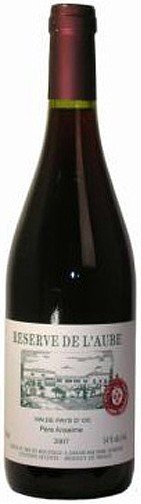
Wine of the week: P re Anselme Reserve De L’Aube 2011

pere anselmFlash back to the 1980s, to a time before California grocery store merlot, before livestock wines with cute labels, and even before U.S. wine was much appreciated in the U.S. What did we drink? Something more or less like the Pere Anselme ($8, purchased, 12.5%).

Those wines were notable for three things: They were French, because we were supposed to drink French wine in those days. They were cheap, because that’s all we could afford to drink (not yet having learned that cheap wine is worthy of a lifetime of drinking). And they were, to be kind, uneven in quality. Sometimes they were rough and tannic, other times green and unripe, and sometimes both. But what did we know? We were drinking French wine. In an era when women’s dresses had shoulder pads, that was pretty damned sophisticated.

The good news about the Anselm, a red blend with syrah and merlot from the Langeudoc in southern France and made by a leading producer of Rhone wines, is that it doesn’t have the technical flaws those older wines did. It’s ripe, it’s more or less in balance, and it even speaks to the terroir — some earthiness, simple black fruit, a hearty finish, and what the wine geeks like to call the smell of violets.

Serve this with any red meat; it does need food, another hallmark of those 1980s-style wines. The Anselm is not Hall of Fame quality, but it is the kind of wine you buy and drink and feel happy about. That’s not a bad recommendation for any wine, is it?

Wine prices in 2014

Wine prices in 2014You don’t need to be an expert — or to consult an expert — to figure out what wine prices will do in 2014. Just spend a couple of extra minutes at the grocery or liquor store the next time you’re there. If you see a fair number of previous vintage wines, and you almost certainly will, then you’ll know that wine prices in 2014 aren’t going anywhere.

More, after the jump:

Continue reading →

Wine of the week: Pratsch Gruner Veltliner 2012

Wine of the week: Pratsch Gruner Veltliner 2012Periodically, the Winestream Media will embrace gruner veltiner, an Austrian grape, as the next big thing. The Wine Curmudgeon always thought this was silly for two reasons: First, it has not been easy to find quality gruner (as it’s called); most of what I’ve tasted is a riesling knockoff and not as well done. Second, because there isn’t very much gruner, and you can’t have the next big thing unless there are tanker loads of it to sell. Otherwise, it’s just an odd grape.

This frustrates many gruner advocates, including my pal Doug Caskey, who can only shake his head at what he sees at my intransigence. Gruner, as Doug has noted more than once, can make great wine, and can even make great cheap wine.

So this one’s for you, Doug: The Pratsch ($10, purchased, 12.5%) is not only one of the best gruners I’ve tasted in a long time, but the first candidate for the 2015 $10 Hall of Fame. For one thing, it tastes like gruner — some apple and citrus fruit but not too much, a spiciness (white pepper?) and not a trace of sweetness, either in the fruit or the wine itself. This is a crisp wine (but not as zingy as a sauvignon blanc) that will pair with almost any kind of food — I drank it with pork jambalaya, and it worked well with the dish’s spiciness.

It probably won’t make the Hall — I am the Wine Curmudgeon, after all — but it will be nice to be able to say I considered it.