


Category:Spanish wine

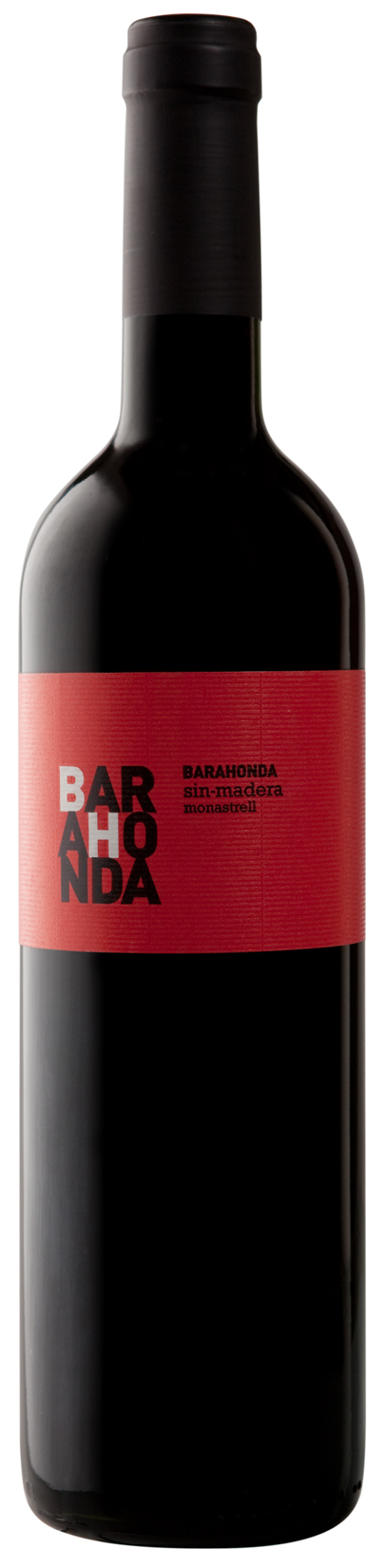
Wine of the week: Barahonda Monastrell Sin-Madera 2010

The joy of wine ? the absolute, most wonderful thing ? is tasting something you ?ve never had before and knowing that it ?s something you want to drink again and again.

Such was the case with the Barahonda ($9, purchased, 14%), a red wine from Spain made with monastrell and from another region that only Patrick Mata at Ole Imports seems to have heard of.

How impressive was this wine? It ?s a previous vintage, and whenever an $10 wine still tastes like this, imagine how wonderful it will be when it ?s the current vintage. Look for a funky Spanish aroma — the wine geeks call it barnyard, but that doesn ?t do it justice. It ?s an earthy, intriguing smell that always makes me think of Spain. There is also some dark fruit, lots of spiciness and not a bit of oak.

It ?s a food wine, as many Spanish wines are, and really needs something like grilled meat to show it at its best. Highly recommended, and a candidate for the 2014 $10 Hall of Fame.

Wine of the week: Faustino 2010

Rioja ? red wine made with the tempranillo grape from the Rioja region of Spain ? has long been one of the world ?s great wine values. The simplest Riojas, called crianza, are everyday wines that usually deliver tremendous quality for $10. That more of us don ?t know about them is one of the many things that make the Wine Curmudgeon so cranky.

Bodegas Faustino, which has been making wine in Spain for 150 years, has long been known for its wines with Roman numerals ? Faustino I, Faustino V, and Faustino VII. This Faustino ($10, purchased, 13%) is part of its ?modern reds ? line ? a term that usually makes me run screaming into the night, hinting as it does of merlot blended into the mix, winemaking alchemy to produce sweet fruit, and lots of fake oak.

Happily, this ?modern red ? is terrific basic Rioja, with everything as it should be. Look for cherry fruit, bright acidity, earthiness and that wonderfully funky Rioja aroma. The only thing that seemed modern about it was better winemaking ? no off flavors or smells, which can sometimes happen with old-style Rioja.

You can serve this with almost anything except a white cream sauce, which is one of the great strengths of Rioja. It ?s especially fine with bean dishes.

Wine of the week: Alaya 2009

imageThere ?s a certain style of Spanish wine that is decidedly un-Spanish but has become a particular favorite of the Winestream media. These wines are red, often made with garnacha, and are fruitier and higher in alcohol than most Spanish wines.

Having said that, some of them are actually worth drinking. We ?ve covered Evodia on the blog (and I ?ll be reviewing the new vintage later this year), and the Laya ($9, purchased, 14.5% alcohol) fits into that category as well.

It ?s not quite a $10 Hall of Fame wine ? the oak that ?s there gives it an almost Adams Extract vanilla flavor. But everything else is present for great cheap wine, including lots and lots of black fruit that is neither sweet nor extracted ? just intense. Yes, the alcohol is high, but the wine handles it well and you won ?t flinch when you taste it.

It ?s probably a bit much to drink on its own, but it would pair with most winter dinners, including beef stew and maybe even macaroni and cheese.

Wine of the week: Cristalino Brut NV

Wine of the week: Cristalino Brut NVSometimes, one forgets old friends. Not intentionally, of course, but because of the press of business and the rush of life. There are new wines to try and more posts to write, and one sometimes takes things like the Cristalino for granted.

For which I ?m sorry. It has been two years since I reviewed Cristalino, the Spanish sparking wine known as cava, and that post was more a back-handed slap at the lawsuit that made it change its name because a federal judge ruled that consumers might confuse it with the $150 Cristal, which was French and Champagne. (Its new legal name is Jaume Serra Cristalino, which I refuse to use.)

This was one of the first wines I ever reviewed professionally, back in my newspaper days, and it has never ? and I mean never ? let me down. The first bottle I opened for this review was flat (no doubt sitting on a shelf in a hot warehouse too long), but was still quite drinkable.

Cristalino ($7, purchased) is everything a cheap wine should be and too often isn ?t ? varietally correct and well made, with distinct flavors and character. Look for terrific bubbles, a little bit of green apple fruit, and even a sort of mineral finish. Yes, it ?s simple, but it ?s also not too much of one thing or not enough of another, an incredible achievement for a $7 wine.

It will take its rightful place in the 2013 $10 Hall of Fame in January, and I will drink more of it this holiday season and recommend it for Thanksgiving. Because it ?s always good to say hello to an old pal.

Wine of the week: Ludovicus Blanco 2011

wn_204120118063741Last week ?s discussion about the book ?Grape-a-hol ? made me wonder: Do I do enough to find $10 wine that doesn ?t taste like grape juice with alcohol? Are the wines I review worthy of being reviewed?

Then I found the Ludovicus ($10, sample) in my database, and felt a whole lot better about what I do and how I do it. This Spanish white is the kind of wine that the big multi-national wine companies claim they make, but know, deep down, that they don ?t even try to do. It has a little bit of citrus fruit, but this wine isn ?t about fruit. Rather, it ?s made with the Spanish version of grenache blanc, so it has spiciness, minerality, and even a bit of honey ? a combination that I don ?t taste in a lot of other wines. It ?s surprisingly complex and yet still drinkable at the spur of the moment, something else that hardly ever happens.

I wrote in my notes ?No idea how this wine can be this good at this price. ? It ?s almost certain to make the 2013 $10 Hall of Fame, and is highly recommended ? another reason why Ole is Spain ?s best wine importer.

Mini-reviews 40: Red Newt, Rene Barbier, Quincy, Steelhead

Reviews of wines that don ?t need their own post, but are worth noting for one reason or another. Look for it on the final Friday of each month:

? Red Newt Cellars Semi-Dry Riesling 2011 ($15, sample): This New York white, which I tasted as part of a Finger Lakes Twitter event, didn ?t have as much varietal character as I expected. More sweet than anything else, without enough fruit or minerality to balance the sweetness.

? Ren Barbier Mediterranean Rose NV ($5, purchased): The best of the three Rene Barbier wines (and the most difficult to find), made more like a New World rose with strawberry fruit. Highly recommended.

? Domaine du Ad le Rouz Quincy 2010 ($20, purchased): French white from the Loire is imported by the always reliable Charles Neal. Lots and lots of lemon; the wine may require a little more time in bottle to even out. Needs food, and probably seafood (boiled or grilled shrimp, steamed mussels).

? Steelhead Red 2010 ($15, sample): California blend is heavy on the cabernet sauvignon, so it needs beefy food. But it has lots of character and oomph, as well as blackberry fruit and dusty tannins.

Wine of the week: Sangre de Toro Vina Sol 2010

Want a good example of what the experts mean by the internationalization of wine? Then taste the Vina Sol from Miguel Torres, one of Spain ?s largest producers. It ?s markedly different from the old days, and made in a softer, more accessible style.

If so, then what ?s it doing as a wine of the week? Because the Vina Sol ($9, purchased) is better made than it used to be. The acidity is in balance, for one thing. Yes, it does seem to have a little too much fruit in the middle (almost tropical), but it does have that Spanish white wine lemony thing going on and doesn ?t taste like it came from Paso Robles, which seems to be one of the goals of internationalization. It ?s made with parellada, a grape used in cava, and that ?s almost enough to make the wine interesting by itself.

It ?s not a $10 Hall of Fame wine, but not every wine of the week is. In fact, if you ?re stuck in a grocery store and need a bottle of wine, this is perfectly fine. Serve it chilled and drink it on its own or with almost any Tuesday night dinner.

And, because it ?s from Torres, there’s a bull on the bottle ? white, of course, since it ?s a white wine.