





Winebits 351: Wine glasses, wine laws, and economic growth
 by Wine Curmudgeon Posted On
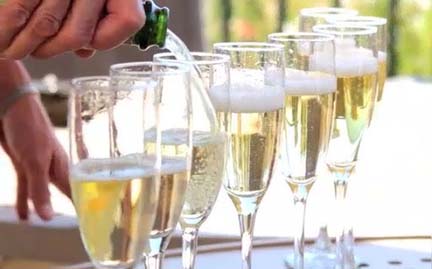
 ? Do wine glasses matter? The answer is no, says the Vinepair website in a post that includes the sentence, “Any industry that marries the existence of experts, the spending of cash, and the words ‘acquired taste’ as exquisitely as the wine industry does is bound to intimidate the uninitiated.” Which was a guarantee the Wine Curmudgeon would write about it. The post dismisses the idea that different shapes matter — a Bordeaux glass, a Burgundy glass, and so forth — and cites several studies and zings Riedel, the big glass company, repeatedly. Most of which makes sense, since I’ve never been convinced spending $100 for a glass is going to make all that much difference. The difference comes, I think, in whether you use well-made glasses instead of poorly-made ones. I buy the Forte from Schott Zwiesel, about $10 a glass, and am content. That’s about the twice the price of Libbey glasses, but the expense seems worth it.
? Hell no, we ain’t reformin’: Pennsylvania’s state-controlled liquor store system has been the subject of much controversy as well as repeated demands for privatization. Reform seems as far away as ever, despite all the effort, and I’ve discovered the reason: Money. The Pennsylvania Liquor Control Board, which runs the stores, is a $2.24 billion business. Which is damned big — almost twice the annual sales of Crate & Barrel and only one-sixth the total of Whole Foods, even though the upscale grocer is a national company with more than 360 stores. How many state legislators, regardless of political persuasion, are going to throw away that much money? I’m not even sure I would.
? Not just rich people drink wine: There’s a long and surprisingly boring post on Forbes discussing whether wine sales can predict economic growth. If someone can figure out what it actually says, let me know. As near as I can tell, it says that high-end wine sales are a predictor of U.S. economic health, which is not true and seems a silly thing for someone at Forbes to say. Because only five percent of the U.S. population buys wine that costs $20 or more, and the average price of a bottle of wine is about $10. So what the price of vineyard land in Napa Valley has to do with economic growth is beyond me. Which is probably why I do this and don’t write for Forbes.
Can confirm the Forte wine glasses. Durable as all get out, used by many restaurants, nicely made without the crazy cost. In a blind test, you would not know the difference between these and those high dollar versions.