







 Is it possible that sweet red wine sales totaled one-third of all the chardonnay sold in the U.S. over the past year? And did slightly better against cabernet sauvignon? Or that sweet red wine outsold syrah, zinfandel, and malbec over that time period, and almost overtook merlot?
Hard to believe, but apparently true. A leading wine industry analyst, working with proprietary data, has estimated sweet red wine sales in the 52 weeks ending April 25 were about $534 million. That means, besides outselling syrah, zinfandel, and malbec, sweet red also did better than moscato — the current next big thing — and missed sauvignon blanc by just a couple of percentage points.
The analyst — call him Smart Wine Guy — asked not to be identified because his figures are based on that proprietary data, and legal problems could ensue if I used his name. But he has worked in the wine business for most of his life, including stints in retail and for Big Wine.
Smart Wine Guy used sales figures for red blends that cost between $7.50 and $15.49 a bottle and are sold in grocery and liquor stores. That includes most of the wine we think of as sweet red — those blends, like Apothic and Menage a Trois Red, that have more residual sugar than traditional dry red wine. It also includes red blends like 14 Hands Hot to Trot that aren’t identified as sweet red in most sales surveys, even though they’re as sweet as Apothic. Hence Smart Wine Guy’s total is three times bigger than Nielsen’s sweet red total, which is the accepted sales number but which probably undercounts sweet red sales.
The other things to know about these figures?
? Some 80 percent of sweet red wine is sold in grocery stores. By comparison, about two-thirds of cabernet sauvignon in the U.S. is sold in supermarkets. This should scare the hell out of liquor stores that assume sweet red drinkers don’t matter.
? Sweet red’s success is just five or six years old, dating to Apothic’s debut. There has always been sweet red, of course, but Apothic was the first brand to treat it like real wine, with a proper bottle, better quality, and well-designed label. In those five years, sweet red has become the one of the top six categories in U.S. wine.
? Sweet red sales increased about 20 percent last year, even though the overall wine market was flat, chardonnay declined almost one percent, and cabernet grew just four percent.
? Apothic, Menage a Trois Red, and Cupcake Red Velvet account for about half of the sweet red wine sold in the U.S. Not coincidentally, all are Big Wine products. If anyone who doubts the power of Big Wine still needs to be convinced, this is it.
? The best-selling sweet reds are just slightly sweet, and aren’t the over the top sweet bombs that many people expected when the sweet red market was developing. This says something about U.S. wine drinkers, who want wine, even if sweet, but not a soft drink.
? Sweet red wine has done all of this without any help from the Winestream Media, which speaks to how little most of us who write about wine understand about what Americans drink.

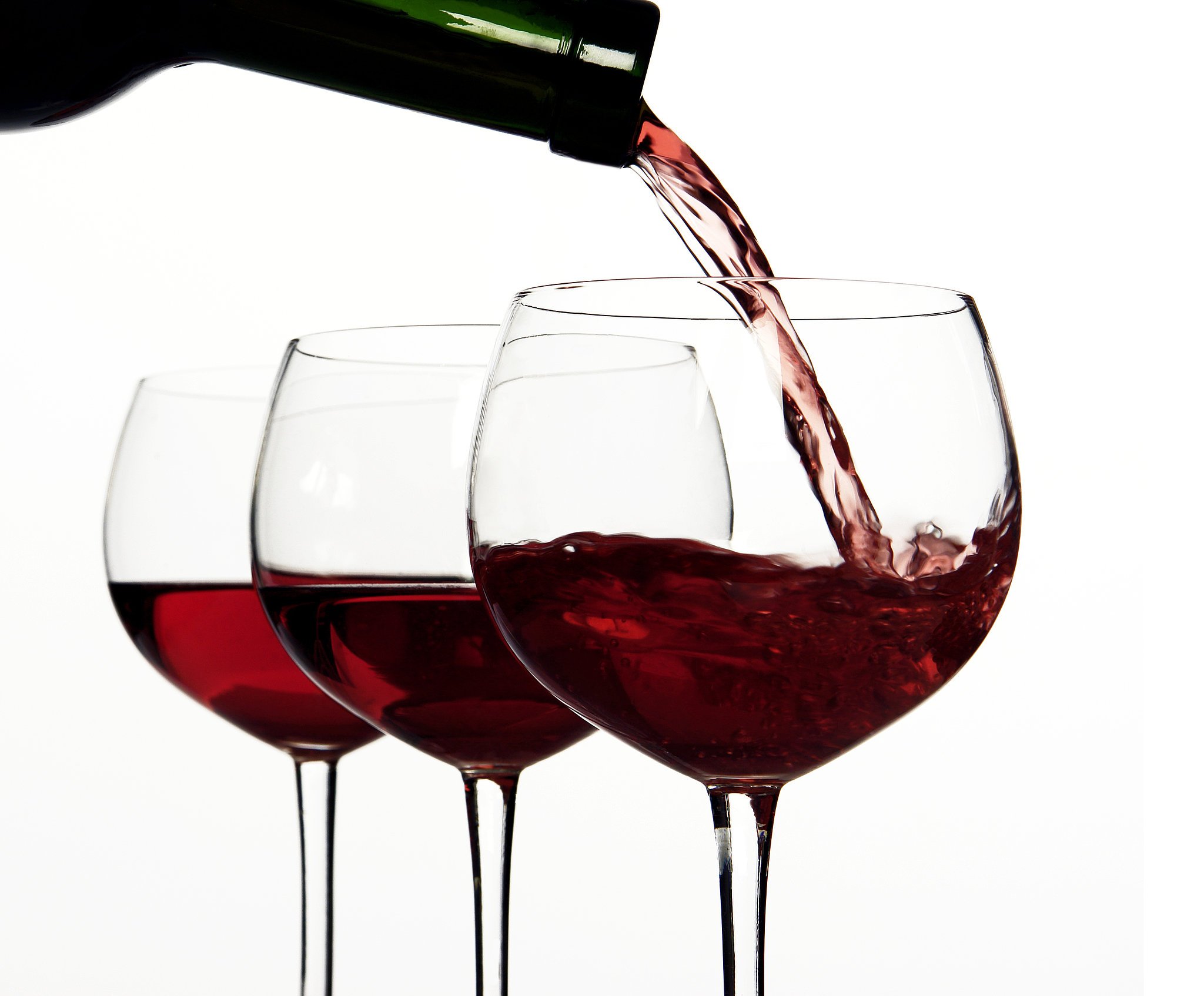 Grocery store merlot’s reason for being is that consumers like its fruity taste and that it seems sweet even though it’s dry. That combination, plus the fact that these wines have little in the way of tannins, translates to “smooth,” the ordinary wine drinker’s favorite descriptor.
  That’s the top trend in wine this year, that we’re feeling better about the economy and trading up: Buying more expensive wine than the wine we bought during the recession, moving from $4 bottles to $8, from $8 to $12, from $10 to $15, and from $15 to $20. The wine business calls this trend premiumization, and the salivating at the prospect has reached epic proportions.
 ? A revolutionary product? Gallo’s Apothic,
  This week, how grocery stores are changing the wine business:
 Over the past decade, U.S. wine consumption has set all sorts of records, and most observers expect that to continue. This year’s