






This week’s wine news: Barefoot is taking over the British wine business, plus wine thieves hit San Francisco, and who needs bloggers when you have influencers?
• Bring on the Barefoot: British sales of Barefoot, the $6 U.S. supermarket wine, grew almost three times faster than overall British supermarket wine in the 12 months ending in January, reports The Drinks Business trade magazine. This is an odd story, since it combines what seem to be legitimate sales statistics with a sponsored post label. Still, if it’s to be believed, British supermarket shoppers are going ga-ga over Barefoot, which the story says was the country’s best selling supermarket wine last year. And, to show that some things never change, one of the top Barefoot sellers was white zinfandel, a wine style that has been out of favor in the U.S. for a decade or more. And no, I have no idea why this is.
• Stealing Italian wine: Thieves are targeting San Francisco wine shops and bars looking for pricey Italian wine, says the Sfist website. The thieves robbed two locations, and tried to rob a third, and their haul focused on Barolo and Barbaresco, high-end Italian red wine. Interestingly, the thieves didn’t steal cash and expensive electronics at one of the shops. This has led to speculation that the robberies were commissioned to get just those wines, which are prized among collectors. Or, says the story, they could be sold under the table to restaurants looking to upgrade their wine lists.
• Yes, influencers: Some of us who write about wine are aghast at the influence of so-called influencers, people with large social media followings who are paid to post about certain brands in the expectations their followers will buy the product. This has aided rose’s growth in the wine business. So, if you’re one of those wine writers, don’t read the rest of this bit. That’s because “Wall Street analysts [are] monitoring Instagram posts to find out what the next consumer drinks trend might be.” Specifically, they’re watching to see if influencers are switching from hard seltzer, currently the market darling, to pre-mixed cocktails. If so, then it’s time to dump the seltzer brands in favor companies who make the cocktails. Ain’t post-modern stock analysis grand?
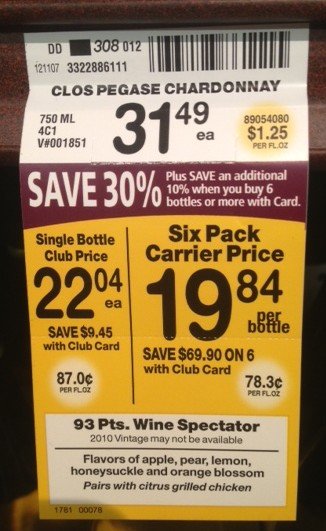 This week’s wine news: Supermarket wine prices vary significantly from state to state, plus a study says liquor stores and high crime are related and the FTC is going after social media influencers