

Tag Archives: Walmart

Walmart: An example for the wine business

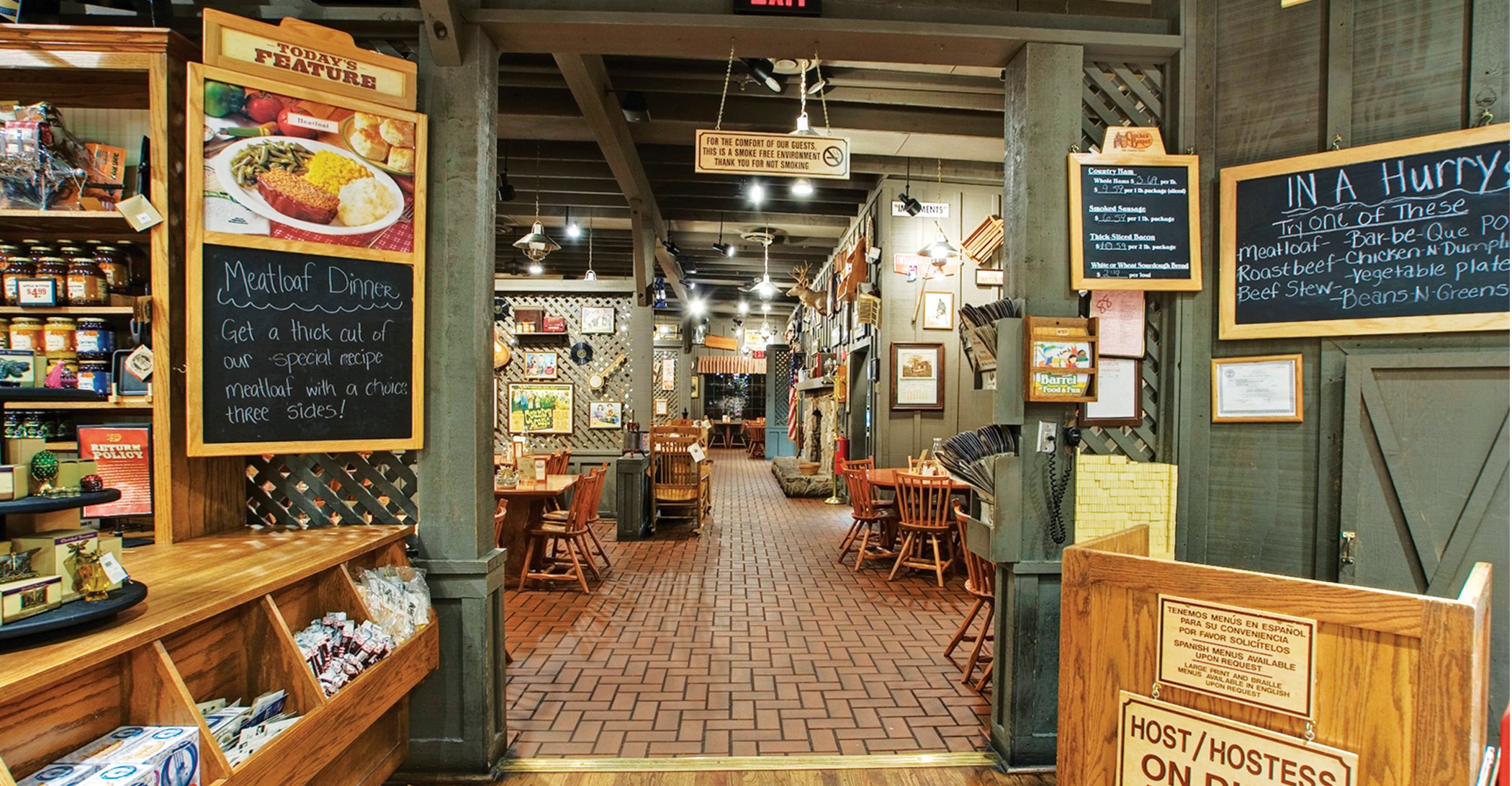
Walmart store front
Walmart’s formula: Increased volume, lower prices, more profit

Retailer holds the line on prices, focuses on less expensive items, and makes more money

What does one of the world’s most successful companies do when faced with inflation, declining sales, and all the rest that is going on today?

Find a way to make more money, of course – without raising prices.

Are you paying attention, wine business?

The company is Walmart, and for all of its many failings as a corporate citizen, it knows how to boost the bottom line – over and over and over. The rest of U.S. retailing may be running around in a panic, but not Walmart. To quote one news report: “Walmart topped analysts’ expectations for earnings and revenue in the fiscal second quarter, even as consumers pulled back in discretionary categories like apparel.”

The company did it by holding the line on prices – even cutting some and taking smaller margins — and focusing on less expensive items. Its reward was not only more profit, but a 5 percent jump in its stock price.

In other words, it did exactly the opposite of what the wine business is doing.

Now, before some of you start saying this isn’t exactly an apples to apples comparison, that’s true. But there are enough similarities to make the comparison worthwhile:

• Walmart has noticed many customers, even high-end ones, “trading down” — buying less expensive products as inflation bites. This, of course, is anathema to the wine business, which insists we buy more and more expensive products because it wants us to.

• Demand at Walmart has remained steady, if not a little higher. It is seeing an increase in wealthier customers looking for bargains. The wine business, as we know all too well, hasn’t seen an increase in demand in years.

• Wine is a discretionary product; we don’t need to buy it. Walmart found a way to make more money despite a decline in the sales of discretionary products. What does that say about wine’s near-term health?

I don’t write these things to be spiteful or vindictive, and I wish I didn’t have to to write them at all. But someone needs to remind the wine business that it’s not 1995 anymore – and hasn’t been for a long time.
Winebits 708: Three-tier, direct shipping, Big Food

walmart wine
“Do you see that Walmart wine that the WC needs to buy?”

This week’s wine news: Even Walmart is scared of three-tier, plus direct shipping for spirits, and Big Food dominates even more than Big Wine

Not in Arkansas? The email from the Walmart marketing person wanted me to review its new $10 Winemakers Selection Reserve Series wines. But when I talked to the woman, she said I would have to go to Walmart to buy the wines. Arkansas law forbids the company – one of the largest retailers in the world, the inventor of the post-modern supply chain, and the subject of more academic studies than Wine Curmudgeon has rants – from sending samples. Is it any wonder I worry about the future of the wine business? I mention this not to be upset and bothered that I have to go to Walmart to buy wine; regular readers know I buy about two-thirds of the wine I review, and have bought much Walmart wine in the past. Rather, it’s to note that it’s difficult to get products reviewed when it’s illegal to send the product to reviewers. Which, of course, happens in almost no other business in the world.

Bring on the spirits: Several trade groups are lobbying for direct shipment of beer and spirits, which is currently illegal. If they succeed, you’ll be able to buy craft beer, whiskey, gin, and so forth directly from the producer, just like we do with wine. This means they’re heading for a showdown not only with the various states, but with the all-powerful Wine & Spirits Wholesalers of America. It opposes all direct shipping, even of wine. The groups say that even though 46 states plus the District of Columbia allow direct shipments of wine, only nine states plus D.C. permit direct shipping of spirits, despite “despite broad consumer support for the latter.”

Big Food: Dwight Furrow, writing in Edible Arts, talks about the human, environmental, and agricultural cost of Big Food, the companies like Kraft Heinz, General Mills, Conagra, and Unilever that are even more dominant in their sphere than Big Wine is in its. “For those of us who have been watching consolidation in the wine business, this will come as no surprise. But the situation is much worse in the food industry,” he writes. It’s a clarion call to anyone who worries about consolidation in wine and how it affects something we dearly love.

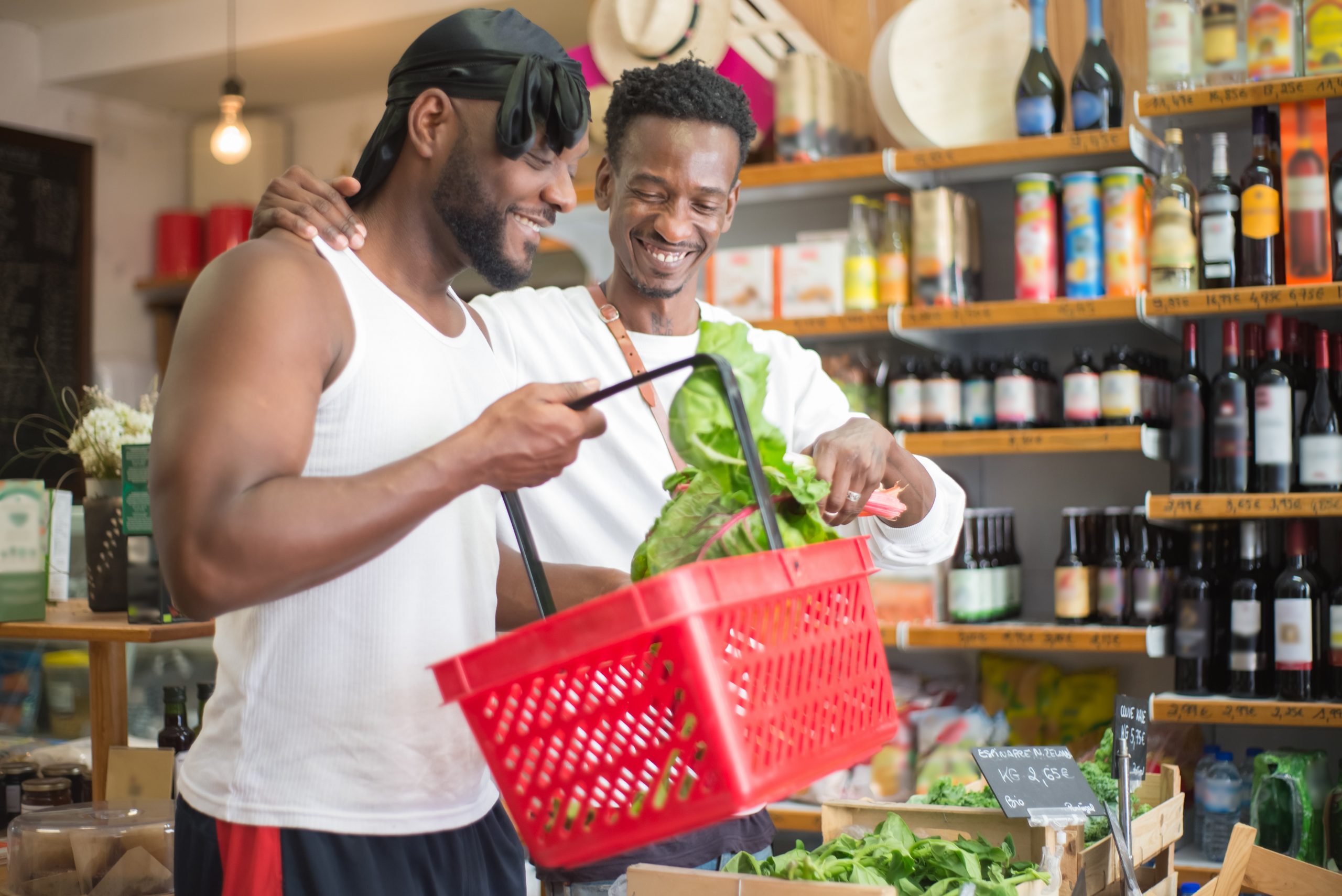
Photo: Kampus Production from Pexels

Winebits 696: Wine tariff, Walmart, wine tourism

wine tariff
Could the end be in sight for the EU wine tariff?

This week’s wine news: More good news on ending the EU wine tariff, plus Walmart will sue Texas to open liquor stores and mixed news for wine tourism

More good tariff news: The new U.S. trade representative says she’s “hopeful and motivated” in resolving the airplane parts dispute that led to the Trump wine tariffs. Bloomberg reports that U.S. Trade Representative Katherine Tai told a Senate committee last week that she is “very committed” to ending the tariffs by July, which would put an end to the two-decade long dispute over the subsidies. “I am at this point very motivated and hopeful that we will get the traction that we need with our trading partners,” Tai told the Senate panel. Which is the best news we’ve heard about the wine tariffs since the U.S., the EU, and Britain announced the four-month tariff suspension in March.

Suing in state court? Walmart, whose several federal appeals failed, will change direction and sue Texas in state court to overturn a law that says it can’t open liquor stores in the state. The Alcohol Law Review Blog reports that the retailer “will pursue its litigation strategy in the Texas state court system under Texas state constitutional claims.” This comes after the Supreme Court declined to decide the case and Walmart was rebuffed twice by a federal appeals court. The company wants to overturn a state law that says only privately-held companies can sell spirits in Texas, on the theory that public companies can’t guarantee the public health and safety as well as private companies when it comes to selling gin, bourbon, and the like. Ah, now to be in Texas that three-tier is here.

Return of wine tourism? Wine Business News reports mixed news for a revival of wine tourism, based on a recent Wine Market Council webinar. Dale Stratton, the group’s president, said the wine industry must continue to monitor consumer sentiment about health and safety. “First and foremost, it’s the consumer in the end who decides what recovery looks like,” he said. In this, expect wine tourism growth to come from people who live in the same regions as the wineries, and wine country destinations in rural areas will likely benefit the most.

Winebits 661: Walmart lawsuit, Cracker Barrel wine, Amazon Fresh

walmart lawsuit
“How about a glass of wine with that t-shirt?”

This week’s wine news: Walmart gets an ally in plan to open liquor stores in Texas, plus Cracker Barrel adds booze and Amazon plans full-sized supermarket without checkout – unless you’re buying alcohol

Walmart lawsuit: The U.S. Chamber of Commerce has filed a brief supporting Walmart’s attempts to open liquor stores in Texas. This is a big deal; the chamber of commerce, though pro-business, usually doesn’t choose between businesses. In this case, the Texas Package Stores Association, which represents most of the state’s liquor retailers, is Walmart’s arch-enemy in the liquor store lawsuit. No word yet on when the Supreme Court will decide whether to accept Walmart’s appeal. Most recently, a federal appeals court ruled against Walmart, agreeing that a Texas law that forbids publicly-owned companies from getting a retail spirits license is constitutional.

Cracker Barrel booze: Cracker Barrel, the interstate highway restaurant chain known for a front porch and souvenir shop, has added 60 restaurants to the number of locations selling beer, wine and mimosas. That brings the total to 80; the restaurants are in Florida, Kentucky, and Tennessee. This is an interesting experiment, given that many of the chain’s stores are in the South, where there are still religious objections to drinking, and that many of its customers will get back on the interstate to drive hundreds of miles after eating.

Amazon Fresh: Remember all the fuss in the cyber-ether when Amazon opened its Amazon Go convenience stores, which didn’t have traditional checkout? Then get ready for more excitement. The e-tailer has opened a 35,000-square-foot store in suburban Los Angeles, with the goal to help shoppers avoid a checkout line. Except, of course, if they’re buying wine or beer. As we noted here when Amazon Go opened, there was an employee to check ID, and one reporter noted: “There was nothing fancy or high-tech about this when I went to peruse the beer.”

Photo courtesy of Nation’s Restaurant News, using a Creative Commons license

Winebits 651: Walmart, Grocery Outlet, neo-Prohibitionists

WalmartThis week’s wine news: Walmart will appeal take Texas liquor store case to Supreme court, plus blog favorite Grocery Outlet wins award and the neo-Prohibitionists strike again

Walmart appeal: Walmart, rebuffed twice by a federal appeals court, will appeal to the U.S. Supreme Court to be allowed to open liquor stores in Texas. We’ve followed this closely on the blog, since Walmart is trying to overturn a state law that forbids publicly-held or out of state companies from getting a retail liquor license (one of the WC’s favorite three-tier restrictions). Walmart won its case at the trial level, but was rebuffed twice by the the Fifth Circuit Court of Appeals. There’s no certainty the Supreme Court will take Walmart’s case. But if it does, expect some serious three-tier fireworks.

Award-winner: The Wine Enthusiast has named blog favorite Grocery Outlet as one of its 50 best U.S. wine retailers. This is a big deal, if only because Grocery Outlet — best known for its cheap wine — is still mostly on the West Coast. The award puts Grocery Outlet in the same class as Costco, perhaps the U.S. leader in what the magazine calls “value-driven” wine.

One glass of wine: An influential federal panel, reports Forbes, is recommending that men reduce alcohol intake to one drink per day, and that all Americans should cut back on added sugars. Who knew that a couple of glasses of wine were as deadly as that quart of vanilla ice cream? But that’s the finding from the Dietary Guidelines Advisory Committee, which says that the extra glass of wine is associated with a “modest but meaningful increase” in death rates.

Winebits 628: Randall Grahm, Walmart booze, health news

randall grahm
Randall Grahm

This week’s wine news: Randall Grahm sells Bonny Doon, Walmart booze plan in Texas suffers setback, and why there’s no health news on the blog

Boony Doon is sold: Randall Grahm has sold his Boony Doon Vineyard, marking the end of one of the most unique and iconoclastic wine operations in the U.S.  The new owner is WarRoom Ventures, a marketing company that owns California’s Lapis Luna Wines. No sales price was disclosed. Grahm, who pretty much invented the non-traditional wine label and pioneered screwcaps and ingredient labels, will become a partner in the new venture and oversee winemaking. The new Bonny Doon will make just four wines, and not its current 15 — its outstanding rose, a picpoul, and its flagship red and white Rhone blends. Boony Doon, regardless of whether the new company is successful, will be missed. For one thing, I will have less reason to talk to Grahm, who is always a treat, and I won’t be able to buy his standouts syrahs, some of my favorite wines in the world.

Banging head against wall: The U.S. Fifth Circuit Court of Appeals has refused to re-examine Walmart’s attempt to open liquor stores in Texas. The ruling means the retailer can try to appeal to the Supreme Court or give up on its plan, which seemed quite possible after it won on the district level in 2018. But the Fifth Circuit has twice refused to hear the Walmart suit questioning the constitutionality of a Texas law that prohibits publicly-held companies from getting a retail liquor license. Its reasoning? That Texas law discriminates equally against in-state and out-of-state publicly held companies. Cue the three-tier meme. The only good news from this? If Walmart appeals and the Supremes agree to hear the case, it could be one more chip in the wall of three-tier.

More of the same: The Wine Curmudgeon banned health news from the blog years ago, since most of it was stupid or foolish or both. So here comes one more story to remind us why the ban is in place: Coffee may help people lost weight. Someone, somewhere, got money to do what appears to be legitimate academic research to discover the same thing that companies that make over the counter diet pills already know. Caffeine is a stimulant. Stimulants are diet aids. Coffee has caffeine. Sigh. And I once had an academic impugn the integrity of this research. Had only I known….

Winebits 477: Wine retailers edition

wine retailersThis week’s wine news: Wine retailers Walmart, Total Wine, BevMo are in the headlines

Pricing dispute: BevMo, the West Coast liquor chain, has accused Total Wine of unfair advertising. It claimed that the latter’s ad campaign — “Don’t Paymo at BevMo” – that said BevMo’s prices were higher than Total’s wasn’t true. BevMo brought its complaint to the National Advertising Division, a self-regulatory group set up by the ad business. Total declined to participate in the process, which it is allowed to do. What’s interesting here is that Total, which seems to spend as much time courtrooms as Perry Mason, wasn’t worried by the challenge, which was made by one of the biggest regional chains in the country.

Pricing dispute II: Total has also run afoul of the Massachusetts liquor cops, who have accused it of violating the state’s minimum pricing laws. The chain has sued the Alcoholic Beverages Control Commission for briefly suspending the licenses of two Total stores for allegedly selling vodka, rum, and other booze for $1 to $6 below cost. In the Total suit, the company said it assumes that local retailers turned the chain in to the state because they didn’t want to compete on price.

Election dispute: How deep are Walmart’s pockets? The retailer spent more than $4.8 million that helped pass a ballot measure to allow wine sales in Oklahoma grocery stores. That was some 90 percent of the money raised by the group supporting grocery store wine sales. And, because this is about booze sales, the results of the election have ended up in federal court. The state’s retail liquor trade group claims the measure is unconstitutional and wants it voided.