


Tag Archives: Villa Maria

Winebits 756: Chateau Ste. Michelle, Villa Maria, AVAs

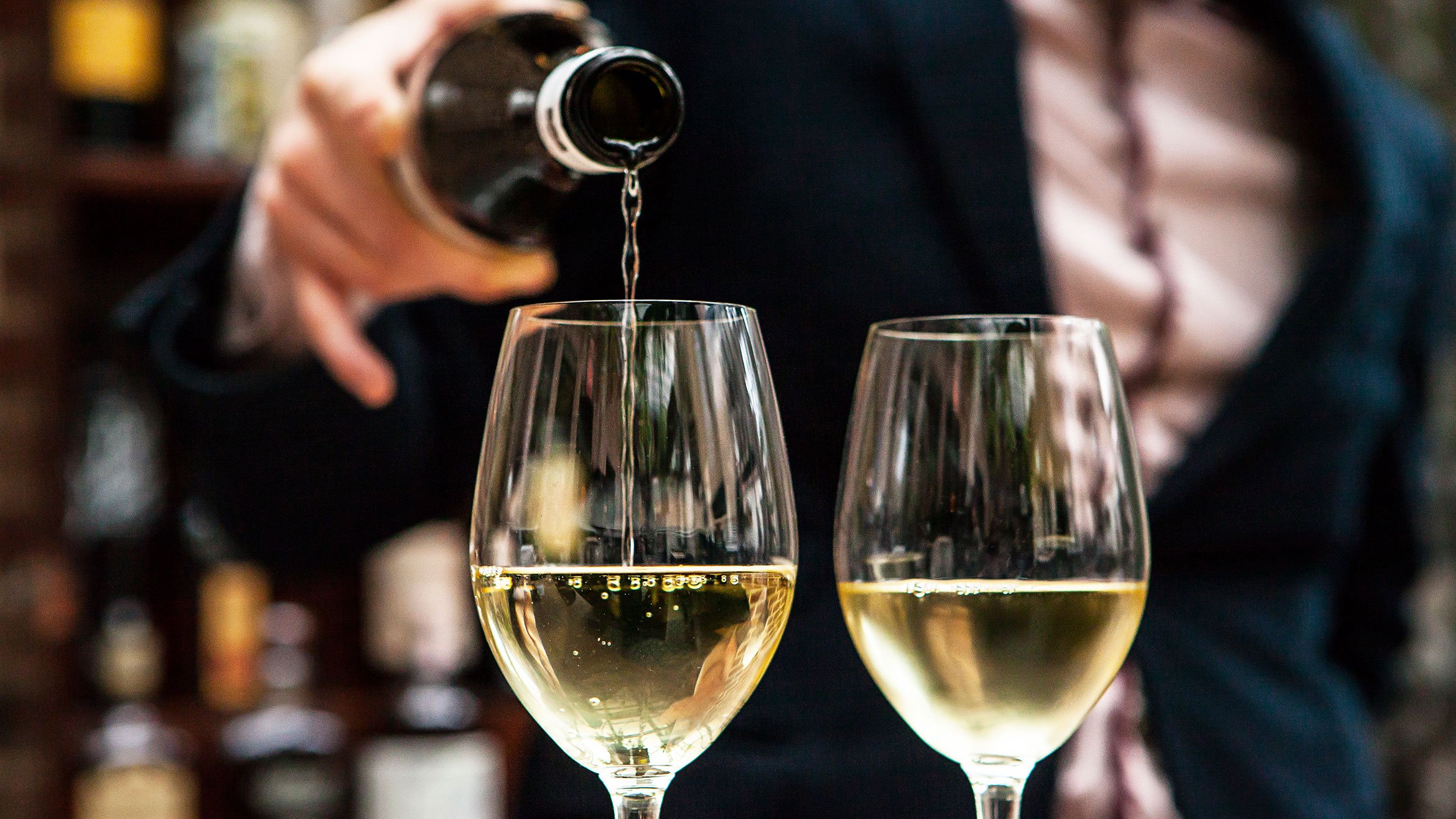
wine poured into two glassesThis week’s wine news: New owners will close Chateau Ste. Michelle’s flagship facility, plus more legal troubles for New Zealand’s Villa Maria and the federal government’s terrific AVA website

Not good news: When a private equity company bought Washington state’s Chateau Ste Michelle last year, most in the wine business yawned. One employee even told me it would be good for the winery, one of the biggest in the U.S. So much for that. The equity group, Sycamore Partners, announced last week it was closing the company’s flagship winery in Woodinville. Wash., and would try to sell it. No word on how many jobs would be lost. Sean Sullivan of the Washington Wine Report broke the story; Blake Gray at Wine-Searcher has a spot-on analysis. Private equity firms buy companies to sell their assets so they can make money, and wineries are no exception. They do not buy wineries to dabble in the romance of wine, no matter what those in wine might think.

Legal woes: Villa Maria, long one of New Zealand’s most respected wineries, has been shrouded in legal problems for a couple of years. It may have been in bankruptcy a year ago in May; it was certainly sold almost a year ago. But most news reports of the winery’s financial difficulties have been worse than vague. The latest news is also not good. The former owner is embroiled in a lawsuit with the new owners, which seems to revolve around how much money will be left after winery pays its debts but also seems to include charges of fraud.

Where is that AVA? AVAs, or American Viticultural Areas, are legally designated areas where grapes are grown in the U.S. — 266 in all. So there are some in Napa and Sonoma, but also in Texas, New York, Ohio, and Missouri. Finally, there is a tool better than searching for a Wikipedia listing: An interactive map from the federal agency that regulates AVAs. It’s really quite impressive.

Winebits 710: Villa Maria bankruptcy, ancient wine, wine marketing

ancient wine
There’s more evidence that the Romans traded wine throughout their empire, and even as far as France.

This week’s wine news: Villa Maria’s mysterious bankruptcy appears over, plus an ancient wine discovery and more wine marketing faux pas

Bankruptcy over? New Zealand’s Villa Maria, which has apparently been in some sort of bankruptcy since at least May, has been sold. The story in the link is very vague, as almost all news reports of the winery’s financial difficulties have been. On the one hand, the winery may have been profitable, but it also owed its lenders NZ$212 million (about US$149 million). Why the situation forced bankruptcy now has never been made clear. Villa Maria was purchased out of receivership by a New Zealand winery called Indevin, which seems to make private label wine for retailers and supermarkets. All of this has been more depressing news for those of us who care about quality cheap wine; Villa Maria’s $15 sauvignon blancs are always top notch.

More ancient wine: Researchers have found the ruins of a ship near Sicily that may have been transporting wine in the Mediterranean more than 2,000 years ago. Decanter reports that amphorae, ancient storage jars used to transport wine, were discovered alongside the ruins of the ship. It’s the second shipwreck discovery in a matter of weeks off the coast of Sicily. The Romans, of course, were great wine producers and innovators, and may even have invented wine writing. This discovery, say researchers, adds more evidence to the theory that wine and olive oil were trade throughout the Roman Empire, and especially by ships in the Mediterranean that went as far as northern France.

Bring back the Curmudgies! The Curmudgies ran on the blog from 2012 to 2017, honoring the worst in the wine business. This included a worst news release award, of which there were always far too many to choose from. But this release, reported by Lew Perdue at Wine Industry Insight, may be the all-time worst. It has just one line: “Please call with any inquiries.” Apparently, the subject line was supposed to get the editor to call, so there was no reason to send anything else. Is it any wonder I worry about the future of the wine business?

Wine of the week: Villa Maria Pinot Noir Private Bin 2018

villa maria pinot noirThe Villa Maria pinot noir is simple but structured — a fine value for pinot noir

There’s no reason why the Villa Maria pinot noir should be such a value and taste so much like pinot noir. It’s almost a Big Wine product, for one thing, and it’s almost impossible to find quality pinot noir at this price.

Nevertheless, that’s the case – a welcome relief in these days of sweet, focus grouped pinot. In fact, you can’t ask more from the Villa Maria ($14, purchased, 13%) at this price. It isn’t complex, but it is structured, with an almost Burgundian forest floor aroma, some herbs and tannins, and lots of bright berry fruit in the New Zealand pinot style. It’s especially impressive for an entry level product.

So how does this happen? For one thing, Villa Maria is still owned by the Fistonich family; its Big Wine deal is an import agreement with Ste. Michelle Wine Estates, and the latter is lot more hands off when it comes to telling its “partners” what to do. Second, I was lucky enough to meet Villa Maria founder Sir George Fistonich early in the blog’s history. He impressed me as someone who cared about the wine his company made in a way that too many others don’t.

Serve the Villa Maria pinot noir with the usual suspects, like lamb and salmon, but don’t be afraid to experiment with it. It would make terrific coq a vin, both as the wine for the chicken and to drink with the dinner. Highly recommended, and a candidate for the 2021 $10 Hall of Fame.

Imported by Ste. Michelle Wine Estates

Wine of the week: Villa Maria Sauvignon Blanc Private Bin 2017

Villa Maria sauvignon blancThe Villa Maria sauvignon blanc remains classic New Zealand white wine — and a more than fair value

When the blog was new, so was New Zealand sauvignon blanc, and the Villa Maria was among the best – and it cost just $10.

Those days are gone. New Zealand is acknowledged as the leader in sauvignon blanc, and even the French copy the style – lots of citrus, usually grapefruit, and little else for wines costing less than $15. But the Villa Maria remains consistent, quality wine. And if it isn’t $10 any more, it does offer more for your dollar than the shelves and shelves of cheaper monkey-labeled, bay-themed bottles.

The Villa Maria sauvignon blanc ($12, purchased, 12.5%) offers classic Kiwi style, sitting just a notch below the two I think are the best, Jules Taylor and Spy Valley. Yes, there is lots of grapefruit (more white than red), but the wine also has the three flavors all well-made wine should have regardless of price – the grapefruit in the front, some sort of white stone fruit in the middle, and a refreshing, clean stony finish.

Highly recommended, and a bargain for anything less than $13.

Imported by Ste. Michelle Wine Estates

Mini-reviews 64: Muscadet, Stoller, Prosecco, Villa Maria

Labor Day wine reviewsReviews of wines that don ?t need their own post, but are worth noting for one reason or another. Look for it on the final Friday of each month. This month, four more wines for Labor Day.

? No l Bougrier Muscadet 2012 ($8, purchased, 13%): This French white wine, a private label for the Total Wine chain, was tart and sour, with little varietal character. Muscadet, made with the melon de bourgogne grape, should be light and refreshing. This reminded me of bad cheap French wine in the old days.

?Stoller Dundee Hills Pinot Noir 2012 ($25, sample, 13.8%): Delicious Oregon pinot noir, with berry flavors, zingy tannins, and as balanced as it should be. A fine value, even at this price. Highly recommended, and another example of the fallacy of scores. It scored 86 on CellarTracker, the blog’s unofficial wine inventory app, while the barely drinkable Bourgier scored 88.

? Deccolio Prosecco NV ($13, sample, 11%): This extra dry Prosecco is not too sweet, which is saying something. Extra dry is sweeter than brut, the most dry, and can be almost syrupy. It’s well put together with lemon fruit, a little minerality, and better bubbles than I expected. But extra dry cava will give you the same thing for a couple of dollars less, as will something like La Marca Prosecco.

? Villa Maria Pinot Noir Private Bin 2012 ($15, sample, 13%): A wine I desperately wanted to like, but that shows again Villa Maria’s fall from grace. This New Zealand red is nothing but sweet cherry fruit, without any pinot character.

Expensive wine 65: Alain Hudelot-Noellat Chambolle-Musigny 2003

Alain Hudelot-Noellat Chambolle-MusignyThe Wine Curmudgeon long ago accepted the fact he would never get to taste most of the world’s great wines. Even if I could afford them, what with prices like $500 for a bottle of Cheval Blanc from an ordinary vintage, availability is difficult.
Which is why I’m always grateful when The Big Guy brings a bottle of Burgundy to the house. These French wines — the red is pinot noir and the white is chardonnay — are his favorites, and we always have a terrific time marveling at how well the Burgundians put them together, and always seem to get a whole that is greater than the parts.

The Hudelot-Noellat ($60, purchased, 13%) is no exception. The producer is one of the most respected in the region, one of those family businesses that make Burgundy what it is. We tasted the about 18 months ago, and it was still young and lively, with a zingy, almost tangy fruit aroma and a wonderful burst of red fruit (strawberry, as hard as that is to believe) in the middle.

He brought another bottle over last month, and the wine had calmed down quite a bit. It’s probably ready to drink; the fruit is starting to become part of the wine, and isn’t something that stands out. It’s a wonder of oak and tannins, a lesson in how to use oak in pinot noir and how to craft tannins that give the wine structure but don’t overwhelm it.

This is an elegant, subtle wine, one that is gone before you notice what has happened, and then you wonder why there isn’t any left. It’s a reminder of just how good red Burgundy can be, and why it’s so expensive.

Mini-reviews 63: Da Vinci, Fetzer, Villa Maria, Santa Cristina

Mini-reviews 63: Da Vinci, Fetzer, Villa Maria, Santa CristinaReviews of wines that don ?t need their own post, but are worth noting for one reason or another. Look for it on the final Friday of each month.

? Da Vinci Chianti 2011 ($12. sample, 13.5%): Much, much better than the past couple of vintages of this Italian red, with an effort made to make it taste more like Chianti and less like merlot from California. This means less soft fruitiness and more earthiness, plus sangiovese’s tell-tale sour cherry.

? Fetzer Gewurztraminer Shaly Loam 2012 ($8, purchased, 12%): This white wine won a platinum at the 2014 Critic’s Challenge, and if that seems to be a bit of a stretch, it’s still an excellent example of an off-dry gewurtzraminer (though it could be a little more crisp), and especially for the price. Look for apricot fruit and white pepper spice.

? Villa Maria Unoaked Chardonnay 2013 ($14, sample, 13%): Surprisingly dull white wine from an otherwise fine New Zealand producer, lacking fruit, crispness, and with a very bitter finish. If it didn’t have a screwcap, I’d think it was corked.

? Santa Cristina Cipresseto Rosato ($12, sample, 11%): OK Italian rose made mostly with sangiovese, but nothing special, and especially for $12. Could use a little more interest, be it fruit or elegance or even a little acidity. More thin than anything else.