



Tag Archives: John Gillespie

The history of wine advertising and reaching younger consumers

Portugese wine
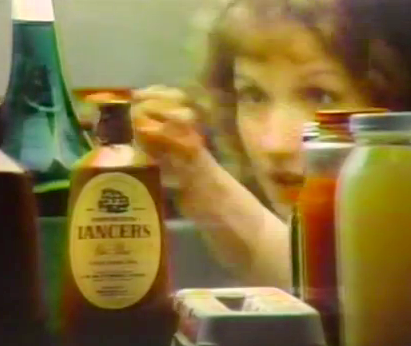
Marketing wine to younger consumers needs more than another Lancers commercial — which, of course, is what we usually get.

Younger consumers don’t want corny and Aldo Cello, but what have they been getting?

Wine Opinions’ John Gillespie, who has been analyzing the wine business for even longer than I’ve been ranting about it, offers some needed perspective about the state of wine advertising:

“If the question on everyone’s mind today is how to gain the favor of young adult beverage alcohol consumers, the first thing to understand is that the wine industry has literally been there, and done that. Of course, the playbook of the winning brands half a century ago must be updated — the wines that broke though in the ’70s and ’80s are not likely to stage a reunion tour anytime soon.”

Gillespie offers a look at the wines and advertising that played key roles in the 1970s and ‘80s boom, including E&J Gallo’s Hearty Burgundy; the German white, Blue Nun; all of those corny Riunite ads; and even Aldo Cella, who sold lots and lots of bottles of Cello Lambrusco.

Gillespie makes the telling point that as successful as those brands and campaigns were, they can’t — and shouldn’t – be repeated today. Those were Baby Boomer moments, and despite what he identifies as some similarities between the Boomers and their children and grandchildren, the demographics aren’t the same.

This is something we’ve noted on the blog many times, most recently for Gallo’s new Black Box campaign. It has more in common with those 1970s and ‘80s efforts than with anything post-modern.

What the wine business should be doing instead of what it did 50 years ago, says Gillespie, is to focus its marketing on two ” ‘features and benefits’ that resonate especially well with consumers under 40. Wines made from organically grown grapes or by wineries with sustainability certifications significantly over-index among those in their 20s and 30s.”

Which, as you may have noticed, may never have been in any important wine ad ever in the history of wine ads.

Is it any wonder I worry about the future of the wine business?

Are Americans going to drink more wine?

wine market councilOver the past decade, U.S. wine consumption has set all sorts of records, and most observers expect that to continue. This year’s Silicon Valley Bank report called for a 14 percent increase in high-end wine sales, while a study commissioned by the VinExpo trade show said U.S.wine drinkers will power world growth.

But not everyone is convinced.

“It ?s not that I ?m not optimistic, it ?s that the reality of the market when you look at the hard data of total table wine sales over the past three years following the recession,” says John Gillespie, the president of the Wine Market Council, which tracks U.S. wine drinking habits. The group released its 2014 report last week, and it seemed to be at odds with what the others have been reporting.

Gillespie’s point: After more than a decade of substantial growth, in which per capita wine consumption in the U.S. finally passed that of the early 1980s, sales coming out of the recession were nothing like the previous 15 years. Perhaps, says Gillespie, this more or less flat growth is the new normal, the sign of what economists call a mature market.

Which raises two questions: Why is this happening, and what does it mean for wine drinkers? Gillespie says it’s difficult to know why consumers do what they do, but that the Wine Market Council figures suggest some of us are drinking less wine and more craft beer.

My theory isn’t as nuanced (and doesn’t have Gillespie’s experience or data to support it) and should not be surprising to regular visitors. It’s about price; consumers don’t want to pay the higher prices the industry is trying to impose, and aren’t happy with the quality they’re getting at lower prices. Hence, they’re looking for something else to drink. The Silicon Valley Bank report said producers are focusing on premiumisation, the idea that better quality wine should cost more money. In this, they want consumers to trade up from their $10 and $12 bottles to $18 and $20 bottles.

Could the flat growth that Gillespie sees be consumers rejecting premiumisation? Will we start to look elsewhere, like craft beer, for value? If so, the wine business could face problems over the next decade, since producers expect pre-recession growth. If growth is flat, we’ll have more wine, and especially more high-priced wine, than there is demand for, and prices could collapse again, just like they did during the recession.

Which may be welcome news for consumers, but hardly anything the wine business wants to hear.

More about the Wine Market Council reports:
? The 2013 Wine Market Council report
? The 2012 Wine Market Council report