Tag Archives: Italian wine

Wine of the week: La Fiera Pinot Grigio 2020

la fiera pinot grigio
La Fiera Pnot Grigio 2020/$6-$12

Yes, there is inexpensive pinot grigio that tastes like wine and not tonic water

The Wine Curmudgeon does not like pinot grigio. I’ve judged it, tasted it, and written about it – perhaps hundreds of them over the years. And, save for the occasional $15 to $18 label, they almost all taste alike: Tonic water or club soda and almost nothing else.

Except, perhaps, for the La Fiera ($9, purchased, 12%). I’ve been tasting it and reviewing it for the blog almost since the day I started doing this, It rarely disappoints.

Is the La Fiera a brilliant, transcendent, life-changing wine? Of course not. That’s not what it’s made to be. It’s made to be pinot grigio – a simple, everyday, inexpensive wine that you drink with dinner or open after work to have a glass or two.

Sadly, these kinds of wines tend to be made so as to offend the target audience. That’s the not the case with the La Fiera, which is consistently well made and consistently delivers value. The 2020 is clean and simple, with some tonic water and some green apple fruit. In other words, just the kind of wine for what it’s supposed to be, but not so simple that you won’t remember drinking it.

Imported by Winesellers, Ltd.


Wine of the week: Corvezzo Prosecco Extra Dry NV

Corvezzo Prosecco Extra Dry NV/$12-$15

The Corvezzo Prosecco is a step up from the usual fizzy Italian sparkler

The Wine Curmudgeon has long had an indifferent relationship with Prosecco, the inexpensive Italian sparkling wine. On the one hand, quality has improved greatly over the past decade. On the other, not enough producers seem much interested in improving it past where it is – decently fizzy, sometimes not quite too sweet, and just enough fruit so that it tastes like wine.

So when I find a Prosecco that is more than that, I want to write about it.

Such is the Corvezzo Prosecco Extra Dry NV ($13, sample, 11.5%).

It’s noticeably sweet, but there’s enough acidity in the back so it’s mostly balanced. Again, sweetness itself isn’t necessarily a problem. There is also some sort of citrusy fruit, and the bubbles are very well done — almost creamy, which is rare for a Prosecco.

Just the thing for sipping this weekend, whether to bring in the New Year or for a holiday brunch. One note: You may see this with a variety of names, including an organic designation. As near as I can tell, they’re all the same wine.

Imported by Origins Organic Imports


Expensive wine 151: Bellavista Franciacorta Cuvee Brut

bellavista brut
Bellavista Cuvee Brut/$25-$55

Italian sparkling wine, made using the Champagne method, that offers quality and surprising value

Most Italian sparkling wine costs less than $15, comes from the Prosecco region, is made using the less expensive charmat method, and is fizzy and slightly sweet. Right, Big Blue?

But there are several other styles of sparkling made in Italy, with Franciacorta perhaps the best known (and yes, I know most of us still haven’t heard of it). I’ve never quite been able to figure out Franciacorta; why would anyone want to make Champagne-style bubbly with the same grapes used in France in Italy?

Having said that, I’ve tasted some terrific Franciacorta wines over the years. Typically, they’re pricey, though well-made, and they’ve shown up once or twice on the blog. The Bellavista ($35, sample, 12.5%) is also well-made and much less pricey – just the thing for the holidays.

Look for tight, Champagne-style bubbles, the traditional green apple fruit, not too much French-style yeastiness, and a very nice finish and back end that with surprisingly minerality. Considering its price as well as the cost of Champagne, the Bellavista is a tremendous value.

A word about vintages and availability. I tasted the 2008, which is long gone (and no doubt why I got the sample). But the wine is widely available in a variety of vintages, as well as a non-vintage wine. Most should be similar to what I tasted.

Imported by TMT USA

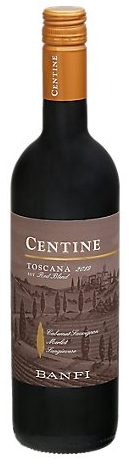
Wine of the week: Banfi Centine Red 2019

banfi centine
Banfi Centine 2019/$9-$14

Banfi’s red Centine, an Italian Super Tuscan blend, is one of the world’s great $10 wines

Banfi’s $10 Centine Italian wines have always gotten a lot of attention on the blog, often making the $10 Hall of Fame. But I never seem to give them as much credit as I do those from Falesco, another Italian producer; Tariquet, the Gascon white; or the French Chateau Bonnet red and white. In fact, I haven’t reviewed the red Centine wine in three years.

So consider this the Wine Curmudgeon’s ode to Banfi and its Centine wines. Because they deserve it.

This vintage of the red ($10, purchased, 13.5%) is not as soft as the 2017, the last one I reviewed. Instead, the Super Tuscan blend is almost herbal and earthy, with dark fruit, spot on tannins, and that wonderful acidity that is such a key to balance in Italian red wine. It’s not exactly a big wine or especially rustic; rather, there’s just some very pleasing heft to it.

In all, it’s much more than $10 worth of wine. That’s something the Centine wines (there’s also a white and rose) deliver almost every time. The other thing to appreciate? That they’re food wines – made to go with dinner, be with sausage or red sauce or the mushroom and asparagus risotto I had it with.

Highly recommended, and certain to return to the Hall of Fame next month. And don’t be surprised if it makes the short list for the 2022 Cheap Wine of the Year.

Imported by Banfi Vintners


Mini-reviews 150: Nielson, Donnata, Old Soul, Scheurebe

roses
“What, no rose in the mini-reviews this month?”

Reviews of wines that don’t need their own post, but are worth noting for one reason or another. Look for it on the fourth Friday of each month. This month, three wines to take your chances with, plus one of the geekiest bottles in blog history.

• Nielson Chardonnay 2019 ($15, sample, 14.1%): California white answers the question of whether liquid oak is a thing. Yes, it is.

• Alessandro di Camporeale Donnata 2019 ($17, sample, 13.5%): Generic Italian red that could be made from any grape or from any region — some cherry fruit, some acidity, and soft tannins. Call it one more focus group wine to be sold to Americans. Imported by Panebianco

• Old Soul Pinot Noir 2018 ($18, sample, 14%): Hot and syrupy Lodi pinot noir, for people who prefer that style.

• Müller-Catoir Scheurebe 2018 ($15, sample, 12.5%): German white is about as wine geeky as it gets. Scheurebe is a cross between riesling and an obscure German grape, so it’s funky on the nose and almost medicinal — very green herb-y, with a minimum of apple fruit. Imported by Skurnik Winess

Photo: “Boyfriend and girlfriend drinking wine closeup. Pink colors for Valentine day” by shixart1985 is licensed under CC BY 2.0

Wine of the week: Scaia Garganega Chardonnay 2020

Scaia Garganega Chardonnay
Scaia Garganega Chardonnay 2020/$10-$15

This Italian white blend shows the difference honest winemaking brings to cheap wine

The Wine Curmudgeon has been drinking this Italian white blend for six years, and this is the fourth vintage we’ve reviewed on the blog. Do you see a pattern?

In other words, terrific cheap wine year after year. Yes, there have been vintage differences, and the 2013 is still the most interesting effort. But each of the others have been worth buying and drinking.

Know a couple of things about the Scaia Garganega Chardonnay 2020 ($10, purchased, 12.5%). First, it’s an unlikely bend, since garganega is the grape used to make Soave and chardonnay is hardly very Italian. Second, neither is much respected among the Winestream Media, and so I’ve never really seen this wine get many raves.

And who cares? It’s cheap, well-made, and is just the thing for any weeknight dinner or for a glass of wine after work. This vintage has little more balance than the 2018, though not as well done as the 2013. There is lots of tart green apple fruit, and the wine is clean and crisp at the finish — simple, but not stupid.

Highly recommended, and sure to return to the Hall of Fame in 2022. And anyone who drink this regularly has a serving bowl full of the glass tops that the wine is closed with sitting in their kitchen.

Imported by Dalla Terra

Winebits 716: Eating at home, Italian imports, “waxsplaining”

eating at home
The only thing this woman didn’t buy at the supermarket for dinner was a bottle of wine.

This week’s wine news: Eating at home — and what the means for wine — is still driving supermarket sales. Plus, Italian wine imports surge and wax-sealed wine

• We’re still eating at home: Kroger’s CEO told business analysts that the supermarket chain is still seeing its sales driven by shoppers buying to eat home, something that appears to be with us even as more restaurants remain open. Rodney McMullen said that “food-at-home trends remain sticky,” and that Kroger’s sales were more or less the same as they were in the same period a year ago, near the height of the pandemic. That’s an impressive performance, and is one more indication that we’re not eating out the way we were two years ago. We’ve discussed the impact of his many times on the blog; that it bodes well for retail wine sales but not for restaurants. In this, the wine business may need to re-examine how it sells wine, as eating at home becomes less of a trend and more of a way of life.

• Bring on the Italian wine: Those of us who are flummoxed by the way wine continues to defy the law of supply and demand can take heart: Italian wine sales to to the U.S. rose 12 percent in value in 2020, compared to 2015-18. In other words, shoppers — faced with higher prices on French and Spanish wine thanks to the Trump wine tariff — bought less expensive Italian wine, which wasn’t hit by the tariff. Sparkling wine sales — mostly Prosecco — rose by 75 percent in value over the same periods.

• “Let’s make enjoying wine harder!” So writes Amber LeBeau, writing on the SpitBucket website after battling a wax-sealed wine bottle and barely getting it open. “Why are we putting extra tolls or ‘effort taxes’ on our product that we’re expecting consumers to happily pay? And then come back for more?” LeBeau asks. Which, of course, is something the Wine Curmudgeon has been wondering about for years. The points in the piece are all well made, and explains is losing popularity to alcohol with tabs. And screwcaps.

Photo: Jason Briscoe on Unsplash