







 This week’s wine news: The second biggest California grape crush ever, plus a company knocks off wine like cheap dresses and a dumb health study
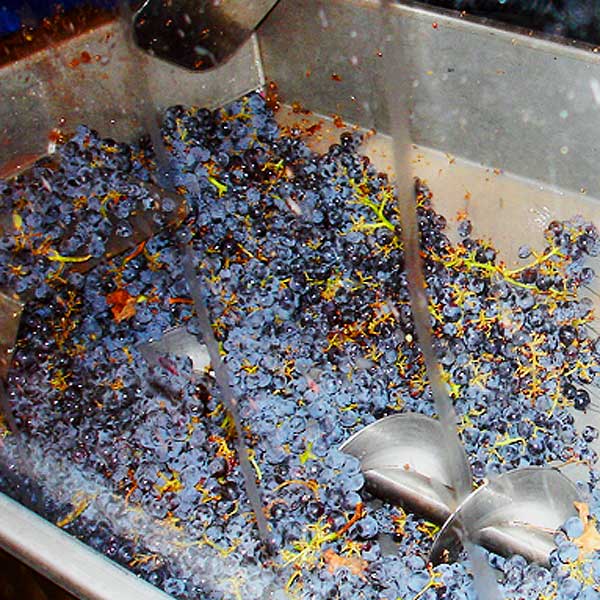
• Bumper crop: The 2016 California grape harvest, which will pretty much determine wine prices for the next couple of years, was up 15 percent from 2015 as measured in the amount of grapes crushed – the second biggest in history at 4.031 million tons. And while the price of crushed grapes was 15 percent higher this year than last, all that meant was that it mostly reached 2012 prices. What will the state’s producers do with all those grapes? Look for new labels, lots and lots of red blends (the red crush was the biggest ever), and more confusion for the consumer. And even I’m wondering what’s going on with premiumization, since 17 percent of the crush came from three grapes used in cheap bulk wines – rubired, French colombard, and muscat of Alexandria. That’s more than the amount of either the cabernet sauvignon or chardonnay crush.
• Just the same: I will report the following, from Peg Melnick at the Press-Democrat newspaper in Santa Rosa, Calif., and try to keep my editorial comments to a minimum, though if you hear a scream as you read, it’s probably the echo from my wail of anguish: “The brand is called Replica Wine, and it relies heavily on chemistry to replicate popular brands, offering customers a savings of 15 percent or more. For example, it tempts consumers with a bottling it likens to the Kendall-Jackson Vintner’s Reserve Chardonnay for $11, undercutting KJ’s $17 price.” Is that what the wine business is reduced to? Knocking off wine like it was a bad Hollywood movie or a cheap dress? Is it not enough anymore to make honest, quality wine?
• One more stupid health story: The Wine Curmudgeon banned wine and health stories from the blog in 2009, after a study was published noting that women who get drunk are more likely to have sex. Periodically, I will run a health story to remind everyone why they are banned – in this case, that wine drinking can lead to a happy marriage. The exception, as difficult as it is to believe, is if one partner drinks and the other doesn’t. And, shockingly, you can have a happy marriage if neither partner drinks. What’s next? That happy marriages are more likely if both partners love each other?