
Tag Archives: convenience store wine

Convenience store wine 2023

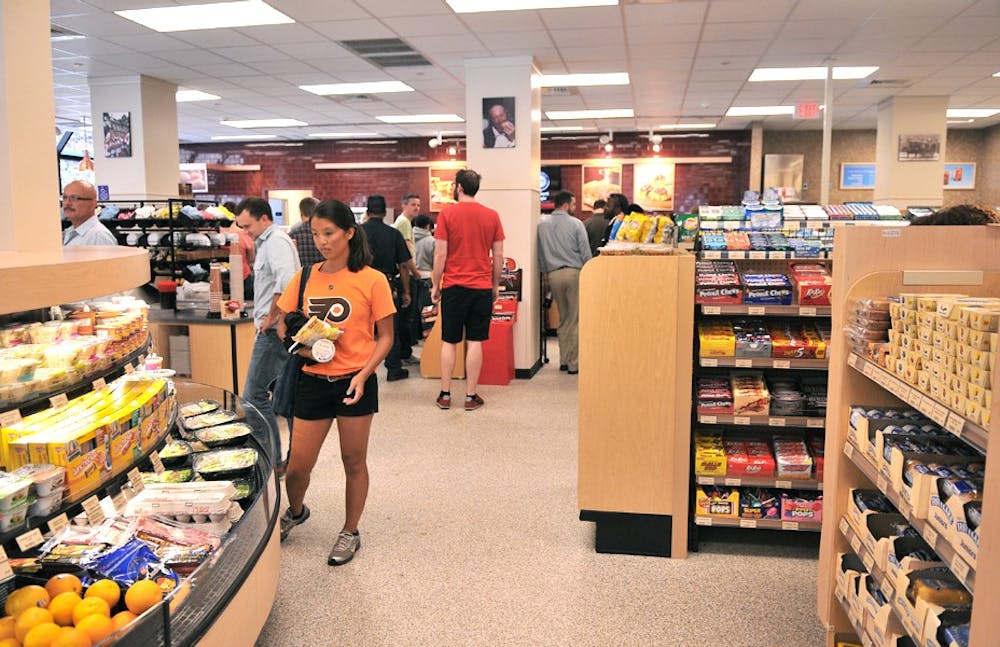
Wawa store interior
“Where are they keeping the wine these days?”

Convenience store wine sales rebounded in 2022, remaining a wine bright spot

Jeff Lenard, an executive with the national convenience store trade group, was in California last month on business. “And you know what I saw?” he asked. “I went to an ampm [convenience store] in Elk Grove that did wine tastings every day.”

In other words, the boom is back in convenience store wine sales.

In 2022, average store wine sales increased 11.1 percent, compared to a 7.5 percent decline in 2021. That increase was the fourth in the past five years in  7-Elevens, QuikTrips, Wawas, and all the rest scattered throughout the country.

The figures, compiled by the National Association of Convenience Stores, also found that almost 70 percent of convenience stores in the U.S. now sell wine. That’s up a couple of points from last year and from 58 percent in 2020 – an impressive increase and a huge number, since many states, including New York, don’t allow c-store wine sales (c-store being the cool kids term for convenience stores).

Why should we care about c-store wine sales? Several reasons:

• Because it’s a non-traditional retailer, showing that wine doesn’t have to be limited to the usual suspects (many of whom aren’t moving much product these days).

• It’s less formal, taking away lots of the foolishness in wine buying. Buy wine at a convenience store, and no one is going to shame you for choosing pink moscato.

• Millennials between 28 and 36 years are “the most invested in convenience store sales,” making purchases two to three times per week. And we know how Millennials usually feel about wine, don’t we?

More about convenience store wine:
Convenience store wine 2022
Convenience store wine 2021
Convenience store wine during the pandemic


Winebits 762: Bootlegging, convenience store wine, Utah

Bad Spaniels dog toy and dog
Churro, the blog’s associate editor, knows about smuggling wine and booze.

This week’s wine news: Three of the WC’s favorite subjects, none of which ever seem to be out of the news

Plastic pipelines: Ukrainian border officials broke up a vodka smuggling ring last month that was sending the booze through plastic tubing across the Ukraine-Moldavia border. Thedrinksbusiness reports that the pipeline apparently started in Moldavia and ran for 300 meters (about 1000 feet), ending near the home of a Ukrainian citizen. It was discovered by border guards who detected “the characteristic smell of alcohol,” according to Ukrainian officials.

More wine for c-stores! The pandemic continues to benefit wine sales in convenience stores, says the MarketWatch trade magazine. This is a trend we’ve noted many times on the blog, as more convenience stores are selling wine and have upgraded the quality of the wine they sell. In addition, it seems c-stores (as they’re known in the trade) are a fine way to reach younger wine drinkers. The story says that, by one measurement, “the millennial generation makes up 50% of the c-store consumer base.” Which, frankly, is an astonishing statistic and much different than in the past.

Ah, Utah: The state, best known for some of the goofiest liquor laws in a country with lots and lots of goofy liquor laws, may bring back the sale of mini-bottles of wine and spirits. The state’s alcohol cops, noting that Utah was about the only state that didn’t allow small bottle sales, have approved a proposal for sales for 50 ml liquor and 187 ml wine in state-run and state-contracted liquor stores. Oh my. What’s next? Hard seltzers?

Winebits 746: “Clean wine,” convenience store wine, three-tier system

clean wine
The federal government says this is about the only kind of clean wine that is legal.

This week’s wine news: The federal government warns on “clean wine,” plus Gallo soars at convenience stores and a history of the three-tier system

No such thing: The cyber-ether has been beside itself with news about clean wine, healthy wine, and the like over the past year or so. Now, the federal government agency that regulates alcohol has told marketers to calm down. The Tax and Trade Bureau, part of the Treasury, announced recently that “clean” should not be used to create the “misleading impression” that consumption of the alcohol beverage will have health benefits, or that the health risks otherwise associated with alcohol would be somehow lessened. The statement didn’t say if there would be legal penalties for anyone who did that; consider it a warning. And, added the bureau, “consumers should not interpret the term as meaning that the beverage is organic or has met other production standards” set by the federal government.

Gallo soars in c-stores: The WC, ever alert to changing wine trends, keeps a sharp eye on convenience store sales, which are about the only bright spot for wine these days. As such, E&J Gallo helped a Midwestern chain increases its wine sales 8 percent over the past year. The key to success? Sweet wine, selling to Millennials, and making sure the wine was cold.

Keeping it three-tier: Two of the most knowledgeable people in the country dissect the history of the three-term system in this interview, featuring Sovos ShipCompliant’s regulatory general counsel Alex Koral and Tom Wark, executive director of the National Association of Wine Retailers and author of the Fermentation Newsletter (both of whom have been on the blog). The interview gets a bit wonky, but it’s well worth reading for anyone who wonders how we ended up down this rabbit hole. My favorite bit? How a book published in the early 1930s, called “Towards Liquor Control,” still determines how we regulate booze in the U.S. The great Lou Bright once had one of my El Centro classes spellbound talking about the book.

Follow-up: Convenience store wine’s surge in popularity

c-store wine
“Of course, I’m unhappy. You stopped to buy wine and forgot the diapers.”

Is wine at convenience stores part of a larger, and possibly important change, in the way we buy wine?

This month’s post detailing the surge in wine sales at convenience stores brought a variety of responses:

• A reader said a friend bought a bottle of Veuve Clicquot, the $40 Champagne, to go with his takeout fried chicken at a New Orleans convenience store. The wine was not only chilled, but cost less than at a leading national chain.

• Another reported that a local brewery had sampled its $12 beer at a Virginia convenience store, and that the beer was the store’s second most purchased after Bud Light. “It wouldn’t shock me if winery partnerships are next,” he emailed.

Dallas’ Corner Stop offers almost 60 wines for delivery. Yes, some of them are Barefoot and some of the prices are ridiculous, but they include a high-end Orin Swift Napa cabernet sauvignon. Talk about surreal.

In other words, something important is going on here, though I can’t begin to figure out what it is. Traditionally, discerning wine drinkers never bought anything at a convenience store unless it was chips and a soft drink. But as reported here in the spring, sales of high-end Champagnes, including Moet and Chandon, more than doubled in one survey of independent corner retailers in 2020.

I’ve talked about this with a variety of wine business types, and they’re not quite sure what’s going on, either. Some of it, almost certainly, is generational – younger consumers don’t have the antipathy towards 7-Eleven and the like that their parents and grandparents do. And some of it can be attributed to business-savvy operators, who see wine as a way to attract more and different customers.

But I also wonder: As wine has become more complicated, more snobby, and more expensive over the past decade, are convenience stores part of the antidote? They don’t sell orange wine or natural wine or pet nat or any other wine geek trend; just national brands that are easy and convenient to buy.

And is that such a bad thing?

Photo: “First diaper” by goldberg is licensed under CC BY 2.0

Convenience stores to the rescue!

convenience store wine
“Hey, honey, pick up some of that 7-Eleven wine when you get the diapers and the milk.”

Forget all the bad wine news – convenience store wine sales are surging

You know all that gloom and doom in the wine business?

Forget about it.

Wine sales at convenience stores surged in 2020, the fourth consecutive year of increases at 7-Eleven, QuikTrip, and the like. Wine sales, as a percentage of store revenue, increased some 20 points, as did average wine sales per store. Plus, more stores than ever sold wine, about 54 percent.

This is impressive enough. But given that overall wine sales remained flat in 2020, despite the pandemic surge, it’s even more impressive. So what’s going on?

First, since restaurants and bars were closed, we bought more wine at convenience stores, says Jeff Lenard, vice president, Strategic Industry Initiatives, for the National Association of Convenience Stores. The numbers come from the trade group’s 2020 “State of the Industry Report.” Plus, says, Lenard, the pandemic changed shopping behavior – so that buying wine at a convenience store didn’t seem nearly so odd.

Which, of course, we’ve seen before. The convenience store business has noticed this change; a recent trade magazine story urged store operators to stock more rose and canned wine, and to consider adding biodynamic and natural wine. Most wine shops don’t even carry much of the latter two. Also worth noting: A nearby  7-Eleven is selling Kendall Jackson chardonnay and Nobilo sauvignon blanc for the same price as several neighborhood supermarkets. When’s the last time a convenience store cared about competitive pricing?

In fact, wine’s growth, though starting from a smaller base, showed more or less the same percentage increases as beer. Which, given the way the convenience store business works, is amazing.

And the best news? “It’s too early to predict where things will go in 2021,” says Lenard, “but so far sales are strong, with stores holding on to some of the gains from changes in behavior in 2020, plus increasing sales from the regular customers returning to everyday life.”

Which, for wine, is even more amazing. Who knew 7-Eleven could be the wine business’ savior?

Photo: “IMG00003.jpg” by patientfox is licensed under CC BY 2.0

More about convenience store wine sales:
Convenience store wine sales 2019
Jerry Jones and 7-Eleven wine
Convenience store wine sales 2018

Winebits 694: Wine packaging, convenience store wine, Pio Boffa

Shopper
“So why do crackers have ingredient labels, but wine doesn’t?”

This week’s wine news: Another of the Winestream Media calls for wine packaging changes, plus more good news for convenience store wine and Italy’s Pio Boffa dies

Welcome aboard: Sean Sullivan, the founder of the Washington Wine Report who also writes for the Wine Enthusiast, says what blog readers have known for years: U.S. wine is a mess, and his solutions include ingredient labels, accurate alcohol levels, lighter bottles, and using more screwcaps. And yes, I had a Fred Sanford moment when I read this. That someone as respected as Sullivan would write this speaks directly to the problems facing the wine business these days, and that he would suggest steps that someone generally seen as a crank has advocated for years speaks even more directly to the problem. Wine is fun. Why can’t we make it more accessible?

C-stores, baby: Forgive the cliché, but every time the Wine Curmudgeon sees a study touting convenience store wine sales – or C-stores, as they’re known in the trade – I get much too excited. The latest report comes from market research firm IRI. Its numbers: Dollar sales of table wine were up 7.9 percent while case sales for wine increased 5.5 percent in 2020. One of the big sellers, says the story in the link, was and will be rose – which tends to suggest that younger consumers are doing much of the wine buying at convenience stores. Baby Boomers still tend to think of them as places to buy diapers in the middle of the night and bad coffee at 7 in the morning on the way to work.

Pio Boffa: One of my favorite wine experiences was in 2012, when I had lunch with Pio Boffa of Pio Cesare, one of Italy’s top producers. The highlight was the 2007 Cesare Barbaresco, one of the two or three greatest wines I’ve ever tasted. Sadly, and you don’t need to know Italian to read this, Boffa died last week at the age of 66: “Il Covid si è portato via un altro grande del mondo del vino.” Grand old man, indeed. As The Italian Wine Guy noted: “And what a wonderfully complicated and all too brief life it was. … And he was among a handful of men and women in Italy who moved the needle and gained Italian wine its due and acceptance on the world’s stage.”

Photo: “Shopper” by Thad Zajdowicz is licensed under CC BY 2.0

Winebits 686: Orson Welles, 7-Eleven, Treasury

orson welles
“”Well, yes, eventually I’ll make a wine commercial that will become infamous.”

This week’s wine news: Orson Welles’ infamous history as a TV wine pitchman, plus Canadian 7-Elevens want to sell wine and turmoil at Big Wine’s Treasury

An anniversary: Blame it on the pandemic, but the blog missed the 40th anniversary of Orson Welles’ infamous Paul Masson wine commercial. Given the WC’s critical eye for the subject, that’s more than surprising. Fortunately, Inside Hook’s Aaron Goldfarb has all the details — including that Welles had done ads for a variety of other booze companies before Masson. The piece is well worth reading, not only for the details of Welles’ behavior, but because, as Goldfarb notes, Welles’ “work with alcohol brands that endures as part of his towering legacy to this day.” And why not? Masson’s sales increased 30 percent during the Welles campaign.

No wine here: A Canadian 7-Eleven wants to sell wine to drink in the store, and its neighbors aren’t happy about it. The CBC reports that neighboring bars and restaurants aren’t happy with the plan, which they fear will cut into their pandemic-bruised sales. Note, too, that “corner store” alcohol sales remain prohibited in the province of Ontario, where the 61 stores are located. This, of course, makes the WC smile — a 7-Eleven in Canada can sell beer and wine to drink in the store, but not to go? And we thought U.S. liquor laws were odd. The company. meanwhile, says the wine and beer service will “complement our fresh food and hot food programs.” So what goes with a plastic wrapped salad?

Treasury woes: Australia’s Treasury Wine Estates, one of the biggest wine companies in the world, may get rid of some its U.S. brands in response to a horrific sales slump thanks to Chinese tariffs. The Aussie business press has been reporting about possible Treasury moves for a couple of weeks as it tries to cope with the Chinese duties. One of the latest plans calls for selling $300 million of U.S. “assets” (though without mentioning band names) and to make more upscale wines in the U.S. ass part of premiumization. Among the company’s California labels are Blossom Hill, Chateau St. Jean, Beringer, and Provenance.

Photo: “03-08-1952_10329A Orson Welles” by IISG is licensed under CC BY-SA 2.0