


Tag Archives: cabernet sauvignon

Expensive wine 173: Jordan Alexander Valley Cabernet Sauvignon 2018

Jordan Alexander Valley Cabernet Sauvignon bottle
Jordan Alexander Valley Cabernet Sauvignon 2018/$40-$70

California cabernet sauvignon doesn’t get much more dependable than Jordan

The wine business has gone through so many changes in the past decade that it’s sometimes difficult to keep up with all of them – even for those of us who get paid to do so. But one thing hasn’t changed – the quality and style of Jordan’s cabernet sauvignon.

No, this isn’t a hipster wine, and yes, it’s probably on every steak house wine list in the country. But that’s why Jordan endures, and has since its founding in 1972. A friend who was getting into wine in the late 1980s swore by Jordan, and it’s easy to to see why. Fads come and go, but the Jordan style doesn’t.

This vintage ($60, sample, 13.8%) is a wonderful example of that style. It’s classic, traditional California cabernet. That means a big wine, dark and ripe, but not so big that it seems larger than everything else on the table. If nothing else, the sub-14 percent alcohol speaks to that. The berry fruit is layered, there is the usual sort of mocha and hint of oak that these kinds of wines have, and the tannins are very soft.

It’s a food wine, certainly, and a food wine for a meal that takes in much more than meat loaf. It’s ready to drink now, but could also cellar for at least a few more years.

Wine of the week: Excelsior Cabernet Sauvignon 2020

Excelsior Cabernet Sauvignon bottle
Excelsior Cabernet Sauvignon 2020/$7-$14

How well-made is this cheap South African red? They’re selling it at high-end retailers

Imagine my surprise when I saw this on the shelves of one of Dallas’ most expensive wine shops. It’s the kind of place where the only $10 wines are usually half bottles of something more expensive.

So I bought it – not because I knew anything about it, but because if it was there, something must be going on.

Which, as I later found out after talking to several retailers, there was. South Africa’s Excelsior wines may be the next great cheap wine brand, and almost every store owner I talked to raved about their price and quality.

The 2020 cabernet sauvignon ($9, purchased, 14%) may be the best of the bunch. Yes, simple, given what it costs, but oh so well done. This is $10 cabernet that tastes like cabernet, without a bit of sugar, gloppy fruit, or all that fake oak. And how often do we see that? It’s stunningly balanced, with firm tannins, plum and black cherry fruit, and that distinctive cabernet aroma.

Pair this with red meat, of course, but it’s also so well balanced that it would go with roast turkey or serve as the base for coq au vin (which, if and when it ever cools off here, I will do).

Highly recommended, and certain to enter the Hall of Fame next year as well as to make the shortlist for the Turner cheap wine of the year award.

Imported by Cape Classics

Expensive wine 169: Smith-Madrone Cabernet Sauvignon 2019

Smith-Madrone Cabernet Sauvignon bottle
Smith-Madrone Cabernet Sauvignon 2019/$63-$75

Napa red offers elegance and style for Father’s Day

We’ve waxed poetic about Smith-Madrone wines on the blog before – its riesling is one of the world’s best. But this red is the wine – because of the way the wine world works – that made the winery famous.

Taste it, and you’ll know why.

The Smith-Madrone Cabernet Sauvignon 2019 ($65, sample, 14.3%) demonstrates what happens when quality grapes meet top-notch winemaking and there is a vision for what the wine should be. That is, not just another 93-point wine, but a bottle that reflects who is making the wine and where the grapes are grown. In other words, wine the way it should be.

This is a stylish and layered red – 83 percent cabernet sauvignon, 12 percent cabernet franc, and five percent merlot – in which the cabernet franc adds a a surprising amount of structure. I didn’t know the blend when I tasted it, but – if I may boast – I figured there had to be something else there to lend that sort of backbone.

Look for all oft the characteristics that define a cabernet from Napa’s Spring Mountain District: tannins that don’t stick out and hurt the back of the mouth, what the tasting notes call zingy acidity, and lots and lots of dark fruit – some berries and some not – plus a touch of black pepper. Know that the wine needs food to stand up to all that it offers.

This is still a young wine, and though it’s more than drinkable now – yes, for Father’s Day – it should age for nicely for four or five more years.

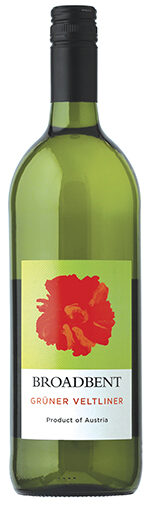
Wine of the week: Broadbent Gruner Veltliner 2021

Broadbent Grüner Veltliner bottle
Broadbent Grüner Veltliner 2021/$11-$18

Once more, the WC finds a gruner that doesn’t make him crazy — which is why wine is so wonderful

Regular readers know that the Wine Curmudgeon has little use for gruner veltliner, a white Austrian grape that has been hip and with it for so long that its original proponents are probably long retired from the wine business.

So what has happened over the past couple of years? The WC has found three gruners worth buying and drinking. Which, if anyone who reads this needs reminding, is one of the wonderful things about wine.

The Broadbent Gruner Veltliner 2021 ($15/1-liter, sample, 12.5%) comes from one of my favorite “value” producers, the same people who bring us the vinho verde that I drink so much of. In this, it’s made along the same lines — varietally correct, not stupid, and a fine value.

Look for a lime and green apple fruit thing, plus some stone fruit if you taste it closely. I didn’t get the white pepper that the wine geeks say is there, but I don’t think the wine is lacking because of that. In the end, it’s dry, pleasantly balanced, and with a long and almost spritzy finish. Just the thing for spring — salads, the first barbecues, and all the rest.

Highly recommended — and, if I could get over my gruner prejudice, a candidate for the 2024 Hall of Fame.

Imported by Broadbent Selections


Wine of the week: Castle Rock Cabernet Sauvignon Columbia Valley 2019

Castle Rock Cabernet Sauvignon Columbia Valley label
Castle Rock Cabernet Sauvignon Columbia Valley 2019/$8-$12

Yes, a U.S. cheap wine that tastes like it’s supposed to taste

Castle Rock makes lots and lots of $10 wine, of which the Washington state reds are usually among the best. They taste like Washington state reds, they aren’t sweet, and if they’re simple, they aren’t stupid.

Which is all we ask.

Castle Rock’s Columbia Valley Cabernet Sauvignon 2019 ($10, sample, 13.5%) is an excellent example of just that kind of wine. It’s widely available (more than two dozen listings on Wine Searcher), it’s not soft just because someone, somewhere, decided soft was the way to go, and it offers cabernet character.

Which, again, is all we ask. Who knew that was so much?

Look for black fruit (maybe even some plum?) that isn’t too ripe, too over the top, or piled on to cover up other deficiencies. Even more worthwhile: There isn’t too much oak, and what there is mostly tastes like oak and not flavored wood chips. And the tannins are noticeable – not too astringent, but professionally pushed to the back, as they should be in cabernet.

Just the kind of wine for takeout pizza or burgers, or to keep around when someone who likes red wine drops by the house.

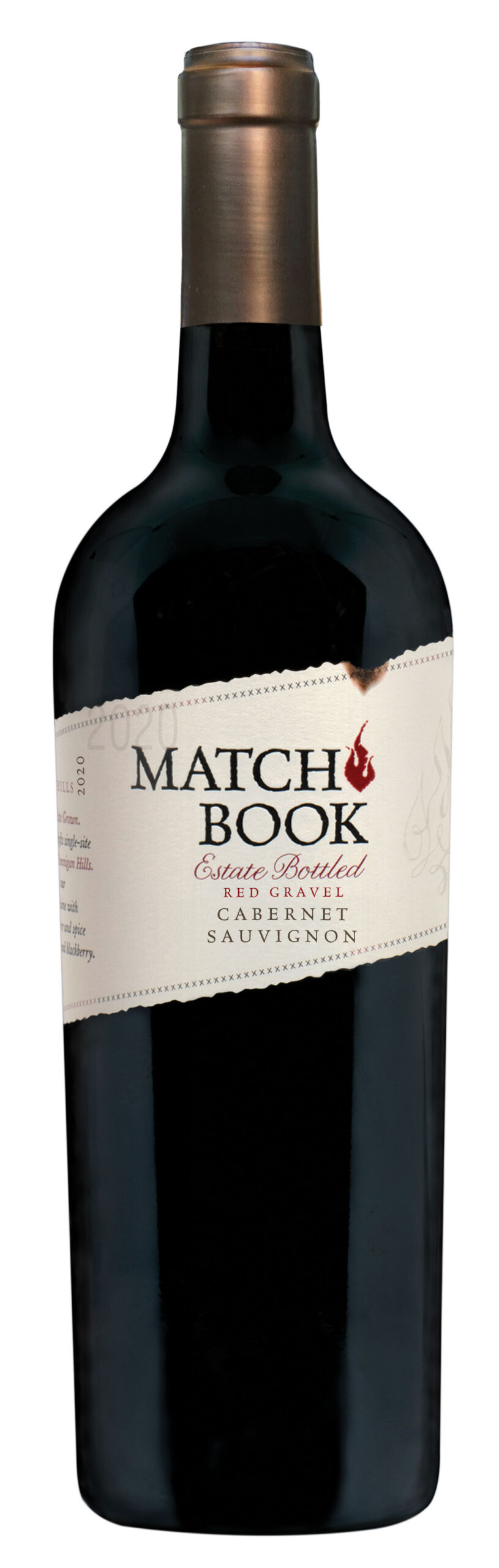
2023 Turner Cheap Wine of the Year: Matchbook Cabernet Sauvignon 2020

Matchbook Caberrnet saucignon bottle
Matchbook Cabernet Sauvignon 2020/$10-$18

California’s Matchbook Cabernet Sauvignon 2020 is the blog’s sixth annual Turner Cheap Wine of the Year

Cabernet sauvignon is supposed to be California’s glory, yet finding one that tastes like cabernet at an affordable price — or even almost affordable — is practically impossible. This wine, which used to be more than adequate, is now so sweet that I had to spit it out when I tasted it the other day. And the most popular California cabernet on Wine-Searcher costs $89.

So thank you, Matchbook. Thank you, thank you, and thank you, for showing that it’s still possible to make quality California cabernet that we can afford to buy. How well done is this wine? The Cajun Oenophile, who dislikes fakey California red wine even more than I do (and also misses the Big Guy) agrees with this choice. That speaks volumes.

What makes the Matchbook ($12, purchased, 13.9%) so terrific? It’s an honest wine, with dark berry fruit that opens up and becomes less brambly, but doesn’t approach smooth. Plus, the tannins are actually part of the wine, the oak doesn’t get in the way, and there’s maybe even a bit of cedar — just like the $100 cabernets. And availability is quite good, too.

Check out the award’s shortlist here, which also explains why the award has been named in honor of the late Mack Turner, the Big Guy. Selection criteria are here; I considered wines that cost as much as $15 to take into account price creep and regional pricing differences.

More Turner Cheap Wine of the Year:
2022 Turner Cheap Wine of the Year: Scaia Rosato 2020
2021 Turner Cheap Wine of the Year: MAN Chenin Blanc 2019
2020 Turner Cheap Wine of the Year: Le Coeur de la Reine Gamay 2017

Expensive wine 163: Domus Aurea Cabernet Sauvignon 2019

Domus Aurea Cabernet Sauvignon label
Domus Aurea Cabernet Sauvignon 2019/$65-$90

This Chilean red speaks to tradition and Chile’s history of top-notch wine

Twice in my career, wine experts have told me that Chilean cabernet sauvignon could be the best in the world. It would combine the traditions of France with the technology of California to produce wine that outdid both.

This never really happened. Chalk it up to market trends, consolidation in Chile, or just the fickleness of the wine business. But the Peña family’s Domus Aurea Cabernet Sauvignon 2019 ($80, sample, 14.9%) shows what might have been possible.

This is a top-notch red wine, layered and subtle and complex. And though it’s certainly drinkable now, it’s nowhere near close to its potential; maybe a decade left of aging?

Since it’s more traditional in style, it leans more toward red Bordeaux than Napa cabernet. That means lots of green herbs, a bit of black pepper, and the tannins pushed back but still doing their job. Meanwhile, the acidity is in balance with the barely ripe black fruit, and the alcohol doesn’t get in the way. It’s a surprisingly nuanced wine given that the alcohol is almost 15 percent.

This is holiday prime rib wine, as well as a gift for someone who likes cabernet but understands that it doesn’t always have to rich and fruity. And though I’m not sure an $80 wine can be a value, its price compares favorably to similar labels from France and California.

Imported by Global Vineyard Importers