





Gallo’s high-end wine conundrum
 by Wine Curmudgeon Posted On

Why did a 100-million case winery buy two wineries that don’t make enough wine to matter to the bottom line?
E&J Gallo, the world’s biggest winery, sent more than a few tremors through the wine business last week when it bought high-end labels Rombauer and Massican.
These are distinctively non-Gallo brands; about the only thing they have in common with the Barefoots and Apothics that that generate Gallo’s vast profits is that they’re made in California. Rombauer, best known for its buttery chardonnay, makes $100 wines, while Massican is a boutique white producer.
In one respect, the acquisition makes perfect sense, given wine’s sales slump — and especially for labels costing $15 and less — as well as the industry’s hyper-drive to premiumization. In addition, as several wine people told me, Gallo gets expensive Napa land; access to Rombauer’s wholesalers and restaurant customers; and more leverage with retailers for the pricey wines it already owns, like J, the sparkling maker.
In another, though, it’s almost baffling. Gallo makes 100 million cases a year, while Rombauer does 350,000 and Massican maybe 10,000. That’s 360,000 cases annually, or about .36 of Gallo’s total (if my math is correct). Even allowing that the new brands are more expensive, the effect will be minuscule. How can the acquisitions make any difference to Gallo’s bottom line?
To answer that question, consider one of the great missteps in the history of one the most successful U.S. companies ever, McDonald’s. In 1998, McDonald’s bought Chipotle, Boston Market, and a regional pizza chain called Donato’s. The idea was to expand from fast-food burgers to something more expensive that would broaden McDonald’s appeal.
Sound familiar?
Everyone – including me, who did a lot of restaurant trade writing then – thought it was a masterstroke, and most of the stories in the trade and business media spoke to McDonald’s genius.
As I did more reporting on the story, I talked to a really smart stock analyst. He laughed when I asked him about all that brilliance. He said to me – and this has stuck with me since — “What possible difference could these three small chains make to a $12 billion company?”
And, sure enough, McDonald’s almost ruined Chipotle, discovered what a mess Boston Market was, and did ruin Donato’s. Eventually, it sold all three and has never done anything like that again.
This is not to say that Gallo will screw up Rombauer and Massican; its track record speaks otherwise. Rather, it’s to note that even smart companies do things that don’t turn out the way they were supposed to, even if they had all the best reasons for doing so.
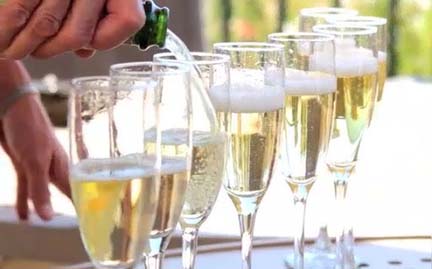
Photo: Matilda Wormwood via Pexels